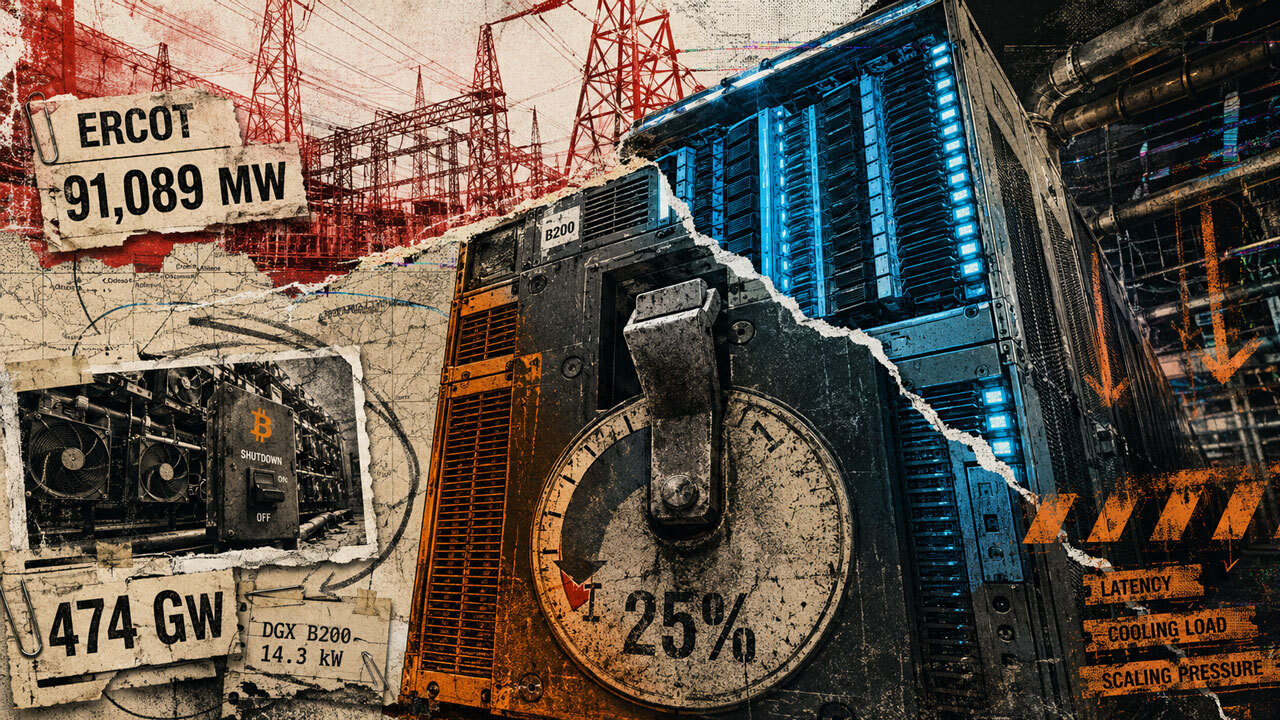
AI data centers are increasingly adopting "demand response" and grid flexibility techniques that Bitcoin miners have utilized for years to manage massive energy loads. By being able to throttle power usage during periods of peak grid stress, these facilities can secure lower electricity rates and improve their relationship with local utilities. This crossover represents a significant convergence between the high-performance computing (HPC) required for AI and the decentralized infrastructure built for cryptocurrency mining, as both sectors require immense power to run specialized chips and cooling systems.
The surge in AI demand has led to a desperate scramble for electricity. As companies like Microsoft and Google build out massive data centers to support large language models (LLMs), they encounter the same bottlenecks Bitcoin miners have faced for over a decade: grid capacity, heat dissipation, and the need for sustainable energy. Bitcoin miners pioneered the practice of co-locating near renewable energy sources and participating in grid stabilization programs—essentially acting as a flexible load that can shut down instantly to prevent blackouts when residential demand spikes.
For the crypto sector, this trend is a double-edged sword. On one hand, it validates the energy efficiency innovations of miners, potentially softening the political narrative that mining is purely wasteful. In the United States, this could lead to more favorable regulatory views on crypto infrastructure. On the other hand, it creates intense competition for the same energy-rich real estate. Major US-based miners like Riot Platforms and Core Scientific are now finding that their infrastructure expertise and power contracts are high-value commodities, with some already pivoting to offer "AI-ready" hosting services.
Readers should watch for new partnership announcements between big tech firms and public mining companies as the search for scalable power intensifies. As the US power grid faces record demand, the Federal Energy Regulatory Commission (FERC) will likely scrutinize how these large-scale users interact with local utilities. The development of hybrid facilities that can switch between Bitcoin mining and AI workloads depending on power prices and network difficulty could become the new standard for operational efficiency in the digital infrastructure space.