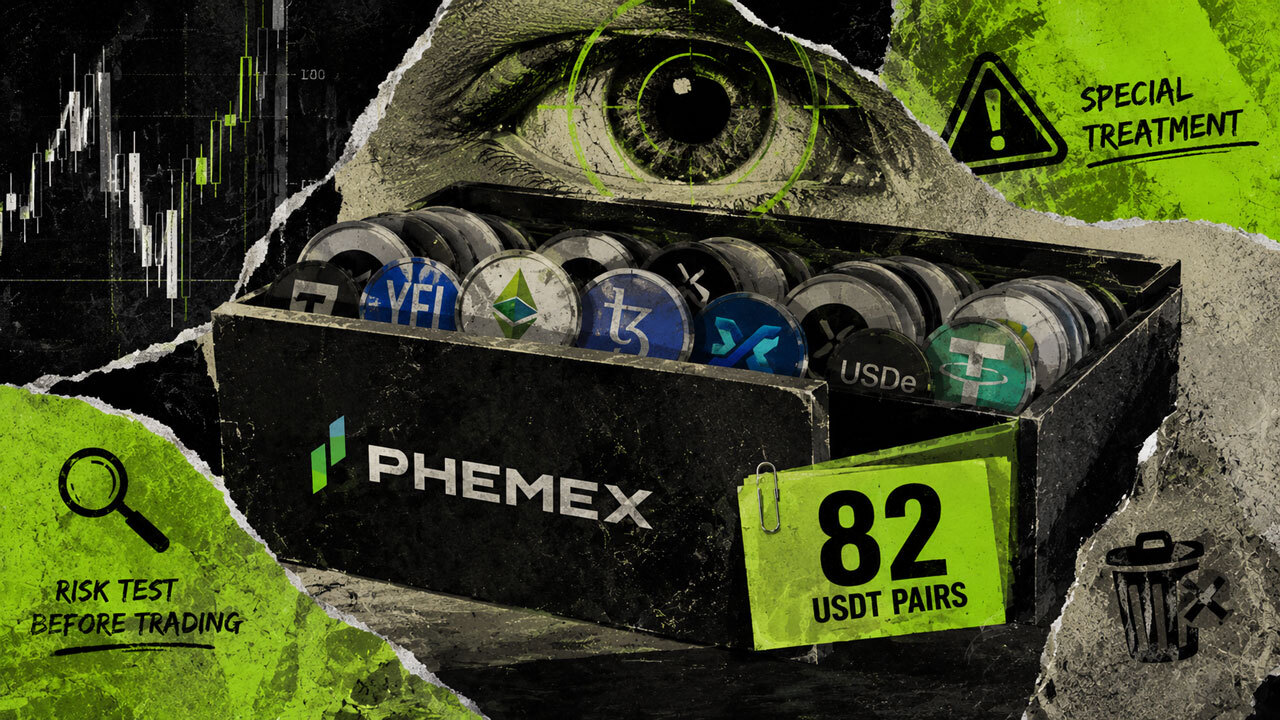
Phemex has issued a formal warning for 82 specific trading pairs, citing risks related to liquidity and project-level compliance. While the exchange has not publicly disclosed which specific criterion triggered the warning for each individual token, the move is part of a broader effort to maintain market integrity. For traders, this means these assets are now under a 'special observation' status, often the final step before a full delisting from the platform.
The decision highlights a growing sensitivity to market depth and regulatory standing. Low liquidity is a primary concern for exchanges because it leads to high slippage and price manipulation risks, which can negatively impact the user experience and platform reputation. By flagging these projects, Phemex is signaling that these tokens currently fail to provide a stable environment for institutional or retail trading activity.
From a regulatory perspective, this cleanup aligns with the increasing pressure on centralized exchanges to vet their listed assets more stringently. US-based observers note that exchanges are increasingly wary of hosting projects that lack transparency or active development, as these can be classified as high-risk by financial regulators. By proactively managing their listings, exchanges aim to reduce their exposure to potential legal challenges regarding the hosting of defunct or fraudulent digital assets.
Investors holding tokens on Phemex should monitor their accounts closely for a definitive delisting schedule. Typically, once a token is put on notice, its price experiences downward pressure as liquidity providers and retail holders exit their positions. Moving forward, the market should watch if other major exchanges follow suit, as mass delistings can often lead to a significant loss of market cap for smaller altcoin projects.