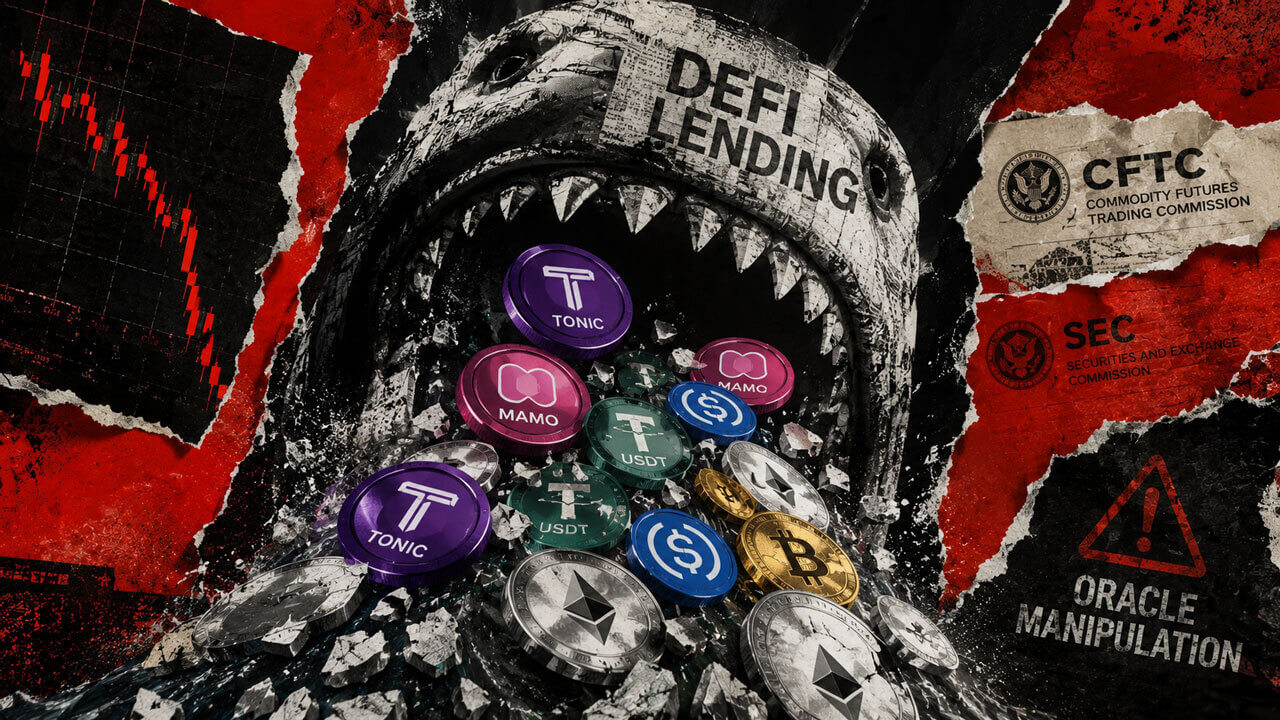
Tectonic and Moonwell were exploited for approximately $83 million through sophisticated price-manipulation strategies that targeted their decentralized lending markets. The largest loss occurred on Tectonic, a protocol operating on the Cronos blockchain, where security firm GoPlus estimates that $75 million was compromised. Just three days earlier, Moonwell’s MAMO market suffered a similar attack, where the exploiter manipulated asset prices to drain liquidity, highlighting a recurring vulnerability in how DeFi platforms calculate collateral value.
The mechanics of these attacks involve the artificial inflation of a specific token's price to allow the attacker to take out massive, under-collateralized loans. By manipulating the price feed (oracle) that the protocol relies on, the attacker can make a low-value asset appear highly valuable, borrow stablecoins or other liquid assets against it, and then abandon the worthless collateral. This strategy leaves the protocol with significant bad debt and creates a liquidity crisis for legitimate depositors.
These incidents are a direct realization of risks previously flagged by US financial regulators. Agencies like the CFTC and the SEC have frequently warned that decentralized lending platforms are susceptible to oracle manipulation, especially when they utilize illiquid assets as collateral. The fact that these attacks occurred within a four-day window suggests that malicious actors are actively scanning for protocols with similar architectural flaws that regulators have already identified as systemic threats.
For the broader DeFi market, these losses underscore the urgent need for more robust oracle solutions and stricter listings for collateral assets. Investors should be wary of lending protocols that support high-volatility, low-liquidity tokens, as these are the primary targets for price-manipulation exploits. In the coming weeks, market participants should watch for security audits and potential governance votes on Tectonic and Moonwell as they attempt to recover funds or patch their systems to prevent further contagion.
From a regulatory standpoint, this $83 million loss is likely to fuel the argument for mandatory security standards and increased oversight of DeFi protocols operating within or serving US users. As regulators continue to monitor the space, the inability of these platforms to defend against well-known attack vectors may lead to more aggressive enforcement actions aimed at protecting retail participants from protocol insolvency.