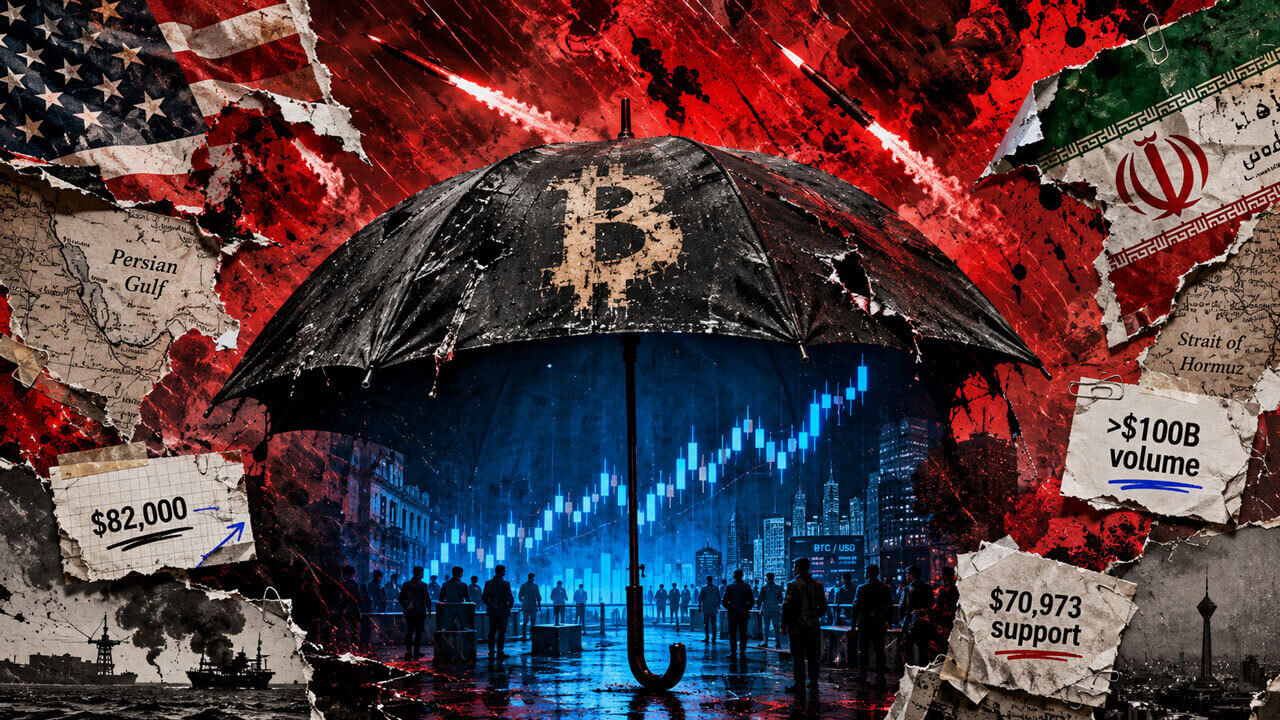
Bitcoin is currently pacing toward its best August performance since 2017, maintaining a price point near $78,400 despite a series of significant macroeconomic challenges. This surge indicates a robust digital-asset rebound that has managed to withstand pressures that typically suppress high-risk assets. The asset's ability to maintain upward momentum in the face of global instability suggests a maturing market and a potential shift in how investors view Bitcoin's role during times of traditional market uncertainty.
The primary driver of market concern has been the renewed hostilities between the United States and Iran. Geopolitical conflicts of this scale often trigger a 'risk-off' environment where investors flee to cash or gold; however, Bitcoin has stayed the course. By ignoring these traditional pressure points, the largest cryptocurrency is reinforcing the narrative that it can serve as a non-correlated asset or a form of 'digital gold' during times of international friction.
In addition to geopolitical strife, the Federal Reserve has adopted a hawkish pivot, signaling that interest rates may remain higher for longer to combat persistent economic factors. Usually, a hawkish Fed strengthens the US Dollar and puts downward pressure on Bitcoin. The fact that BTC is logging record-breaking August gains despite this monetary tightening suggests that underlying demand remains high and that the market may have already priced in the Fed’s aggressive stance.
Moving forward, US-focused investors should closely monitor the durability of this price floor near the $78,000 range. If Bitcoin can close out the month of August at these levels, it will confirm a technical breakout that hasn't been seen in nearly a decade for this specific calendar month. Key indicators to watch include further developments in the Middle East and official statements from the Federal Open Market Committee (FOMC), which will determine if this decoupling from macro shocks is a permanent trend or a temporary anomaly.