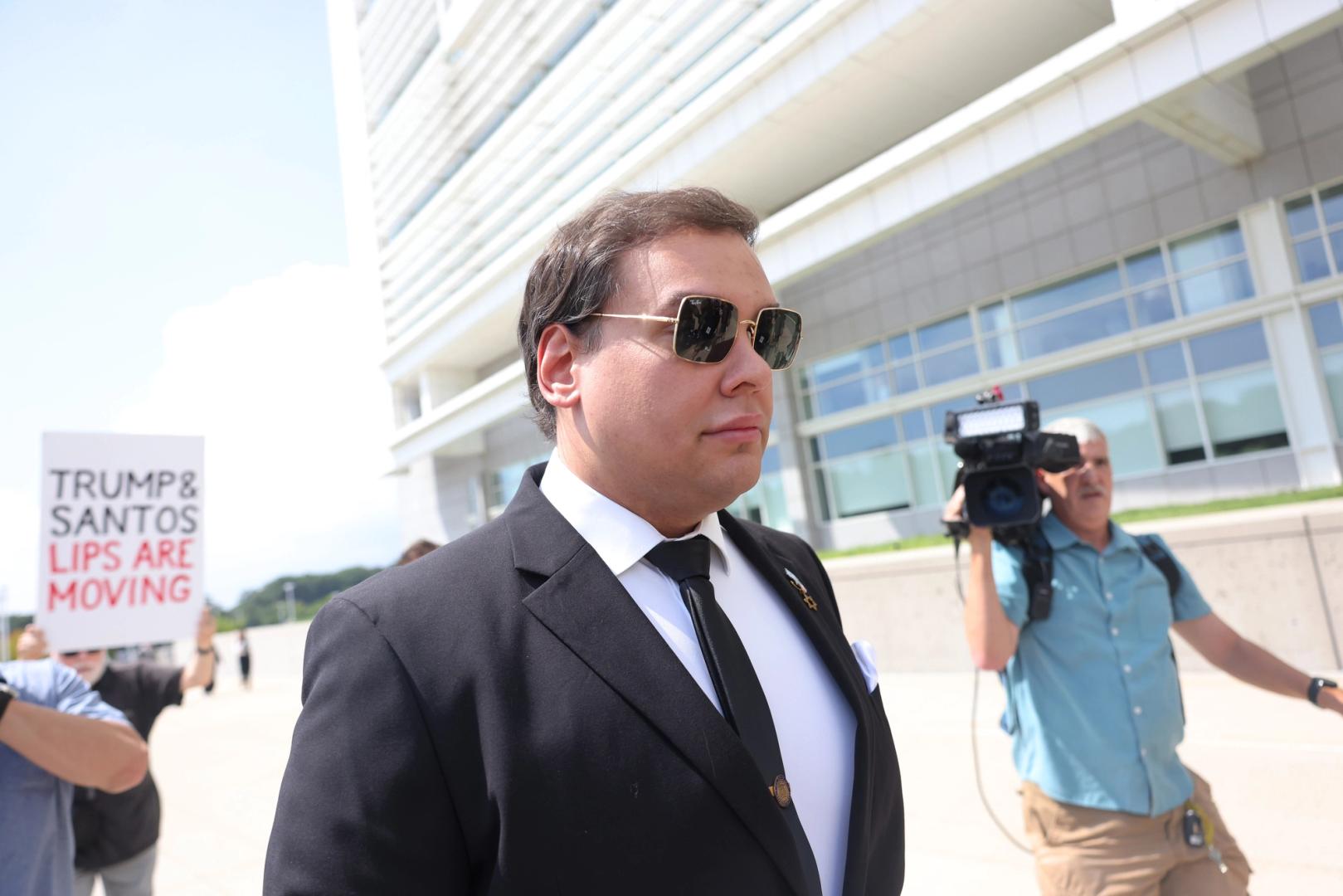
Kalshi, a leading U.S.-regulated prediction market, has banned former Representative George Santos for life following allegations of market manipulation. The platform took this unprecedented step to protect market integrity, signaling to both users and federal oversight bodies that it will not tolerate attempts to distort trading outcomes. By removing a high-profile figure known for past legal and ethical controversies, Kalshi is asserting its role as a disciplined financial exchange rather than a speculative free-for-all.
The ban comes at a pivotal moment for event-based trading platforms. Santos, who was expelled from Congress in 2023, was reportedly attempting to influence market movements in a way that breached Kalshi's terms of service. While the specific trades were not fully detailed, the move serves as a high-stakes example of Kalshi’s commitment to its rulebook. This proactive enforcement is particularly important as the platform seeks to differentiate itself from offshore, unregulated competitors by offering a transparent and fair environment for U.S. participants.
From a regulatory standpoint, this incident is a direct response to the Commodity Futures Trading Commission's (CFTC) ongoing concerns regarding prediction markets. Kalshi recently won a landmark legal battle against the CFTC to list election-related contracts, but that victory came with the heavy responsibility of ensuring those markets remain free from fraud. By banning Santos, Kalshi is providing a tangible case study to Washington lawmakers that the industry is capable of identifying and eliminating bad actors without further restrictive legislation.
For the broader crypto and DeFi community, Kalshi's actions highlight the growing intersection between political events and financial markets. As decentralized platforms like Polymarket gain massive volume, the ability of regulated entities like Kalshi to maintain order will set the standard for how 'truth-based' markets are governed. The ban suggests that as these markets become more mainstream, the vetting of participants and the monitoring of trade patterns will become as rigorous as those found on traditional stock exchanges.
Looking ahead, market participants should watch for how other prediction platforms respond to similar manipulation attempts during the 2024 election cycle. The success of Kalshi’s self-regulation strategy will likely influence the CFTC’s future stance on event contracts and could determine the long-term legality of political betting in the United States. Investors should expect increased surveillance and stricter enforcement of user agreements across all major prediction platforms in the coming months.