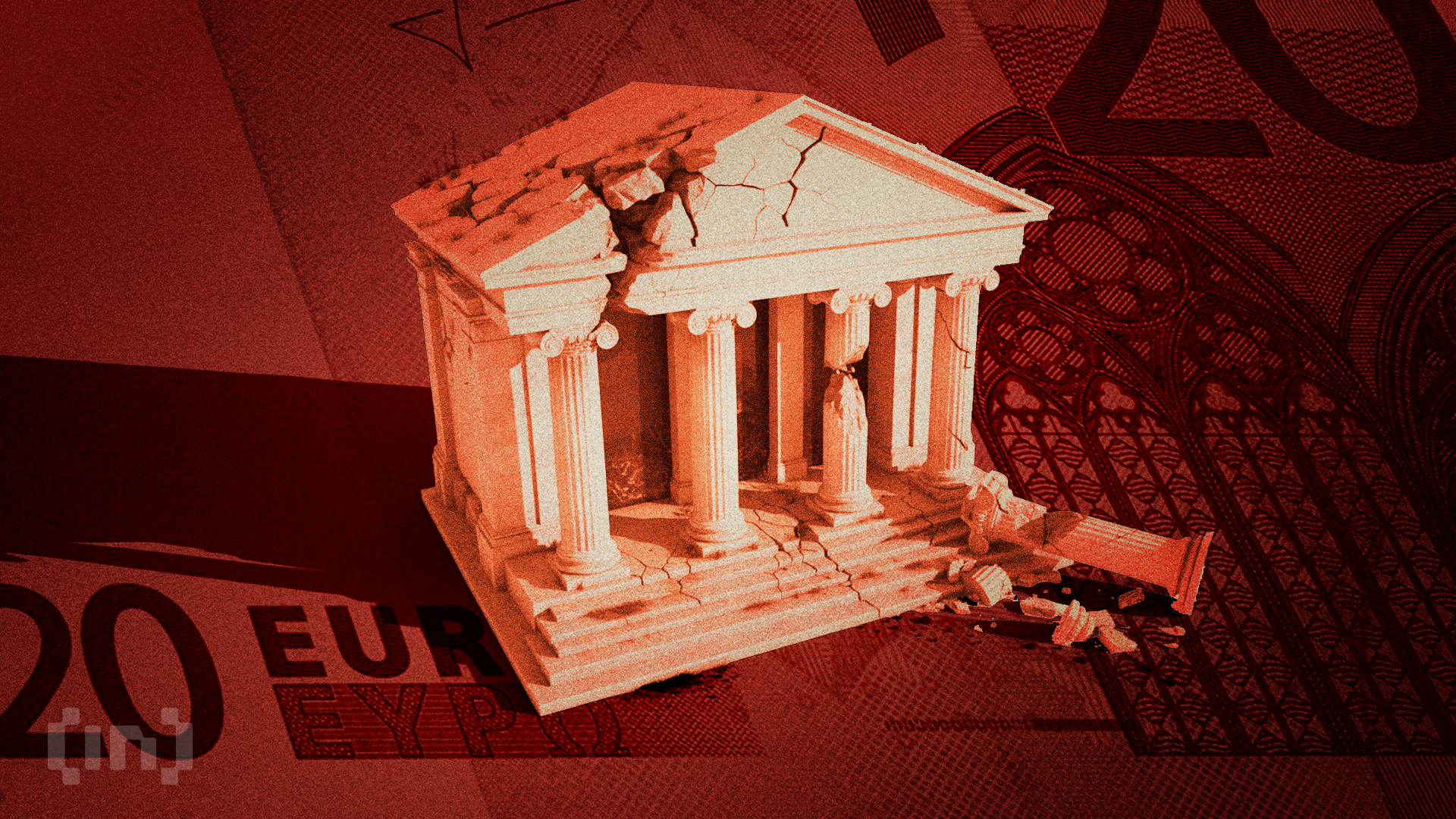
The ECB does not intend to outlaw stablecoins, but it is moving to ensure they do not become the primary settlement assets for the European digital economy. According to ECB Executive Board member Isabel Schnabel, the central bank should issue its own reserves on-chain to provide a 'settlement anchor' for the financial system. This approach would allow commercial banks to settle transactions using risk-free central bank money on distributed ledger technology (DLT), potentially limiting the market share of private stablecoin issuers who currently fill that void.
This development comes as Europe implements the Markets in Crypto-Assets (MiCA) regulation, which already subjects stablecoin issuers to rigorous oversight. By introducing on-chain reserves, the ECB is essentially creating a public-sector competitor to private tokens like EURC or EURT for institutional use. Schnabel argues that while private stablecoins can facilitate specific niche transactions, they lack the systemic stability and state-backed guarantee that only a central bank can provide during periods of market stress.
For US-based investors and global crypto firms, this signal from the ECB suggests a more controlled and state-led transition to digital finance in Europe compared to the more market-driven approach in the United States. If the ECB successfully integrates the Euro into blockchain environments, it could reduce the demand for private Euro-pegged stablecoins in institutional DeFi applications, as banks would likely prefer the safety of central bank liquidity over private alternatives.
Moving forward, market participants should watch for the results of the ECB’s ongoing wholesale DLT settlement trials. The success of these pilots will determine whether the 'on-chain Euro' becomes the standard for high-value financial transactions. While retail-focused stablecoins may survive for everyday crypto trading, their role as a foundational infrastructure for the broader European economy is clearly being challenged by the central bank's digital ambitions.