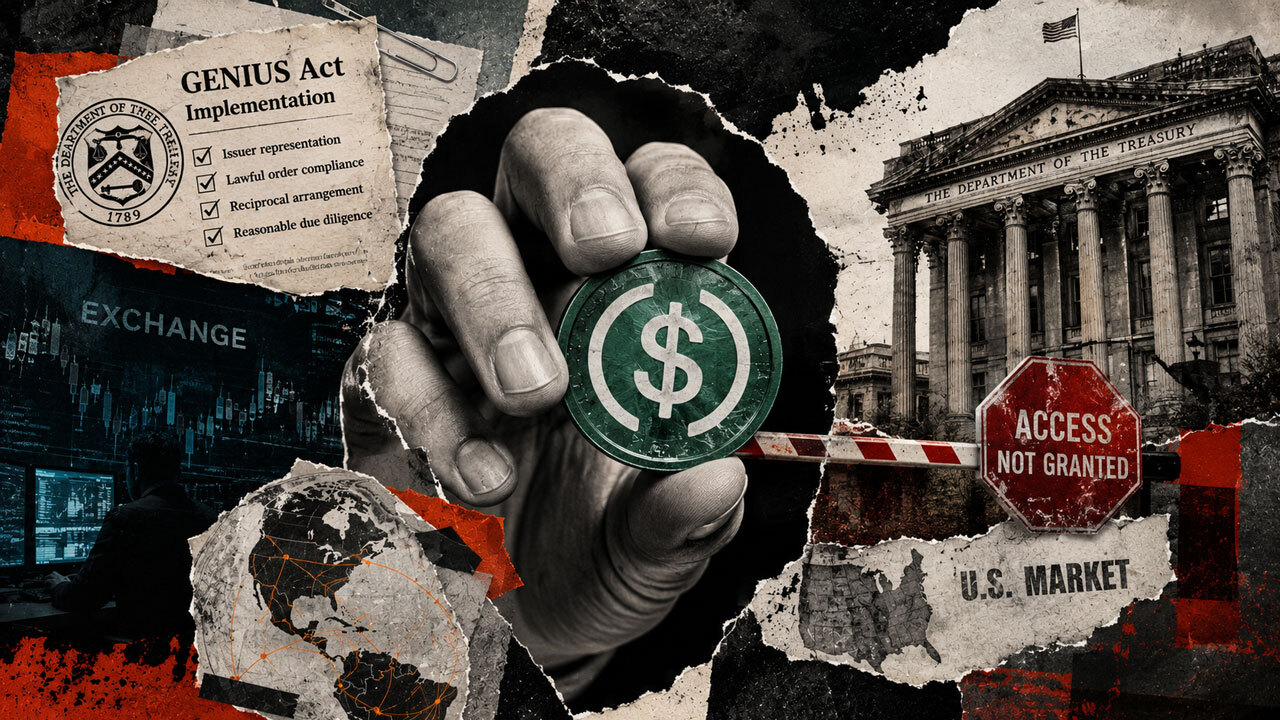
US-based cryptocurrency exchanges face a potential mandate to delist foreign stablecoins if they cannot perform "reasonable diligence" on the offshore entities issuing them. A new proposal from the US Treasury seeks to tighten oversight of the stablecoin market by requiring domestic platforms to verify the reserves and regulatory standing of any foreign-issued digital asset they host. If an exchange cannot satisfy these diligence requirements, they would be legally obligated to delist the asset to remain in compliance with US financial regulations.
The proposed change targets the perceived lack of transparency among stablecoin issuers operating outside of US jurisdiction. By forcing exchanges to act as gatekeepers, the Treasury aims to mitigate risks related to money laundering and financial stability that offshore tokens might pose to the US financial system. The public and industry stakeholders have until October 19 to submit comments on the proposed standard, which could reshape the available liquidity for US retail and institutional traders.
This regulatory push is part of a broader trend of US authorities attempting to bring the global stablecoin market under a standardized regulatory umbrella. If finalized, major offshore stablecoins that currently lack US-style transparency or refuse to submit to exchange-led audits could be purged from major platforms like Coinbase, Kraken, and Gemini. This would force US investors to pivot toward domestically regulated alternatives, potentially fragmenting the global stablecoin market.
Market participants should closely watch the outcome of the comment period ending October 19 and the subsequent final ruling by the Treasury. The immediate concern for the industry is whether large offshore issuers will cooperate with US exchanges' requests for data or if they will simply forfeit the US market. Investors should monitor the listing status of major offshore assets, as a wave of delistings could cause temporary volatility and liquidity crunches across US-based trading pairs.