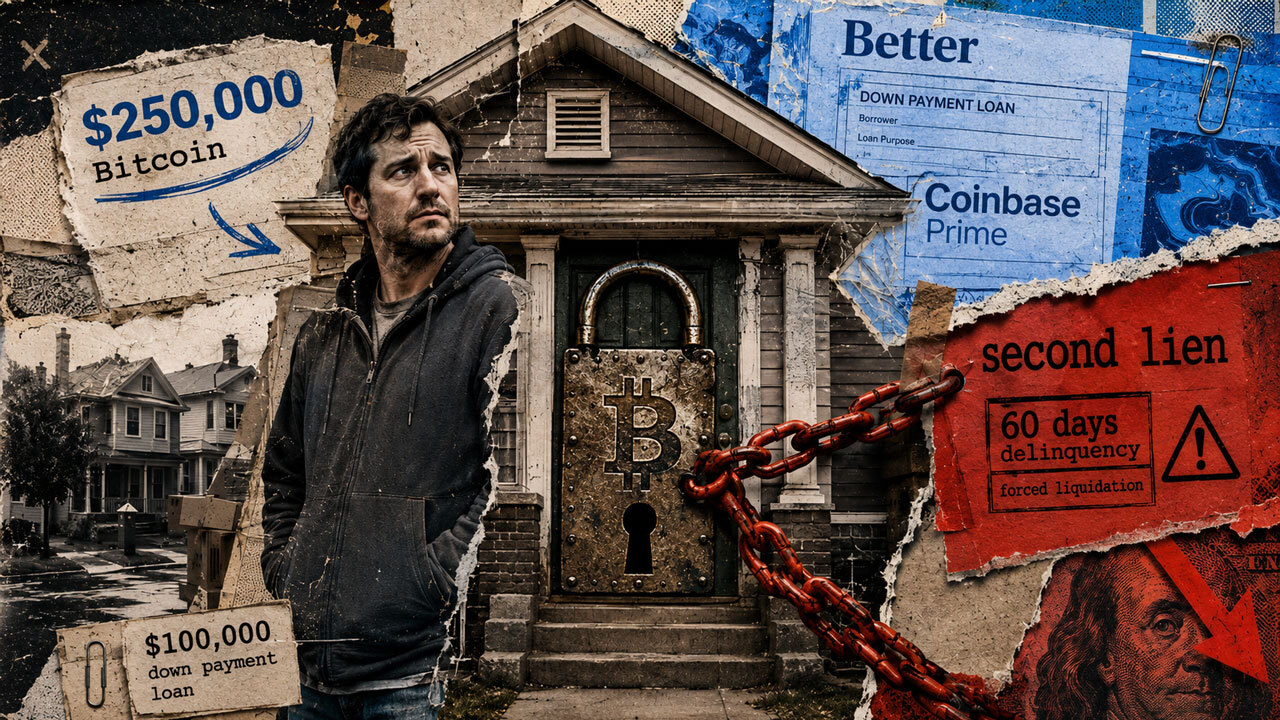
Borrowers can now leverage up to $250,000 of their Bitcoin holdings for real estate down payments through specialized lending structures that prioritize payment history over price volatility. Unlike traditional crypto-backed loans that require immediate liquidation if the asset price drops, these new products guarantee that market fluctuations will not trigger a margin call. This allows US homebuyers to maintain their long-term Bitcoin positions while accessing the liquidity necessary to enter the housing market.
The removal of margin calls represents a significant shift in how crypto-collateralized loans operate in the United States. By decoupling the loan’s health from Bitcoin’s daily price action, lenders are catering to 'HODLers' who were previously deterred by the risk of losing their assets during a flash crash. However, the trade-off for this stability is a strict delinquency policy; if a borrower falls 60 days behind on their mortgage payments, the lender retains the right to sell the pledged Bitcoin to recover costs.
This development bridges a major gap between decentralized finance (DeFi) and traditional finance (TradFi) within the US regulatory landscape. As Bitcoin becomes more integrated into the mortgage industry, it gains legitimacy as a Tier-1 collateral asset, similar to gold or government bonds. For the crypto market, this transition could lead to decreased sell pressure, as investors no longer need to cash out their BTC to fund major life purchases like real estate.
Investors and potential homebuyers should watch for how other US lenders respond to this model and whether federal regulators like the CFPB issue specific guidelines for crypto-backed mortgages. As these products scale, the primary risk for users shifts from market volatility to personal cash flow management. Maintaining a secondary emergency fund will be crucial for borrowers to ensure they do not hit the 60-day delinquency mark and lose their digital assets.