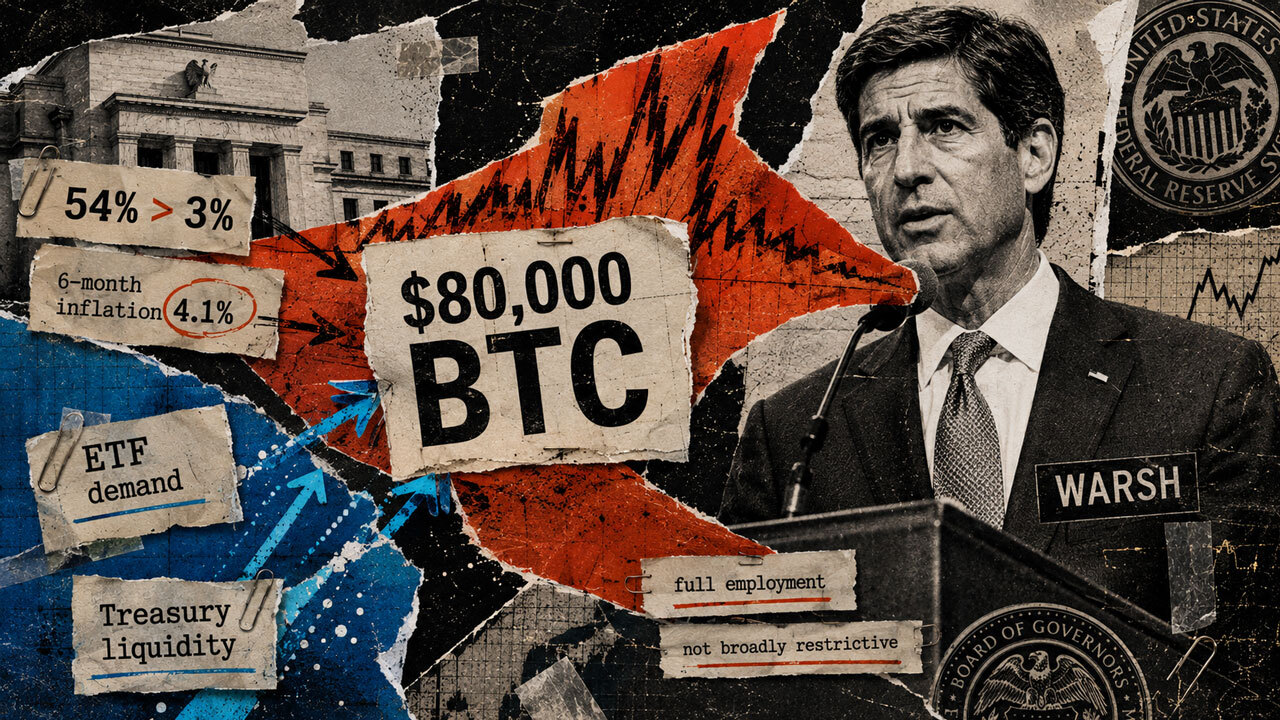
Bitcoin's price stability is currently caught between the mounting pressure of "sticky" inflation and the support of institutional inflows. Kevin Warsh, a former Federal Reserve governor, has recently highlighted that core inflation metrics remain more persistent than previously projected, creating a new macro test for the leading cryptocurrency. While Bitcoin is often touted as a hedge against inflation, persistent high rates can dampen the risk-on sentiment necessary for sustained price surges.
Despite these inflationary headwinds, the crypto market is benefiting from structural supports that were absent in previous cycles. US-listed Spot Bitcoin ETFs continue to see significant net inflows, while larger-than-expected Treasury buybacks are helping to maintain liquidity in the broader financial system. These mechanisms act as a shock absorber, preventing the kind of extreme volatility typically seen when the Federal Reserve signals a "higher-for-longer" interest rate environment.
The context of Warsh’s comments is particularly relevant for US investors as the market anticipates the Federal Reserve's next move. If inflation remains sticky, the Fed may be forced to delay rate cuts, which traditionally limits the upside for non-yielding assets like Bitcoin. The current environment suggests that while institutional demand provides a solid floor, Bitcoin’s ability to act as a primary macro hedge is being challenged by a resilient US dollar and high Treasury yields.
Moving forward, market participants should closely monitor upcoming Consumer Price Index (CPI) data releases and Federal Open Market Committee (FOMC) statements. The central question for the final quarter of the year is whether ETF demand can continue to outpace the selling pressure generated by macro-economic uncertainty. If disinflation does not materialize as expected, Bitcoin may enter a period of prolonged consolidation despite the institutional "cushion."
Ultimately, Bitcoin remains sensitive to the broader liquidity cycle. While Treasury buybacks inject much-needed cash into the markets, they do not serve as a permanent substitute for a cooling economy. Investors should watch the 10-year Treasury yield as a lead indicator for Bitcoin’s next major move; a spike in yields could signal that the "macro test" is becoming too heavy for even the strongest ETF inflows to carry.