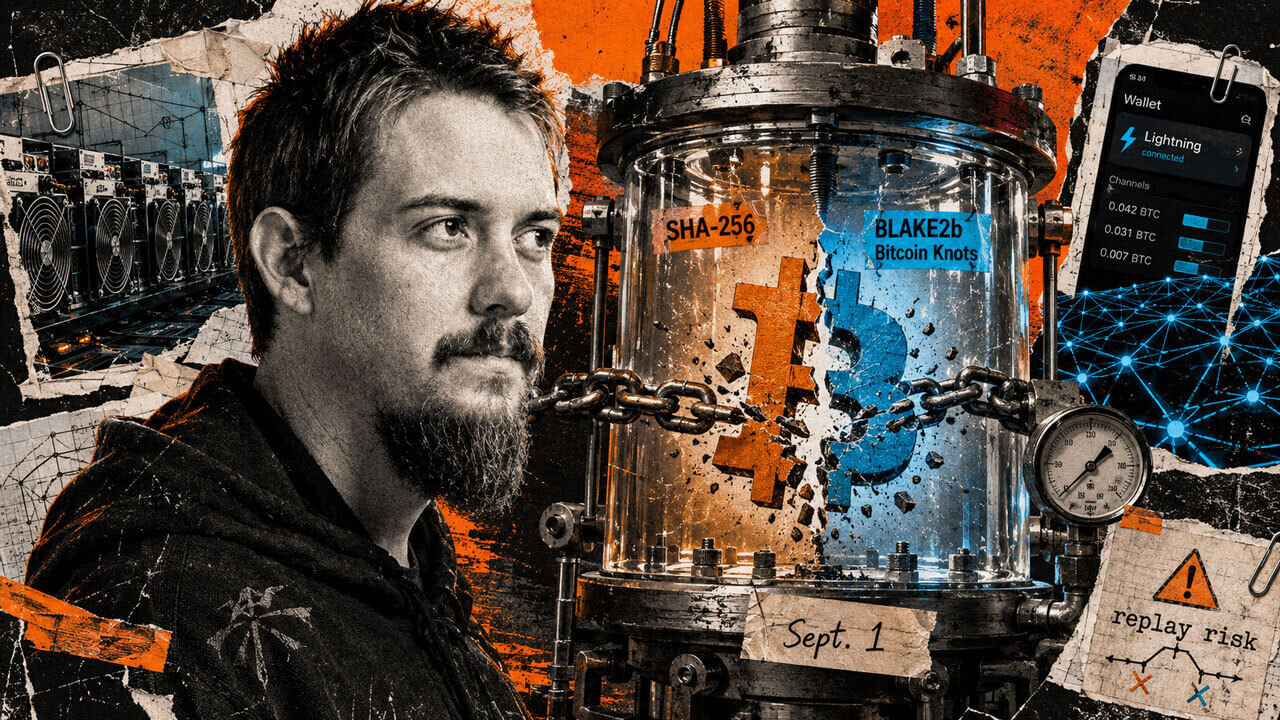
Luke Dashjr is attempting to launch a new version of the Bitcoin Knots fork to implement specific software policies that differ from Bitcoin Core, specifically targeting the filtering of transactions he deems as spam, such as Ordinals. This follows a high-profile failure of a previous Knots chain that ceased functioning after mining just two blocks. The current proposal remains controversial within the developer community because it lacks settled activation parameters, disclosed day-one hash power support, and universal replay protection.
The technical hurdles cited in recent reports suggest that this fork is currently ill-equipped to serve as a stable alternative to the main Bitcoin network. Replay protection is a critical security feature that prevents a transaction on one chain from being validly broadcast on the other; without it, users risk accidentally spending or losing funds on both chains simultaneously. Furthermore, the absence of named service policies and disclosed hashing power makes it difficult for institutional miners and US-based exchanges to assess the viability or safety of the new chain.
For US investors and Bitcoin holders, these developments highlight the ongoing internal philosophical conflicts within the Bitcoin developer community regarding the protocol's future. While Bitcoin Core remains the dominant implementation, contentious forks like Knots often emerge when developers disagree on how the protocol should handle non-financial data. However, without broad industry support or fundamental security protocols, such forks rarely gain the market traction necessary to challenge the primary Bitcoin blockchain.
Moving forward, market participants should watch for any announcements from major mining pools or custodial services regarding support for this specific Knots implementation. Until universal replay protection is integrated, the technical risk for the average user remains high. The failure of the previous chain serves as a cautionary tale for those considering participating in experimental forks that lack broad consensus and technical robustness.