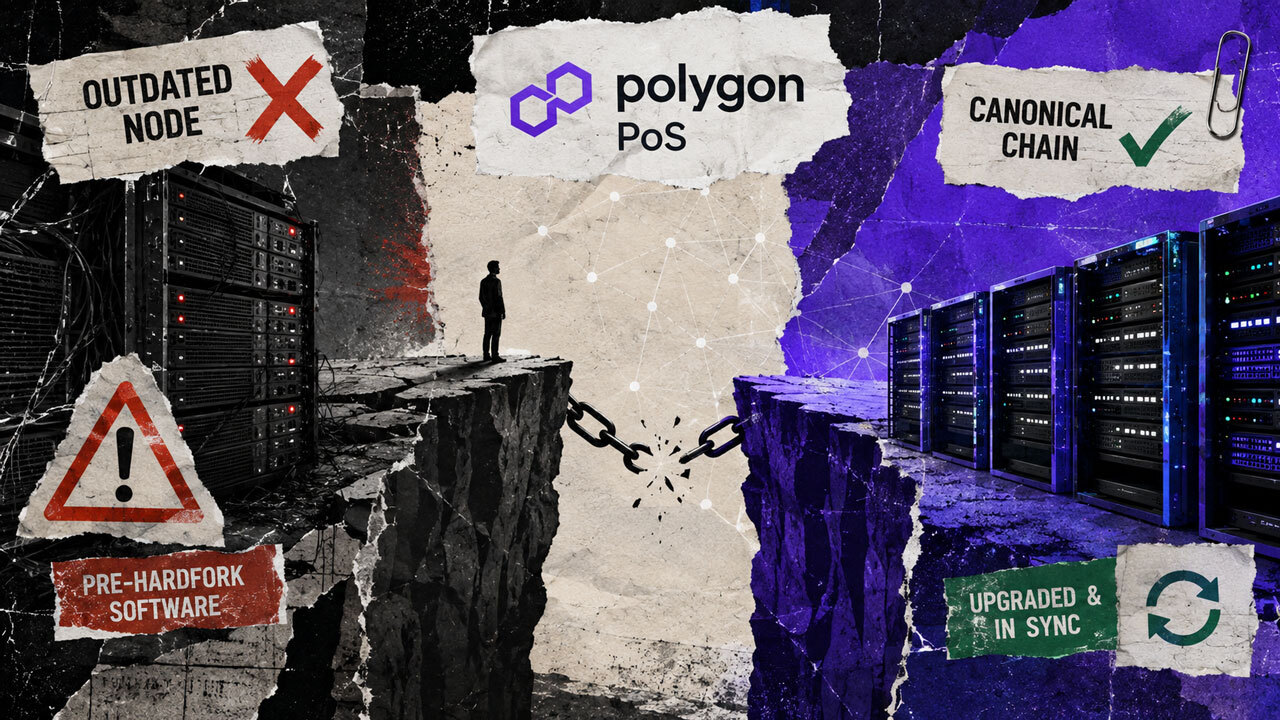
Polygon Labs is requiring an urgent upgrade for all node operators because those running older binaries are now outside the network's canonical consensus following the successful Austin and Kyoto hardforks. If a validator or full node fails to update to the latest software version, it will effectively stop tracking the main chain, leading to synchronization failures and a loss of network participation. This notice is particularly critical for US-based infrastructure providers and institutional stakers who require 100% uptime to avoid potential performance penalties.
The Austin and Kyoto upgrades were specifically designed to address three major technical risks: block-stalls, peer-crashes, and validator-work errors. Block-stalls occur when the blockchain stops producing new blocks, while peer-crashes can lead to network fragmentation where nodes cannot communicate with one another. By resolving these issues, Polygon Labs aims to harden the network against the kind of outages that have historically plagued high-throughput blockchains, ensuring a more reliable environment for decentralized applications (dApps).
From a market perspective, this maintenance is a vital part of Polygon's broader transition toward its 2.0 architecture and the migration from MATIC to the new POL token. Maintaining network 'liveness' is a key metric for institutional confidence in the United States, where regulators and enterprise partners look for consistent uptime and robust technical governance. A failure to manage these hardforks correctly could lead to fragmented liquidity or decreased trust in the ecosystem's scalability claims.
Moving forward, investors and developers should monitor validator participation rates to ensure the majority of the network has successfully migrated to the new binaries. While the hardforks are complete, the period immediately following such upgrades is critical for observing how the network handles high transaction volumes under the new consensus rules. Node operators should immediately consult the official Polygon GitHub and community forums to verify they are running the latest compliant version to avoid being dropped from the active validator set.