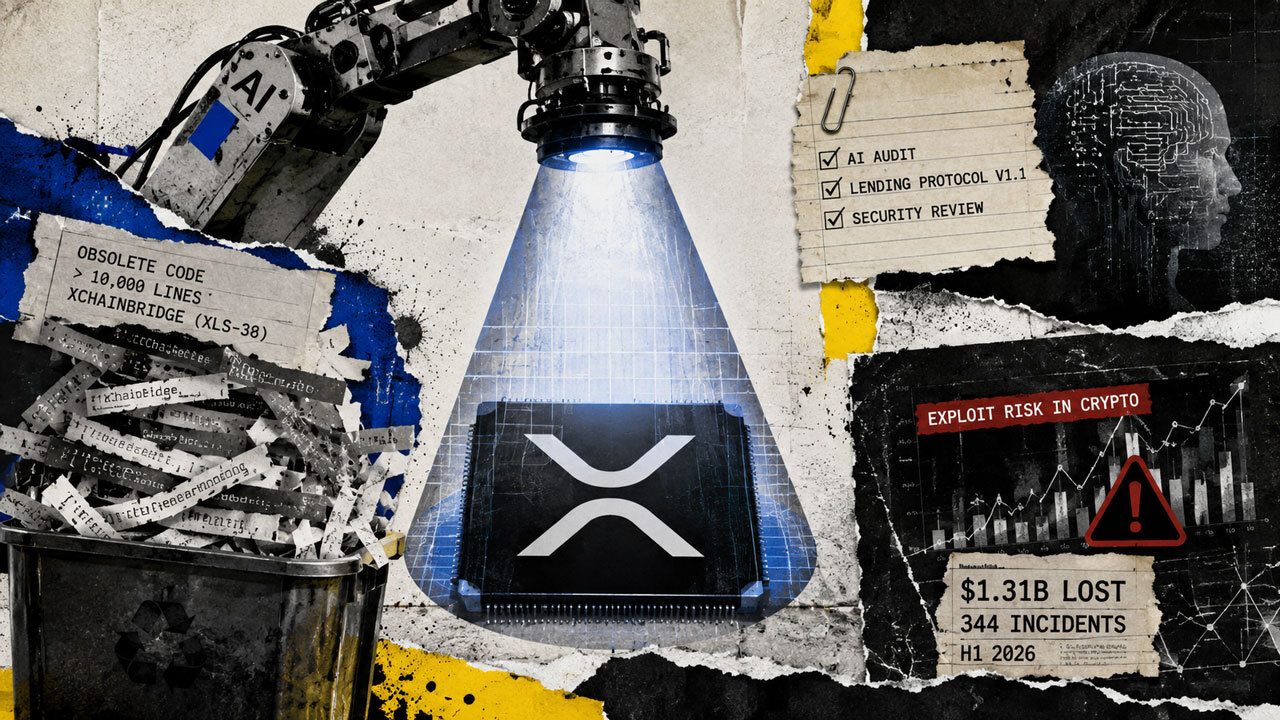
Ripple is securing the XRP Ledger (XRPL) by streamlining its codebase and implementing cutting-edge AI security audits to prepare for a major expansion into native lending. Specifically, the company has recommended the removal of more than 10,000 lines of redundant XChainBridge code, a move intended to shrink the "attack surface" available to malicious actors. Simultaneously, Ripple is putting its Lending Protocol V1.1 through a rigorous security review using Sherlock’s Audit Engine, a platform that utilizes artificial intelligence to detect vulnerabilities that manual reviews might miss.
The decision to prune the codebase reflects a strategic shift toward optimizing the XRPL for high-stakes financial applications. By eliminating unused bridge code, Ripple reduces technical debt and minimizes the complexity that often leads to exploits in decentralized finance (DeFi) environments. This focus on a "lean" infrastructure is essential as the XRPL evolves from a payment-focused network into a comprehensive ecosystem capable of supporting complex financial products like peer-to-peer lending.
In the current US regulatory climate, security and transparency are paramount for institutional adoption. As Ripple continues its legal and operational navigation within the United States, proving the resilience of its DeFi tools is critical to gaining trust from traditional financial entities. The use of Sherlock’s AI-only audit signals a trend toward automated, continuous security verification, which could become a benchmark for other blockchain protocols seeking to launch in highly scrutinized markets.
Market participants should watch for the results of the Sherlock AI audit and the subsequent mainnet deployment of the lending protocol. A successful, exploit-free launch would significantly increase the utility of XRP, potentially driving higher on-chain activity and liquidity. Conversely, any vulnerabilities discovered during this audit phase could delay Ripple’s DeFi roadmap, making the coming weeks a critical period for the network’s technical evolution.