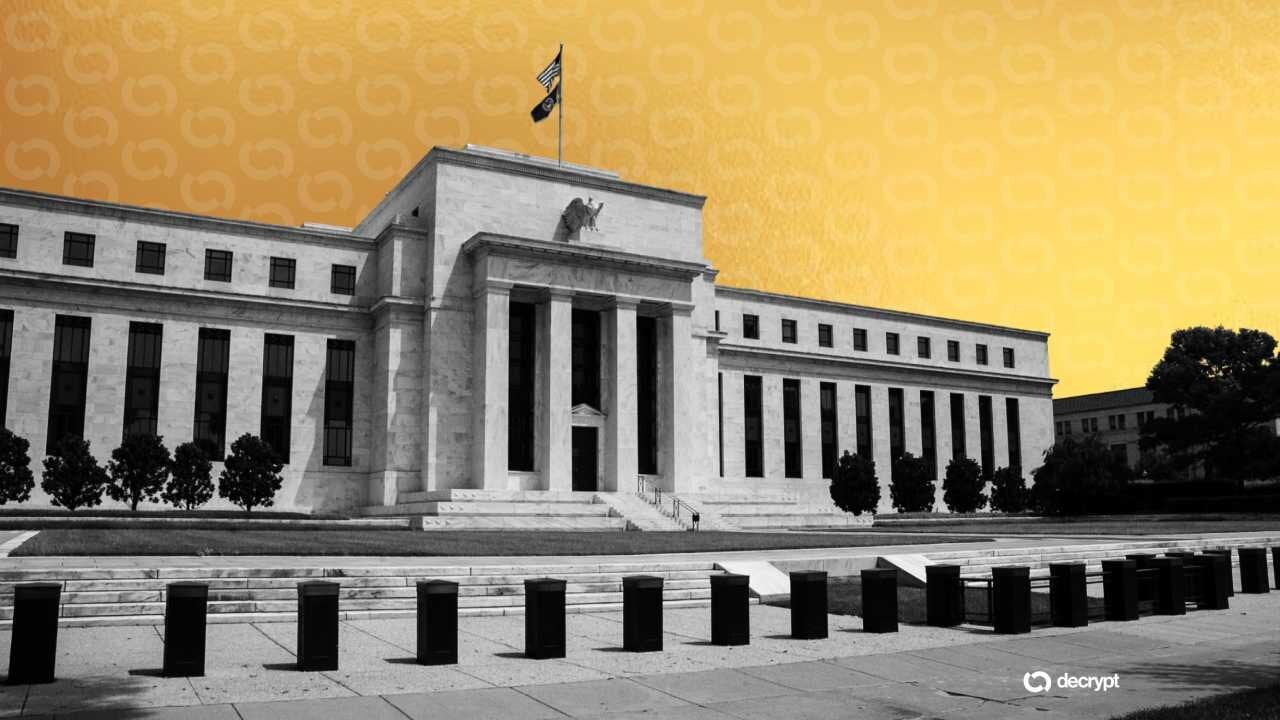
Fed Chair Warsh’s first keynote at the Jackson Hole Economic Symposium failed to provide the interest rate hints that Bitcoin traders were anticipating for the upcoming September meeting. Instead of signaling a much-hoped-for pivot, Warsh doubled down on a policy of silence regarding future cuts, emphasizing that the Federal Reserve remains data-dependent while inflation continues to run hot. For the crypto market, this lack of guidance means that the immediate path for liquidity-driven price growth remains obscured, forcing investors to wait for more concrete economic data.
The Jackson Hole gathering is historically a venue where central bankers signal major shifts in monetary policy. However, Warsh’s debut was characterized by a refusal to commit to a specific trajectory, despite the market's sensitivity to high borrowing costs. By maintaining this stance, the Fed is signaling that it is not yet convinced that inflation is sufficiently tamed to warrant a reduction in rates, a move that typically serves as a bullish catalyst for risk assets like Bitcoin.
From a market perspective, this absence of news is being treated as a consolidation signal. Bitcoin has shown high correlation with macro-economic indicators throughout the year, and the lack of a dovish steer from Warsh likely caps short-term upside potential. The broader crypto market now faces a period of heightened sensitivity to upcoming Consumer Price Index (CPI) and employment reports, as these will be the only remaining indicators before the Fed's next formal decision in September.
Investors should closely monitor the upcoming Labor Department data and further speeches from regional Fed presidents for any deviation from Warsh’s cautious tone. As long as the Fed refuses to signal a rate ceiling, Bitcoin may continue to trade within a sideways range. The focus now shifts to the September 17-18 FOMC meeting, where the central bank will finally be forced to show its hand, potentially triggering a significant volatility event for the entire digital asset space.