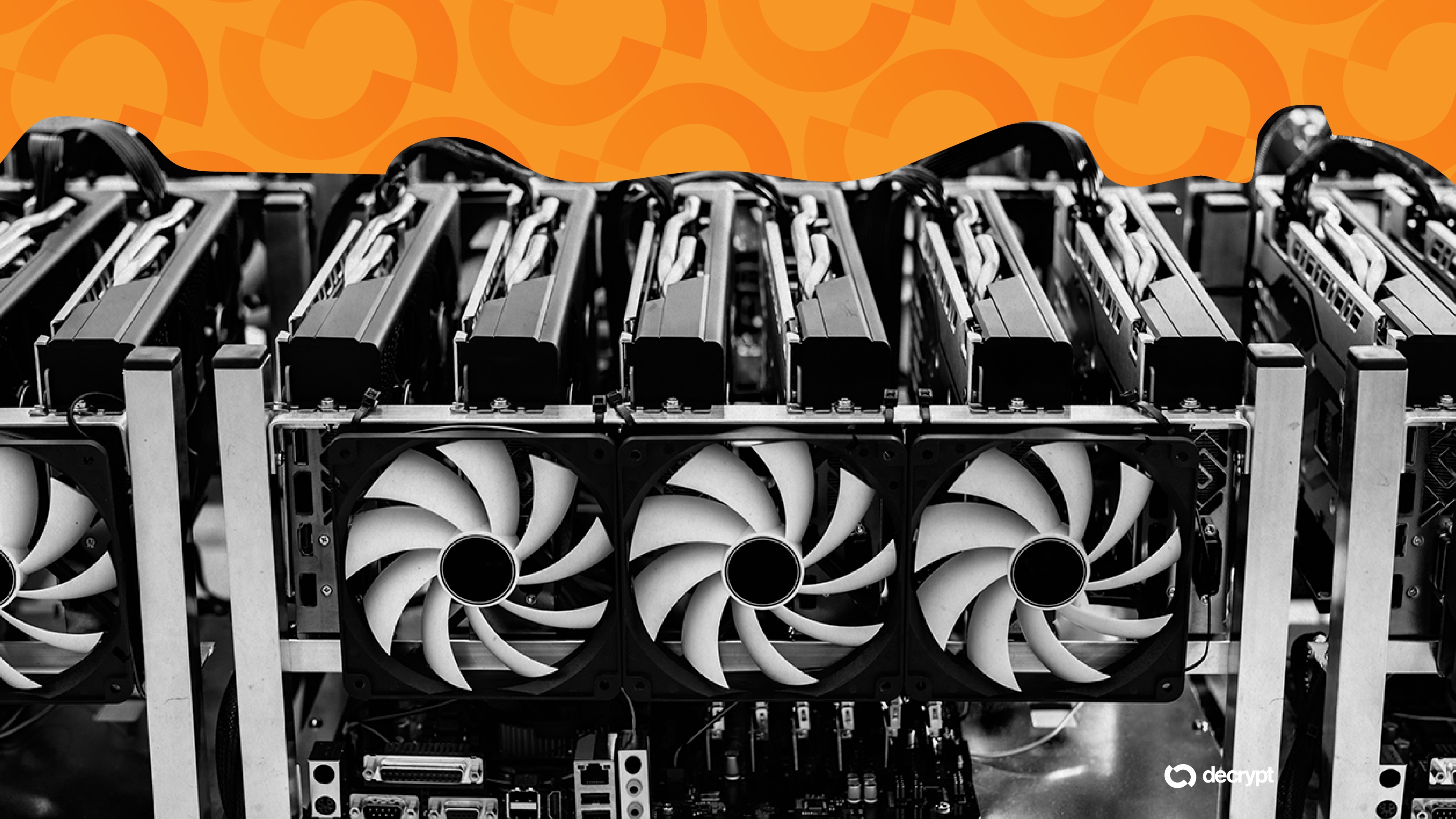
IREN (formerly Iris Energy) experienced a notable decline in its stock price following reports that the costs associated with its aggressive pivot toward AI cloud services are mounting. Although the company achieved a significant milestone where AI-generated revenue exceeded Bitcoin mining revenue for the first time, the market reacted to the substantial capital requirements needed to sustain this infrastructure transition. Investors appear concerned that the rapid pace of data center conversion is straining the company’s current balance sheet despite the long-term potential of the AI sector.
This transition reflects a broader trend among US-based Bitcoin miners seeking to repurpose their massive power capacities for more stable, high-margin AI workloads. As the Bitcoin halving continues to squeeze margins for traditional miners, IREN has accelerated its procurement of high-end GPUs and cooling systems. However, the operational complexity and hardware costs of high-performance computing (HPC) differ significantly from standard mining, leading to the increased expenditure that triggered the recent sell-off.
From a market perspective, IREN’s situation serves as a test case for the 'miner-to-AI' thesis that has gained popularity on Wall Street. While the diversification offers a buffer against Bitcoin price fluctuations, the execution risk remains high. Regulatory scrutiny regarding power consumption in data centers also remains a background concern for firms like IREN that operate large-scale facilities in competitive energy markets.
Moving forward, crypto analysts and equity investors should monitor IREN’s upcoming quarterly earnings to see if the AI revenue growth can scale fast enough to offset its current burn rate. The key metric will be whether the company can maintain its Bitcoin mining hashrate while simultaneously expanding its AI footprint without further diluting shareholders. This balancing act will likely determine if other miners follow suit or remain focused on pure-play Bitcoin production.