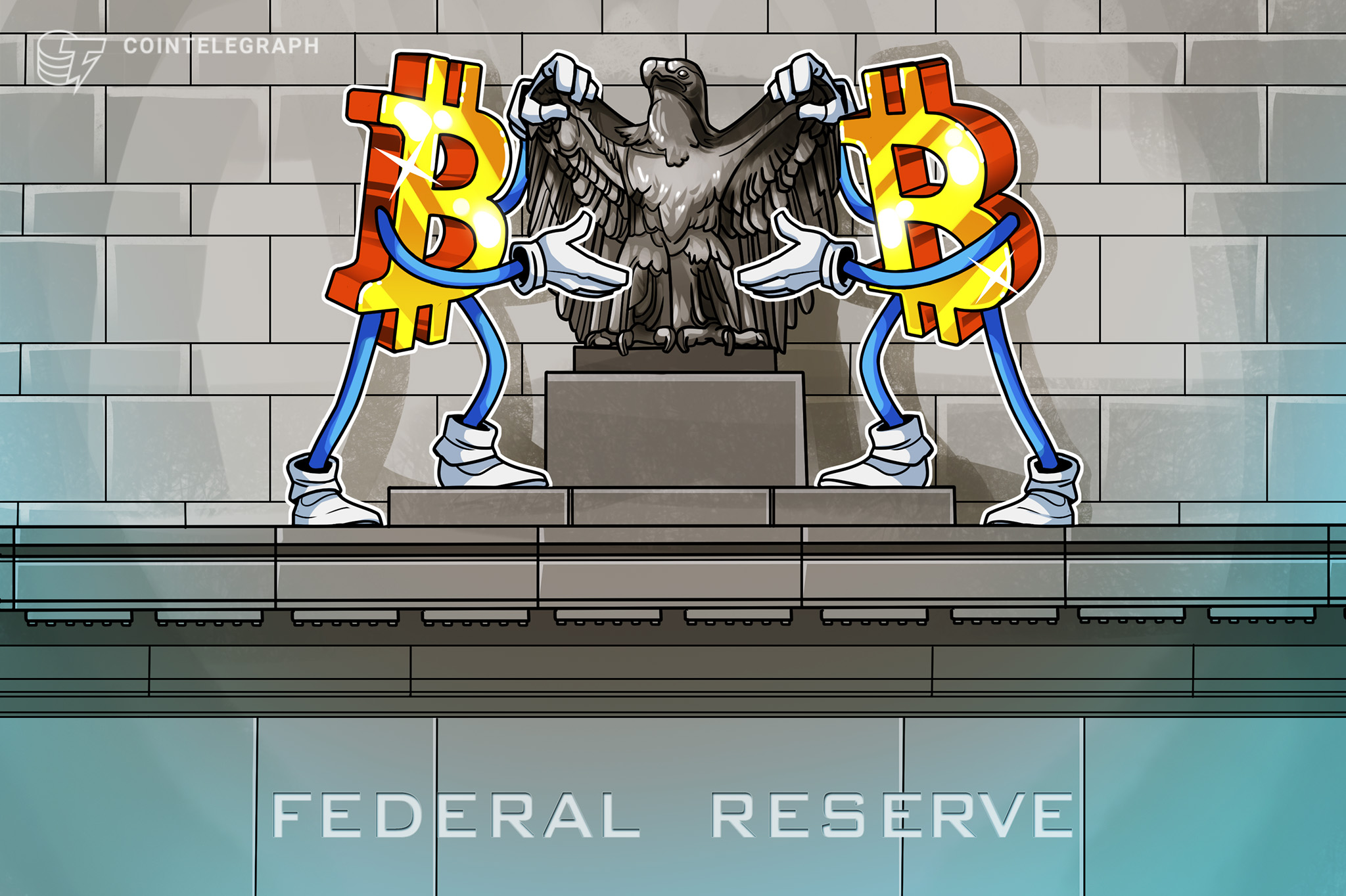
Bitcoin failed to secure a decisive breakout above the $80,000 mark, retracing to approximately $78,400 as traders reacted to hawkish signals from the Federal Reserve’s Jackson Hole symposium. The primary catalyst for this price rejection was a keynote speech by Kevin Warsh, who downplayed recent lower inflation prints and signaled that the central bank remains wary of U.S. price trends. This cautious rhetoric dampened hopes for a more aggressive pivot toward monetary easing, which is typically a primary driver for crypto asset appreciation.
The Jackson Hole meeting is a pivotal event for global markets, and Warsh’s comments served as a reality check for bulls who expected a clear path to new all-time highs. By suggesting that current inflation data may not yet justify a significant shift in policy, Warsh effectively cooled the 'risk-on' sentiment that had been building throughout the week. For crypto investors, this indicates that the macro environment remains restrictive, limiting the liquidity necessary to push Bitcoin through heavy sell walls at higher price levels.
From a market structure perspective, the failure to hold near $80,000 highlights the sensitivity of digital assets to U.S. interest rate expectations. US-based institutional investors, who have become a dominant force in Bitcoin price action following the launch of spot ETFs, are particularly reactive to Fed guidance. The dip to $78,400 suggests that the market is re-pricing the timeline for potential rate cuts, shifting from exuberant optimism to a more calculated, data-dependent outlook.
Moving forward, readers should closely monitor upcoming Consumer Price Index (CPI) releases and labor market reports to see if the Fed's wariness is justified. Until there is a clearer consensus on the end of the current tightening cycle, Bitcoin will likely continue to face volatility around major psychological levels. Traders should watch the $78,000 support level; a failure to hold this could lead to further consolidation, while any softening in Fed rhetoric could provide the next catalyst for a run at the $80,000 barrier.