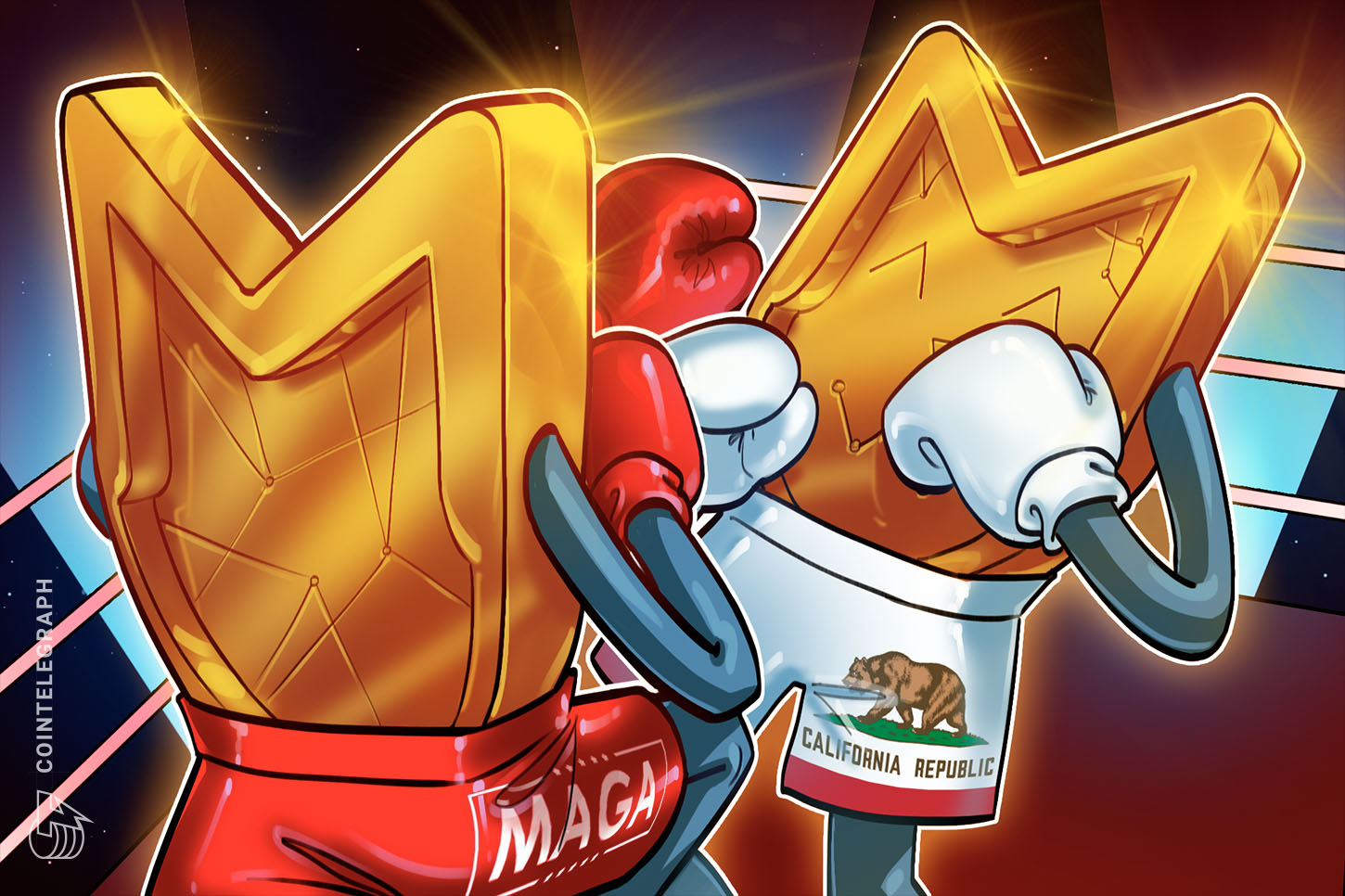
The California Senate has passed a bill specifically designed to block public officials from issuing and listing memecoins for California residents. The legislation addresses a growing concern that elected officials or candidates could leverage their public platforms to pump speculative digital assets, creating significant ethical dilemmas. By prohibiting these listings, the state aims to ensure that public service remains separated from the highly volatile and often predatory nature of memecoin markets.
Legislators introduced the bill following concerns over 'pay-to-play' arrangements, where political influence could be traded for token promotion or where token price action could be influenced by official policy decisions. The bill highlights that the issuance of tokens by federal or state officials creates an inherent conflict of interest, as their primary duty to the public could be compromised by the financial incentive to increase the value of their personal crypto projects.
From a market perspective, this move signals a tightening of the regulatory environment surrounding 'celebrity-style' token launches, extending that scrutiny to the political sphere. While the ban is localized to California residents and specific to public officials, it sets a precedent for how other states might handle the intersection of digital assets and political ethics. It effectively removes a potential avenue for political fundraising or personal enrichment that has previously lacked clear legal boundaries.
Moving forward, investors and residents should watch for the bill’s implementation and whether similar legislation gains traction in other major hubs like New York or at the federal level. As crypto becomes a central theme in US elections, the legal distinction between a personal financial asset and a tool for political influence will likely become a major focal point for regulators across the country.