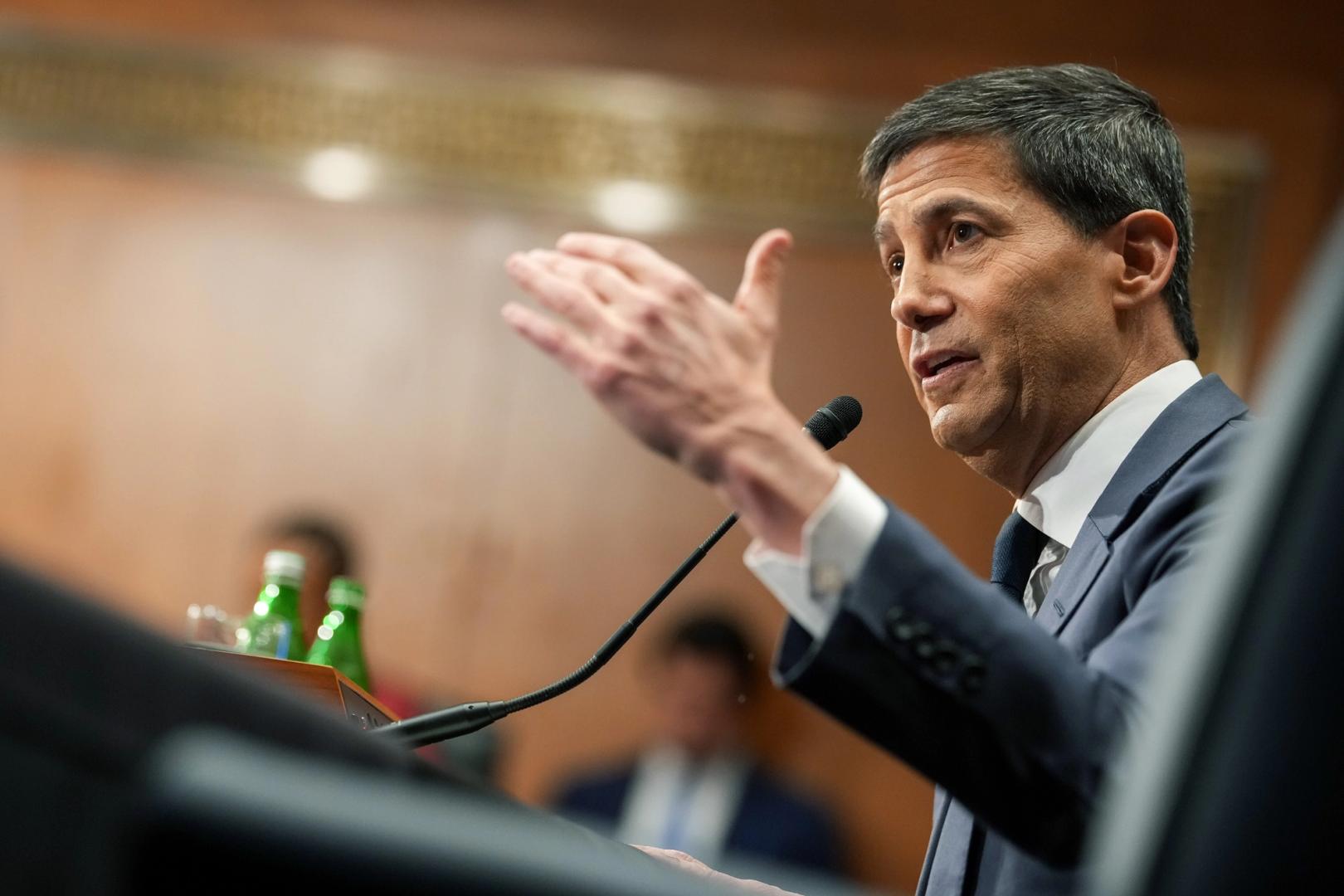
Federal Reserve Chair Kevin Warsh’s recent declaration at the Jackson Hole symposium that the central bank has more 'work to do' on inflation suggests a 'higher-for-longer' interest rate environment that could stifle crypto market liquidity. By emphasizing that the fight against rising prices is not yet won, Warsh signaled to investors that the Federal Reserve is not ready to pivot toward rate cuts. For the cryptocurrency sector, this translates to a continued preference for low-risk yield assets like Treasury bonds over high-volatility assets like Bitcoin and Ethereum.
The remarks were delivered during the Kansas City Fed's annual symposium, a high-profile gathering where global central bankers set the tone for future monetary policy. Warsh’s focus on the persistent nature of inflation highlights a cautious approach to the US economy, aiming to prevent a premature easing of financial conditions. This macro-economic backdrop is crucial for crypto traders, as Bitcoin has historically shown a strong inverse correlation with the US Dollar Index (DXY) and interest rate hikes.
From a regulatory and political perspective, Warsh’s stance reflects a commitment to price stability that overrides immediate concerns about market growth or retail investment trends. While some crypto proponents view Bitcoin as a long-term inflation hedge, the short-term reality is that high interest rates drain the excess liquidity that typically fuels bull cycles. This environment forces institutional investors to remain cautious, awaiting clearer signs of a cooling economy before increasing exposure to digital assets.
Market participants should expect continued volatility as the industry digests this hawkish outlook. The immediate impact is likely a consolidation phase for major tokens, as the cost of borrowing remains high and capital remains parked in safer havens. The lack of a clear timeline for a Fed pivot means that the 'crypto winter' sentiments may linger, despite technological advancements within the DeFi and Layer-2 sectors.
Moving forward, investors should closely monitor upcoming Consumer Price Index (CPI) reports and subsequent FOMC meeting minutes to gauge if Warsh’s rhetoric matches future data trends. Any signs of inflation softening faster than expected could provide the catalyst for a market reversal, but until then, the Fed's 'work to do' remains the primary hurdle for a broad-based crypto recovery.