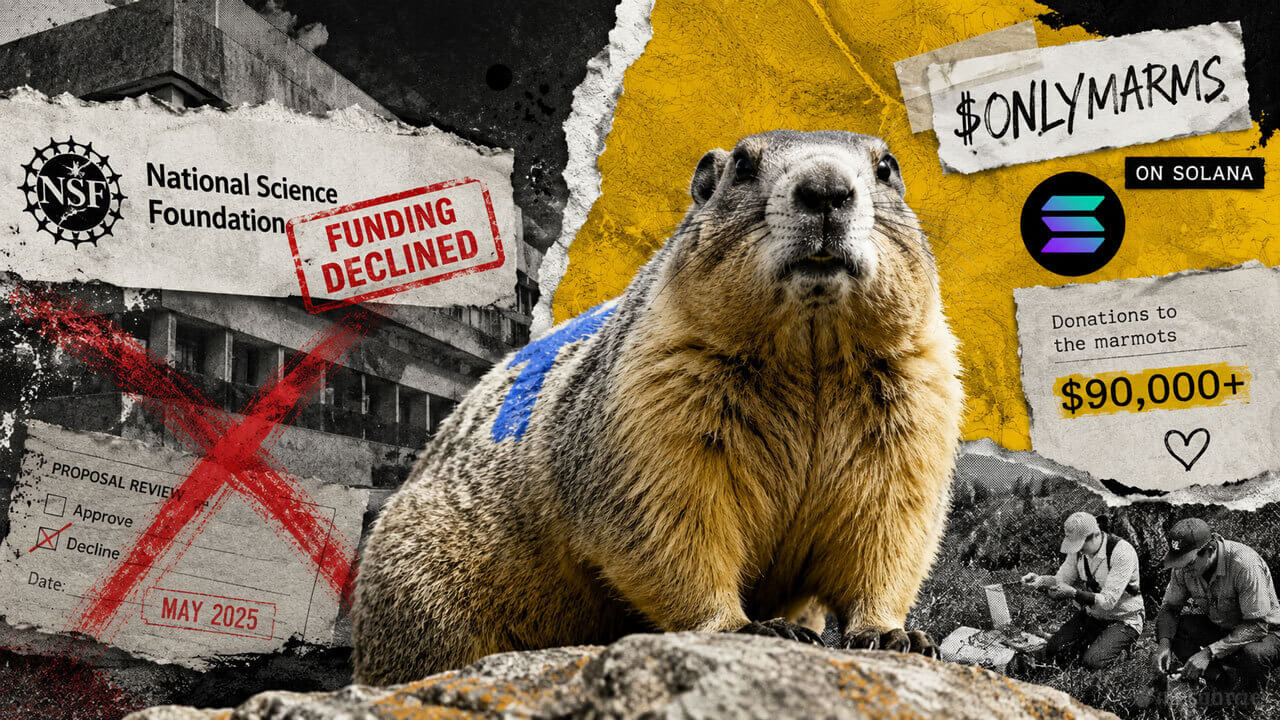
Solana traders, coordinated through a niche social-media-driven community, successfully funded the continuation of a 64-year-old yellow-bellied marmot study in Gothic, Colorado, after its federal grants were exhausted. By leveraging the speed and liquidity of the Solana blockchain, the group provided the necessary financial bridge to keep the Rocky Mountain Biological Laboratory’s research active. The study is a critical longitudinal project that tracks marmot populations to understand broader environmental and evolutionary changes, a task that was nearly abandoned due to a sudden lack of government support.
The initiative highlights the emergence of 'DeSci' (Decentralized Science) principles, where crypto-native wealth is used to bypass traditional bureaucratic funding hurdles. In this instance, the group involved—which uses branding associated with OnlyFans—mobilized its followers to redirect market gains toward ecological preservation. This reflects a growing trend where high-risk, high-reward memecoin and DeFi communities seek to establish social legitimacy by supporting tangible 'real-world' causes that are overlooked by traditional institutions.
From a regulatory and political perspective, this event showcases the potential for digital assets to serve as a reliable source of funding for public goods and scientific research. As federal research budgets in the U.S. face increasing scrutiny and cuts, decentralized funding models could become a vital alternative for scientists. This shift suggests that blockchain technology is moving beyond simple financial speculation and into the realm of social and environmental impact, which may influence how regulators perceive the utility of decentralized communities.
Investors and observers should watch for the formalization of these efforts through Decentralized Autonomous Organizations (DAOs). If this specific success leads to a permanent wildlife conservation fund on Solana, it could serve as a blueprint for other niche scientific projects seeking to escape the instability of federal grant cycles. The ability for crypto communities to move capital faster than government agencies provides a unique competitive advantage for time-sensitive scientific fieldwork.