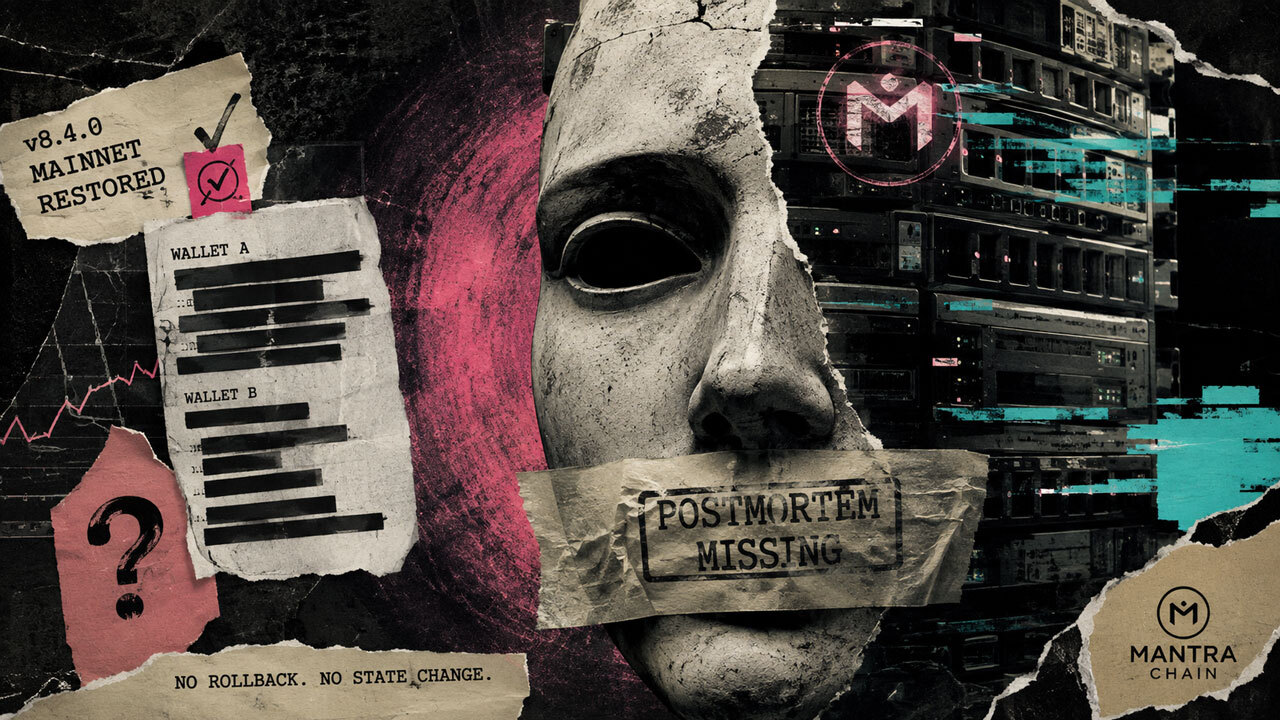
MANTRA Chain is officially back online following the deployment of mainnet version 8.4.0, yet the restoration has been overshadowed by skepticism from the developer community. The primary concern stems from silent code changes—modifications made to the blockchain's protocol without detailed public documentation or an explanation of the specific vulnerabilities they were designed to patch. By bypassing the standard transparency protocols expected in decentralized ecosystems, the project has left many questioning the current integrity of the network.
The lack of transparency regarding the recent downtime is particularly notable given the sensitive nature of the incident. To date, the MANTRA team has not disclosed critical information, including wallet addresses involved in the suspected exploit, transaction hashes, or the specific attack path used by bad actors. This opacity contrasts sharply with the industry-standard 'post-mortem' reports, which are essential for maintaining trust and allowing third-party audits of a chain's security posture.
In the broader context of the Real-World Asset (RWA) sector, where MANTRA positions itself as a compliant and secure Layer 1, these concerns carry weight. For institutional investors looking to tokenize assets, the security and governance of the underlying infrastructure are paramount. If developers and validators lose confidence in the team's commitment to open-source transparency, it could hinder the platform's ability to attract high-value RWA partnerships and regulatory approval.
Moving forward, market participants should watch for a formal, technical post-mortem from the MANTRA team. The long-term impact on the network’s native OM token will likely depend on whether the project provides a comprehensive explanation for the v8.4.0 changes or continues to withhold technical details. Until these security questions are answered, the project faces a credibility gap that could lead to increased volatility and a possible shift in developer sentiment.