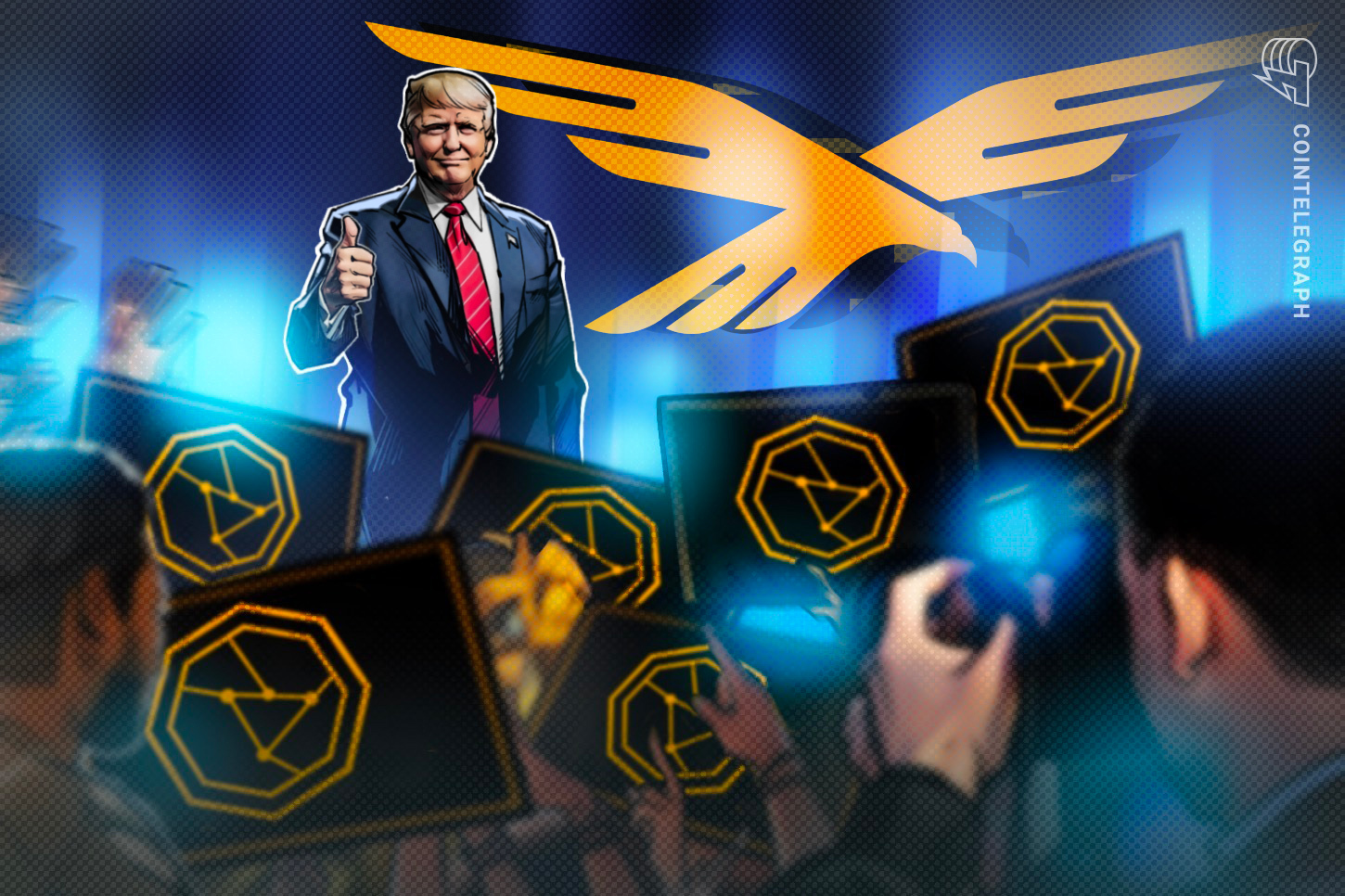
Sheikh Tahnoon bin Zayed Al Nahyan, the UAE’s national security adviser and a key figure in Abu Dhabi’s investment landscape, is the royal behind a significant 49% stake in the holding company for World Liberty Financial’s trust bank. According to reports from the Wall Street Journal, this investment provides a massive capital infusion into the conditionally approved U.S. banking entity associated with the Trump-linked crypto project. The involvement of such a high-ranking foreign official marks a major intersection between global sovereign wealth and the burgeoning U.S. digital asset market.
World Liberty Financial (WLFI) has positioned itself as a decentralized finance (DeFi) platform with ambitions to bring crypto services to a broader audience. By securing a stake in a U.S. trust bank, the venture gains a regulated foothold in the American financial system, which is essential for bridging the gap between traditional banking and blockchain technology. Sheikh Tahnoon’s involvement is particularly notable as he oversees several of the UAE's most powerful investment vehicles, including ADQ and the AI-focused G42.
From a regulatory and political perspective, this development is likely to attract significant attention in Washington. The combination of a former U.S. President’s business venture and substantial ownership by a foreign sovereign-linked entity could trigger scrutiny regarding financial influence and national security. U.S. regulators, particularly those overseeing trust bank charters, will likely examine the ownership structure to ensure compliance with domestic banking laws and transparency requirements.
For the broader crypto market, this move signals that institutional and sovereign interest in U.S.-regulated crypto infrastructure remains high despite ongoing regulatory debates. Investors should watch for the final approval status of the trust bank and any potential policy shifts that might affect foreign investment in U.S. crypto entities. The successful launch of this venture could pave the way for more sophisticated cross-border collaborations between sovereign wealth funds and domestic crypto platforms.