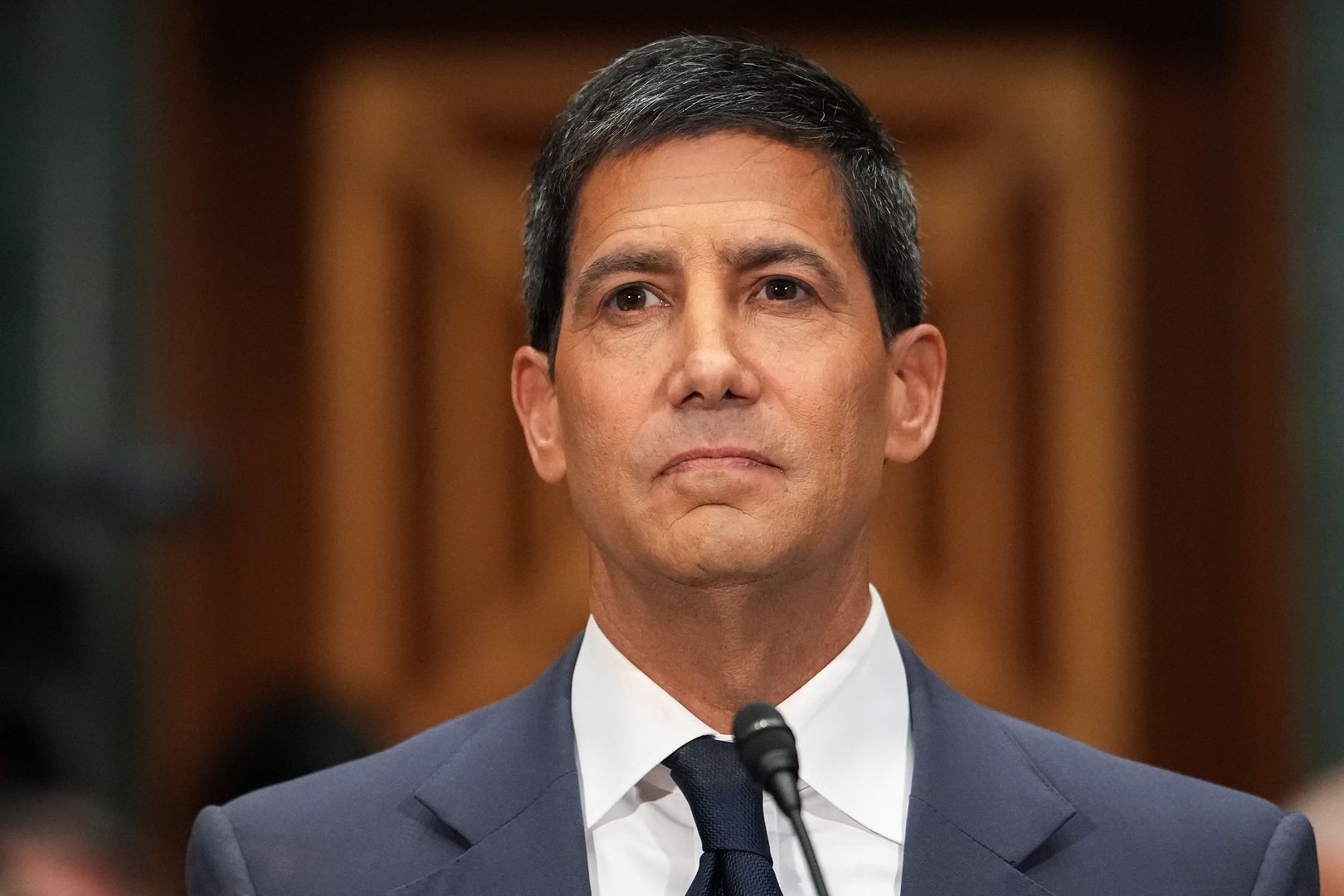
Kevin Warsh’s speech at the Jackson Hole Economic Symposium is a major event for Bitcoin investors because it could define the Federal Reserve's role in supporting Treasury buybacks. If Warsh indicates that the Fed will back these operations to stabilize the bond market, it would likely lead to lower long-term yields. Historically, when yields fall and the dollar faces liquidity-driven pressure, Bitcoin (BTC) and gold tend to rally as investors seek protection against currency debasement and seek higher returns in risk-on assets.
The discussion centers on the mechanics of the U.S. Treasury market and whether the Fed will provide a backstop for government debt. Kevin Warsh, a former Fed Governor with significant influence, is expected to address how the central bank can manage market volatility during periods of high debt issuance. By facilitating buybacks, the Fed would essentially be ensuring that the market for government bonds remains liquid, preventing a spike in borrowing costs that could otherwise stifle economic growth.
From a regulatory and geopolitical perspective, this debate highlights the growing intersection between traditional fiscal policy and the burgeoning digital asset market. As the U.S. grapples with its massive debt load, any sign of 'financial repression'—where interest rates are kept artificially low to manage debt—strengthens the investment thesis for Bitcoin as 'digital gold.' US-based institutional investors are particularly sensitive to these signals, as they dictate the flow of capital between fixed-income markets and spot Bitcoin ETFs.
Investors should closely watch for specific mentions of 'liquidity support' or 'yield curve management' in Warsh's remarks. A dovish tone regarding Treasury support would likely be interpreted as a green light for a crypto market surge. Conversely, if the speech focuses on fiscal austerity or higher-for-longer interest rates without Fed intervention, Bitcoin could face short-term headwinds as long-term yields remain elevated and pull liquidity away from riskier assets.