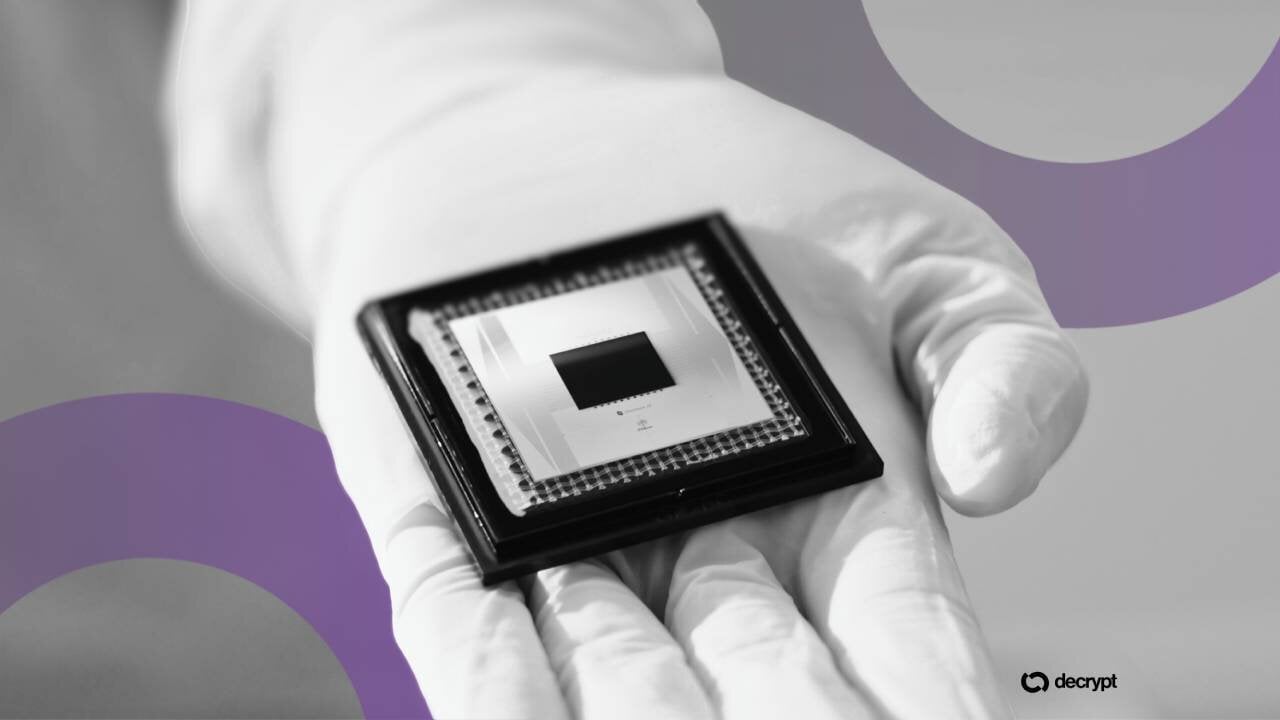
StarkWare completed the first experimental quantum-safe Bitcoin transaction by utilizing a cryptographic method known as a Winternitz One-Time Signature (WOTS) within the constraints of the existing Bitcoin Script. This experiment proves that Bitcoin’s current architecture is flexible enough to support post-quantum cryptography today, ensuring that funds can be protected from future high-powered computing attacks without needing to wait for a formal network-wide upgrade.
The transaction relies on the ability to verify complex signatures using Bitcoin’s native scripting language. While quantum computers capable of breaking traditional encryption do not yet exist, the theoretical threat to the Elliptic Curve Digital Signature Algorithm (ECDSA)—which secures almost all modern crypto wallets—is a major long-term concern for the industry. By demonstrating a path forward using existing tools, StarkWare has shown that the 'quantum apocalypse' may not be as devastating for Bitcoin as previously feared.
From a technical perspective, this development highlights the growing interest in expanding Bitcoin's functionality. The experiment aligns with ongoing discussions regarding the 'OP_CAT' proposal, a potential soft fork that would make these types of complex, quantum-resistant scripts significantly easier and more efficient to implement. Developers are increasingly focused on 'future-proofing' the network to maintain its status as the world’s premier store of value.
For investors and the broader market, this news reduces the existential risk premium often associated with the long-term threat of quantum computing. It signals that Bitcoin’s development community is proactive and that the network can evolve technologically while maintaining its core security principles. Moving forward, market participants should watch for further research into zero-knowledge proofs and Layer-2 scaling solutions that could further integrate these quantum-safe signatures into the Bitcoin ecosystem.