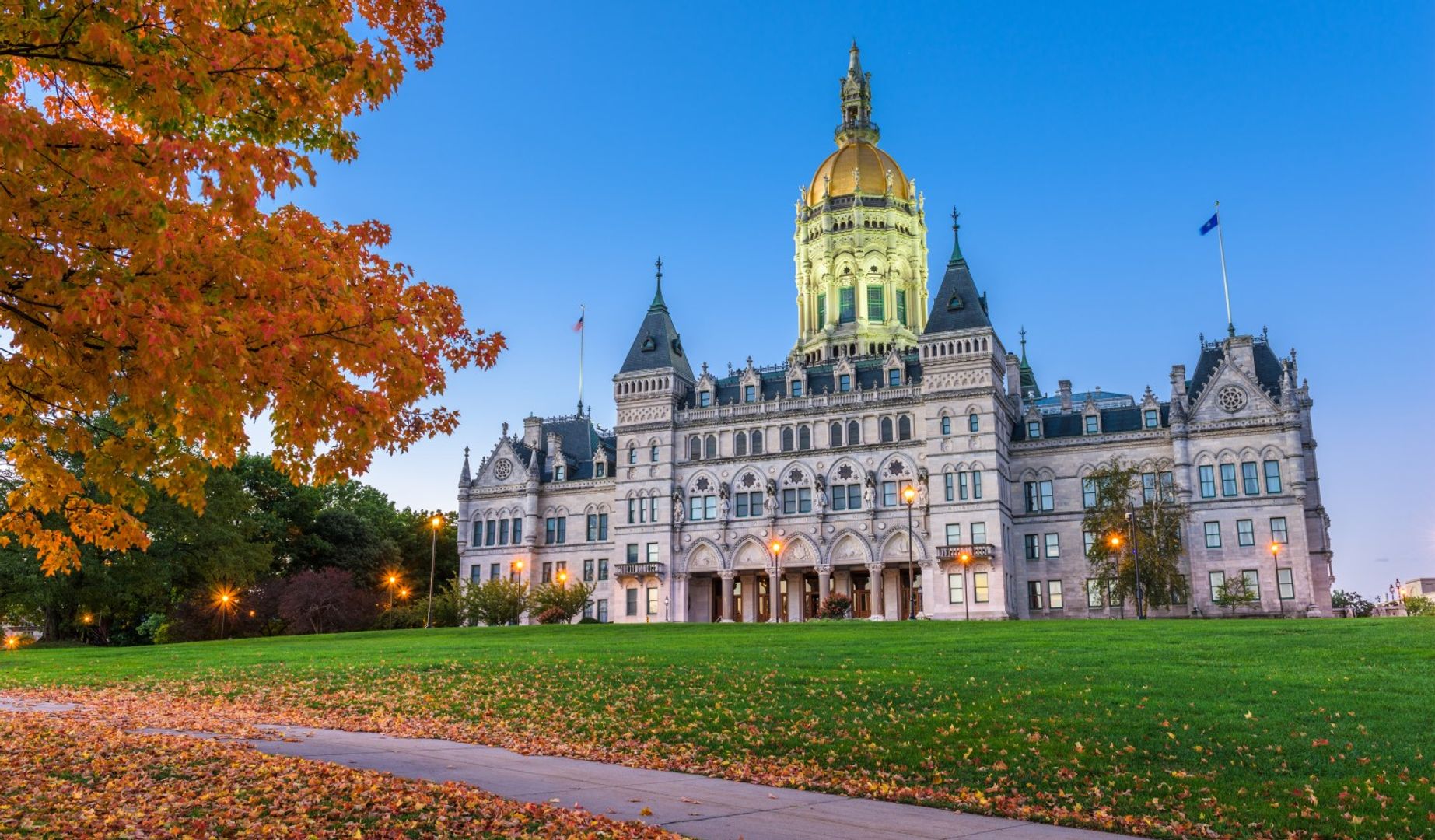
The Connecticut lawsuit against Kalshi introduces a significant state-level challenge for prediction markets, attempting to stop the platform from operating within the state despite its recent success against the CFTC in federal court. This legal maneuver highlights a growing strategy where state officials use local consumer protection and gambling laws to bypass federal rulings that favor event-based wagering. As a result, even if a platform is deemed legal at the federal level, it may still face a patchwork of bans across different U.S. states.
This specific legal battle follows a major win for Kalshi in which a federal judge ruled that the Commodity Futures Trading Commission (CFTC) exceeded its authority by trying to ban election-related contracts. However, Connecticut authorities argue that these contracts constitute illegal gambling under state statutes. This creates a high-stakes 'split outcome' scenario, where the legality of prediction markets depends entirely on the user's physical location, complicating the business model for centralized platforms and casting a shadow over decentralized alternatives.
For the broader crypto and DeFi ecosystem, this case serves as a critical indicator of how regulatory friction will manifest in the coming years. While many prediction markets utilize blockchain technology to ensure transparency and censorship resistance, the legal precedent set by the Kalshi-Connecticut fight will influence how regulators approach decentralized forecasting tools. If Connecticut successfully blocks Kalshi, it provides a blueprint for other states to file similar injunctions, potentially neutralizing the industry's hard-won federal legal gains.
Observers should watch for whether Kalshi files for an emergency stay and if other state attorneys general follow Connecticut’s lead in filing similar complaints. The ultimate resolution will likely hinge on the doctrine of federal preemption—whether federal law governing commodities and derivatives takes precedence over state gambling prohibitions. Until then, the market faces significant uncertainty, which could dampen participation and liquidity in the lead-up to major political events.