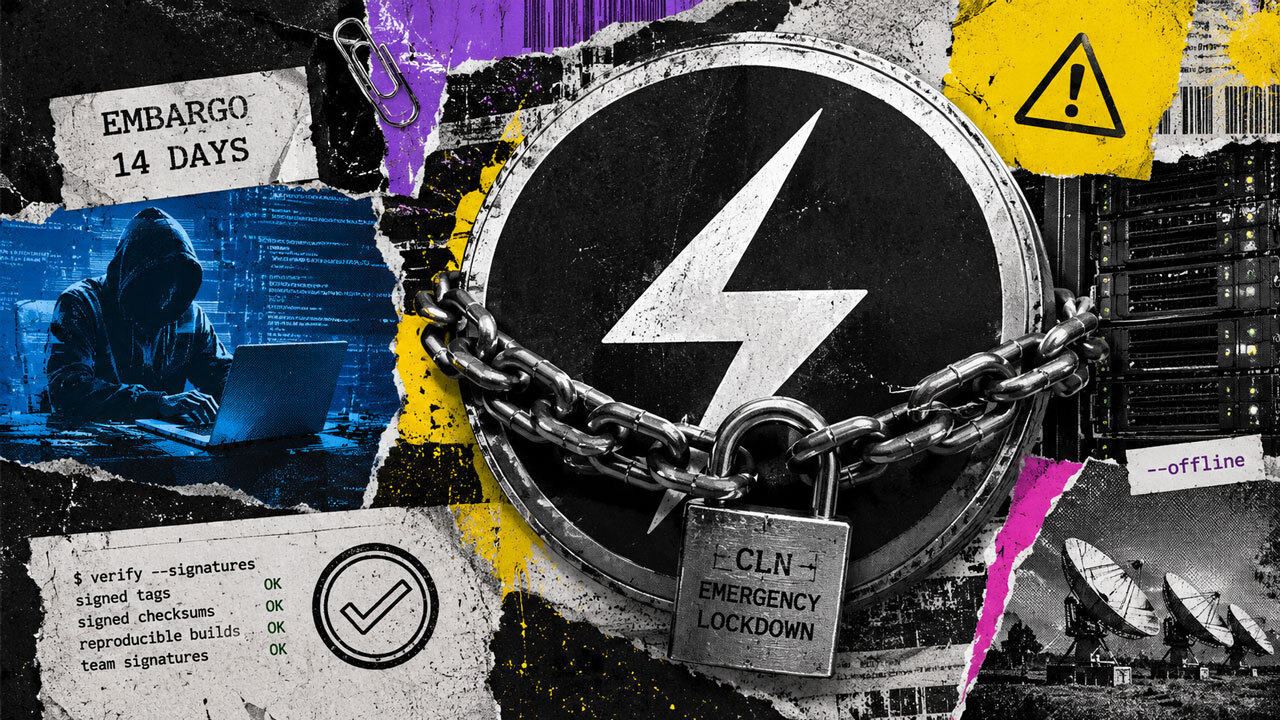
Bitcoin Core Lightning (CLN) node operators are advised to either install the newly released software binaries immediately or take their nodes offline to prevent potential exploits. This directive follows an emergency announcement on August 23, where developers revealed that multiple vulnerabilities had been identified—many through the use of artificial intelligence. To ensure network security, the team has implemented a 14-day disclosure delay, allowing the majority of the network to patch before the technical details of the bugs are made public.
The decision to keep the specific nature of the vulnerabilities secret for two weeks is a standard security practice known as responsible disclosure. By urging operators to act before they have a full assessment of the threat, the CLN team aims to stay ahead of malicious actors who might use similar AI tools to reverse-engineer the flaws. This highlights a growing trend in the crypto space where AI is being leveraged both to find and fix critical infrastructure weaknesses at a speed previously impossible for human auditors.
For the broader Bitcoin ecosystem, this incident serves as a reminder of the technical challenges facing Layer-2 scaling solutions. While the Lightning Network is essential for Bitcoin’s transition into a viable medium of exchange, the reliance on complex codebases makes it a target for sophisticated attacks. The proactive stance of the CLN developers is intended to maintain trust in the protocol, but it also underscores the technical overhead required for those participating in the network's decentralization.
Market participants and node operators should monitor official Stacker News and CLN communication channels for the full disclosure expected in early September. While there is no immediate evidence of funds being lost, the success of this coordinated patch will be a litmus test for the Lightning Network’s resilience. Continued stability in Bitcoin’s price suggests that the market currently views this as a manageable technical hurdle rather than a systemic failure of the protocol.