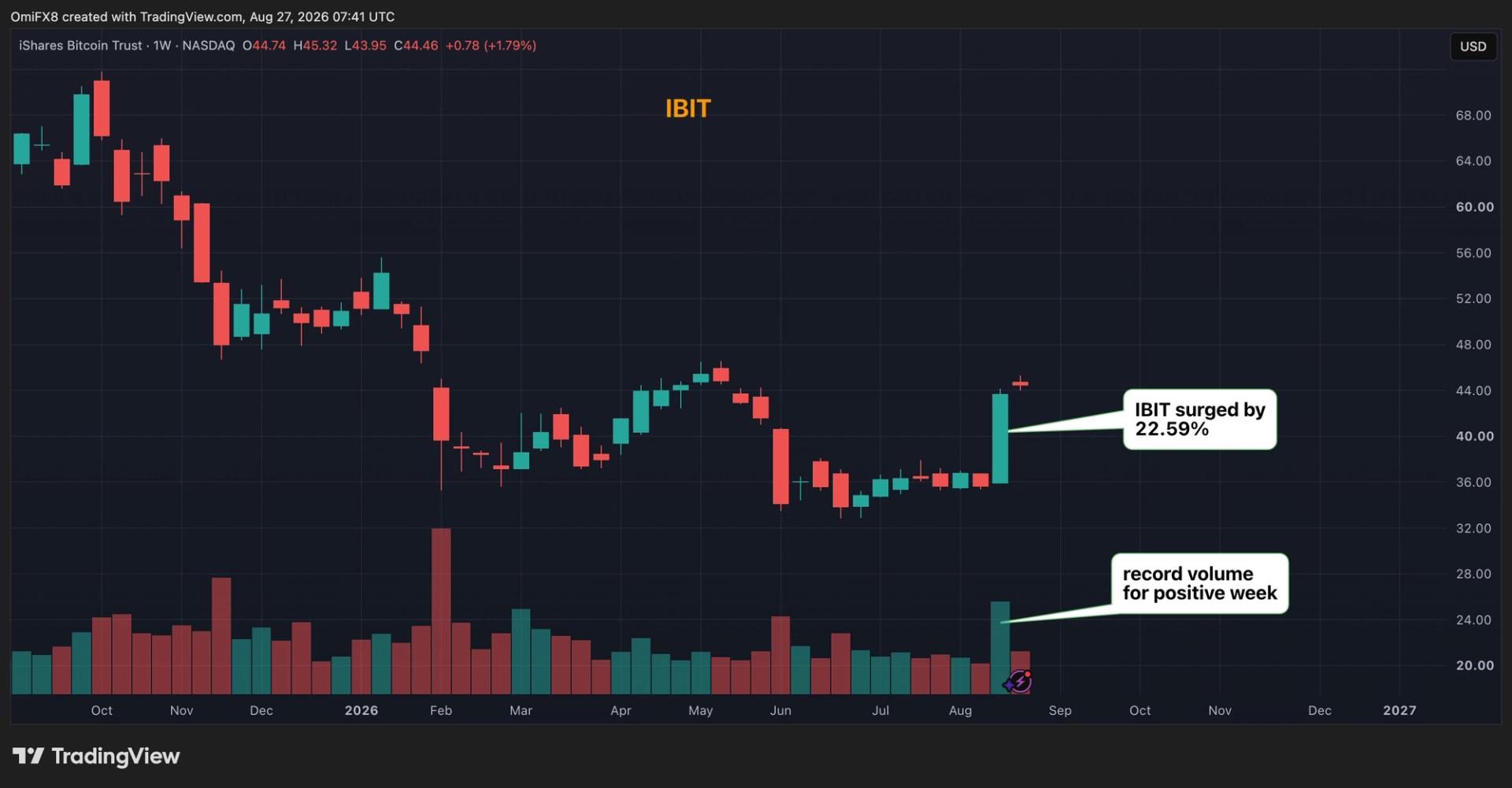
BlackRock’s Robert Mitchnick asserts that Bitcoin’s macro case is strengthening because the asset is increasingly viewed as a unique hedge against traditional fiscal and geopolitical instability. This outlook follows a landmark week for the company’s spot Bitcoin ETF, IBIT, which recorded its highest trading volume to date during a period of positive price action. According to Mitchnick, the convergence of institutional-grade access and a deteriorating global macroeconomic environment has positioned Bitcoin as a legitimate store of value rather than a purely speculative instrument.
The record-breaking performance of IBIT indicates a fundamental shift in how Wall Street perceives digital assets. As liquidity deepens through regulated ETFs, Bitcoin is becoming more integrated into mainstream diversified portfolios. The surge in volume suggests that large-scale investors are not just trading the volatility but are actively seeking exposure to Bitcoin’s scarcity and decentralized nature as US debt levels rise and concerns over currency debasement persist.
From a regulatory and political perspective, BlackRock’s vocal support serves as a significant catalyst for the US market. By providing a regulated bridge for institutional capital, IBIT has cleared the compliance hurdles that previously kept traditional asset managers on the sidelines. This institutionalization is helping to stabilize Bitcoin’s market structure, making it less susceptible to the wild swings seen in previous cycles and reinforcing its "digital gold" narrative in the eyes of American investors.
Moving forward, market participants should watch for continued growth in ETF inflows as a primary indicator of market strength. The key test for Mitchnick’s macro thesis will be how Bitcoin reacts to upcoming US Federal Reserve interest rate decisions and inflationary data. If Bitcoin continues to show resilience or gains during periods of traditional market stress, its reputation as a macro-safe haven will likely solidify, potentially driving further institutional reallocation into the asset class.