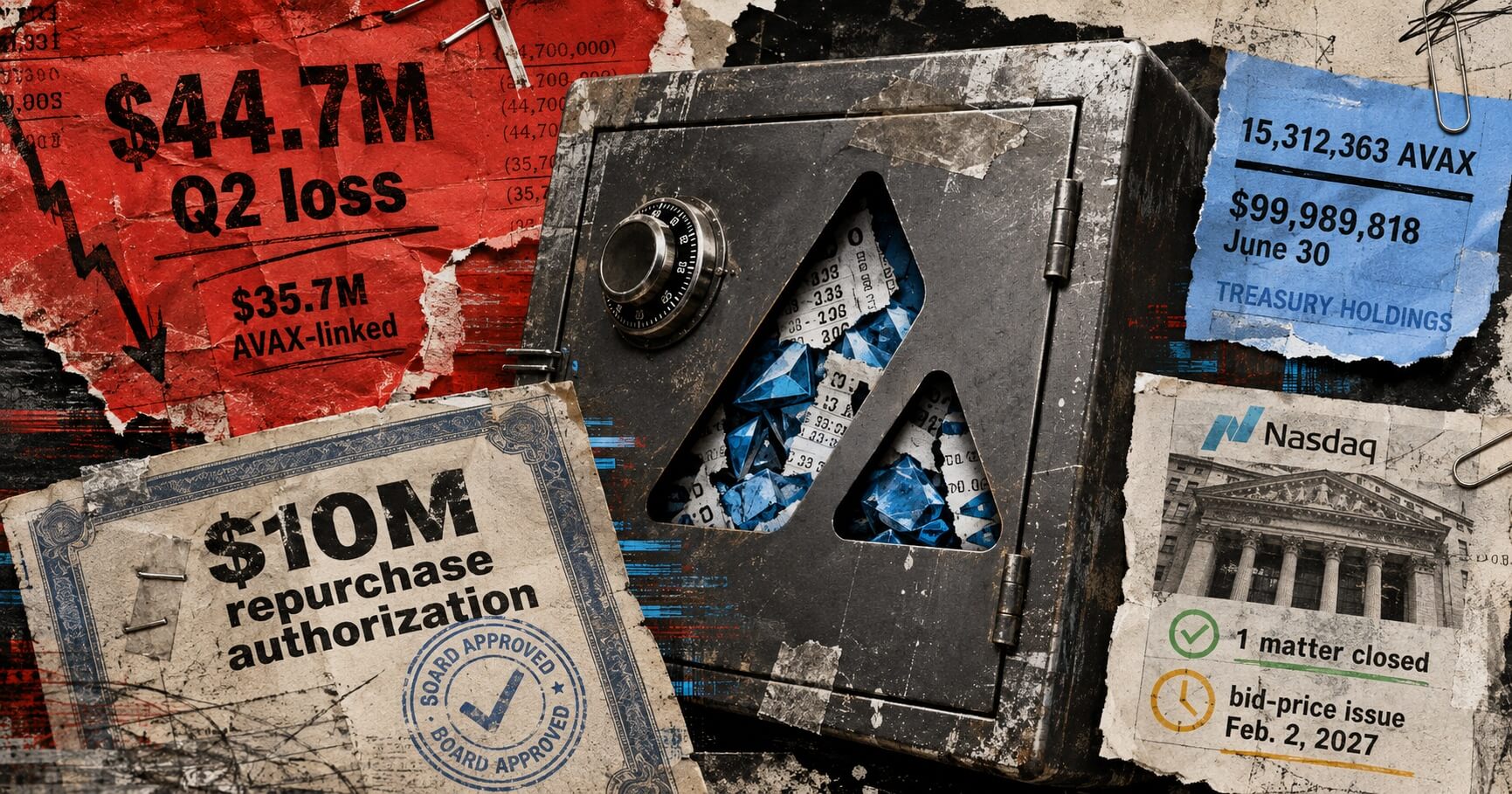
The Avalanche Foundation is aggressively pursuing a token buyback program to counteract a perceived market disconnect, even after reporting a significant $44.3 million hit to its treasury in the second quarter of 2024. By authorizing these purchases, the Foundation intends to signal long-term confidence to investors and capture value during periods where it believes the market price of AVAX does not reflect the underlying utility and growth of the network. The strategy mirrors corporate buybacks in traditional finance, aimed at stabilizing the asset's price and reducing circulating supply.
The $44.3 million loss highlighted in the June 30 treasury report underscores the high risk and volatility inherent in holding crypto-native assets as primary reserves. However, the Foundation views the current market climate as a "disconnect," where the token's price has decoupled from the ecosystem's actual performance and developer activity. By reallocating capital toward buybacks, the treasury is essentially betting on its own recovery, prioritizing what it calls "shareholder value" for its community of token holders.
For US-based investors, this move is significant as it demonstrates how major Layer 1 foundations are adopting traditional financial management tactics to survive bear cycles. While the buyback provides a potential liquidity cushion and psychological support for the price, the June financial report also reveals how exposed the Foundation’s earnings remain to broad market swings. The success of this strategy depends heavily on whether the Avalanche ecosystem can continue to attract institutional partnerships and DeFi volume to justify the Foundation's bullish stance.
Moving forward, market participants should closely monitor the Foundation’s upcoming transparency reports to see the scale of the buybacks and their impact on the AVAX circulating supply. Additionally, as US regulators like the SEC continue to scrutinize the behaviors of crypto foundations—specifically actions that resemble corporate treasury management—the Avalanche Foundation's buyback program could face increased regulatory interest regarding how it influences market dynamics and investor expectations.