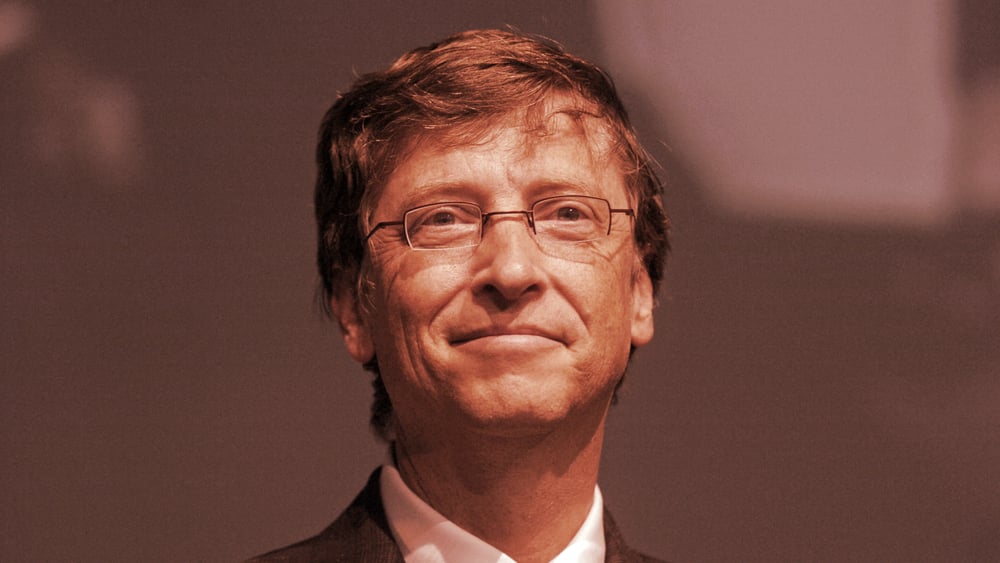
Bill Gates is proposing a targeted tax framework on robots and AI tokens to discourage companies from rapidly replacing human employees with automated systems. By taxing the productivity gained from automation, Gates argues that the transition to an AI-driven economy can be managed more equitably, with tax revenues redirected toward social services and support for displaced workers. The proposal serves as a deterrent to wholesale labor replacement while providing a financial cushion for the evolving workforce.
Beyond taxation, the Microsoft co-founder is calling for the establishment of 'human reserved' roles—a specific list of occupations that would be legally protected from automation. This would create a permanent space for human labor in sectors where interpersonal connection or manual human oversight is deemed essential. Gates suggests that if a robot or AI agent performs work previously done by a human, it should be taxed at a level comparable to the income tax the human worker would have paid.
For the crypto and tech sectors, the mention of 'AI tokens' is particularly significant. As decentralized AI platforms and agent-based protocols gain traction, a specific tax on the tokens that power these automated services could introduce new regulatory hurdles for developers and investors. While Gates' comments are currently high-level policy suggestions, they reflect a growing sentiment among global elites that the economic benefits of AI must be redistributed to prevent mass unemployment.
US investors and crypto enthusiasts should monitor how these ideas influence future legislative discussions in Washington. While no formal bill has been introduced, the concept of a 'robot tax' or taxing the output of AI-integrated digital assets could become a bipartisan talking point as AI adoption accelerates. Any future regulation following this logic would likely impact the valuation and utility models of AI-focused blockchain projects and automated DeFi protocols.