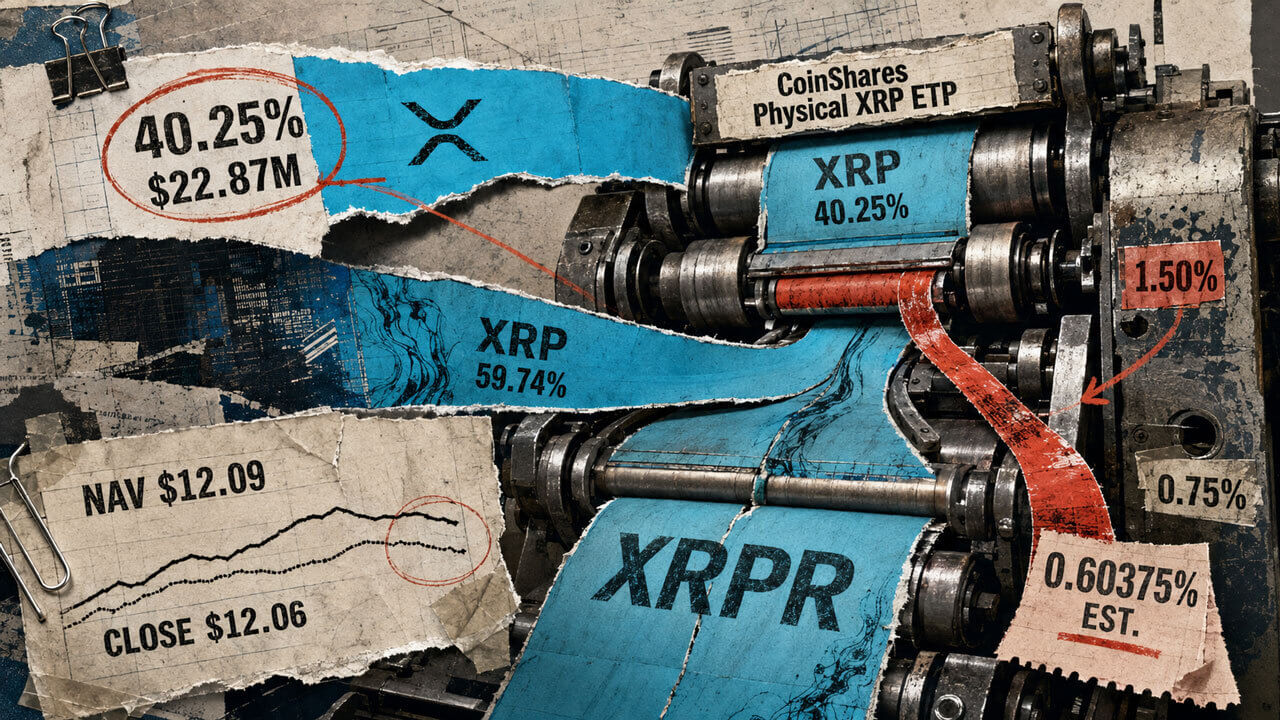
An XRP ETF can drift from the actual spot price of XRP primarily because of the stacking of operational expenses and structural layers within the fund. When an ETF incorporates another listed product’s fee structure or maintains a specific securities floor, the cumulative cost of management, liquidity provision, and legal compliance reduces the fund's Net Asset Value (NAV). This leads to a discrepancy known as tracking error, where the ETF's market price fails to capture the full percentage moves of XRP seen on global spot exchanges.
The underlying cause often involves the fund's internal architecture. If a fund manager utilizes a structure that wraps other listed products, investors are essentially paying multiple layers of fees—both for the ETF itself and the underlying vehicles. Furthermore, maintaining a 'securities floor' can limit the fund's agility, preventing it from remaining 100% correlated with the volatile price swings characteristic of the crypto markets. This structural drag can become particularly pronounced during periods of high volume or market stress.
In the U.S. market, regulatory compliance often dictates these complex structures. The SEC requires robust custodial and pricing mechanisms, which, while providing safety for institutional investors, add layers of cost that direct token holders do not face. For XRP, which is currently navigating a transition from a litigated asset to a mainstream financial product, these early ETF structures may prioritize regulatory approval over fee efficiency, creating a performance gap for retail participants.
Investors should closely monitor the 'Expense Ratio' and the 'Premium/Discount to NAV' listed in the prospectuses of firms like Bitwise or Canary Capital as they seek approval. While the launch of an XRP ETF is a significant milestone for liquidity and accessibility, the cost of this convenience is often a lower realized return compared to holding the raw asset. As competition in the XRP ETF space increases, these structural inefficiencies and fee stacks are expected to compress.