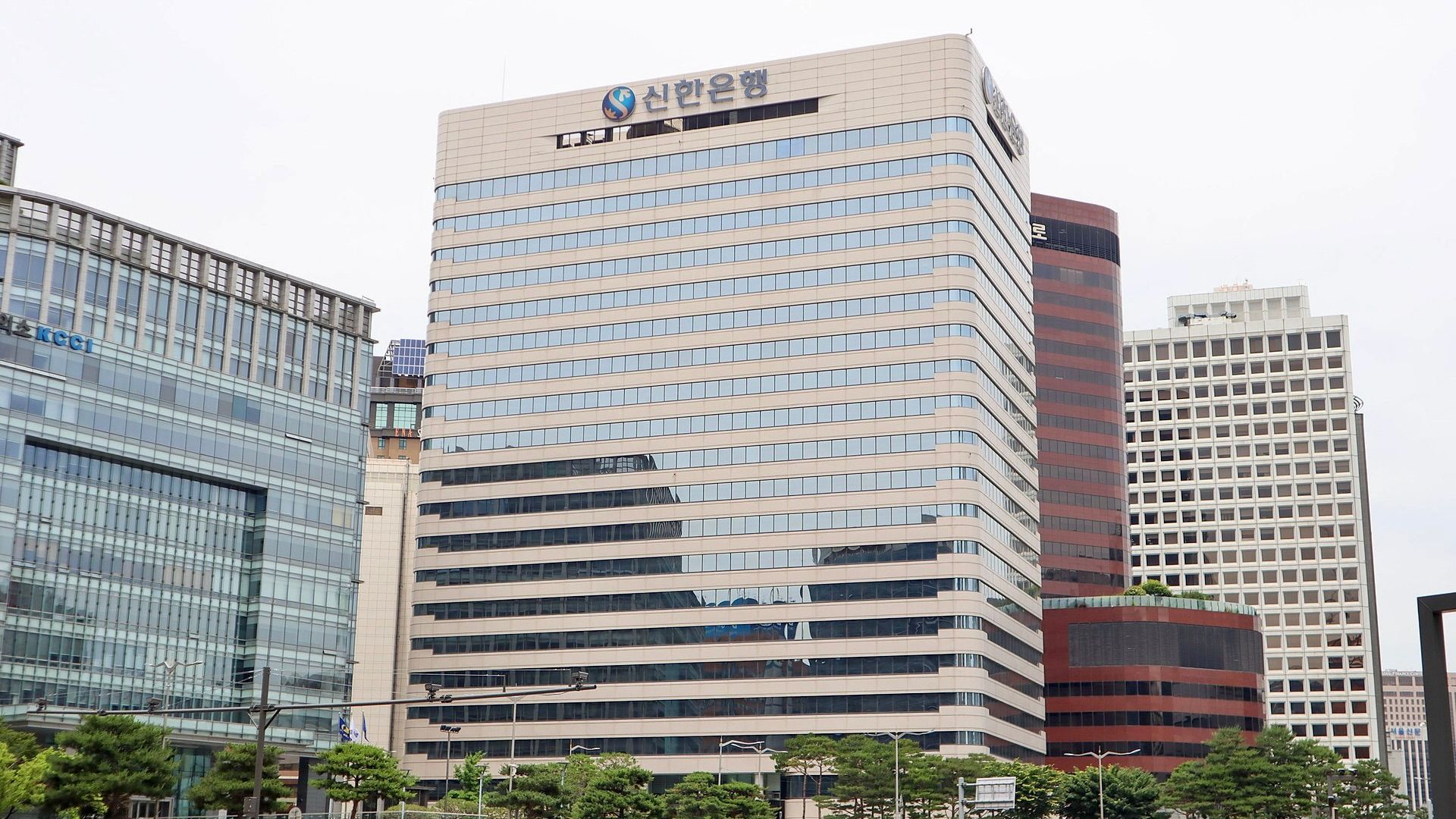
Shinhan Financial Group is leveraging Visa’s global payment platform to pilot the issuance and management of stablecoins designed specifically for business-to-business (B2B) settlements and international remittances. By utilizing blockchain technology, the partnership seeks to replace slow, expensive legacy banking rails with a more transparent and immediate settlement layer. This initiative directly addresses the growing corporate demand for faster cross-border liquidity and digital asset integration within the South Korean financial sector.
Beyond simple asset transfers, the collaboration will explore the integration of artificial intelligence to build sophisticated new payment models. This includes using AI to optimize risk management and liquidity forecasting for corporate clients participating in the stablecoin pilot. By combining Visa’s massive global reach with Shinhan’s domestic banking dominance, the project aims to create a blueprint for how traditional financial institutions can safely transition into the Web3 era without compromising regulatory compliance.
This development occurs as South Korea moves toward a more structured regulatory environment for digital assets. While the country has historically focused on retail investor protection, the government is increasingly supportive of institutional blockchain applications that enhance national competitiveness. Shinhan’s move to test stablecoins on a major international network like Visa signals that South Korean banks are shifting their focus toward 'Real World Asset' (RWA) utility and institutional-grade programmable money.
For the broader crypto market, this partnership is a bullish indicator of institutional adoption, moving stablecoins away from being purely speculative tools and toward essential financial infrastructure. It highlights a growing trend where traditional credit card networks and commercial banks collaborate to bridge the gap between fiat and on-chain finance. Market participants should watch for the results of these pilot tests, as success could lead to a wider rollout of regulated stablecoins across other major Asian economies and payment networks.