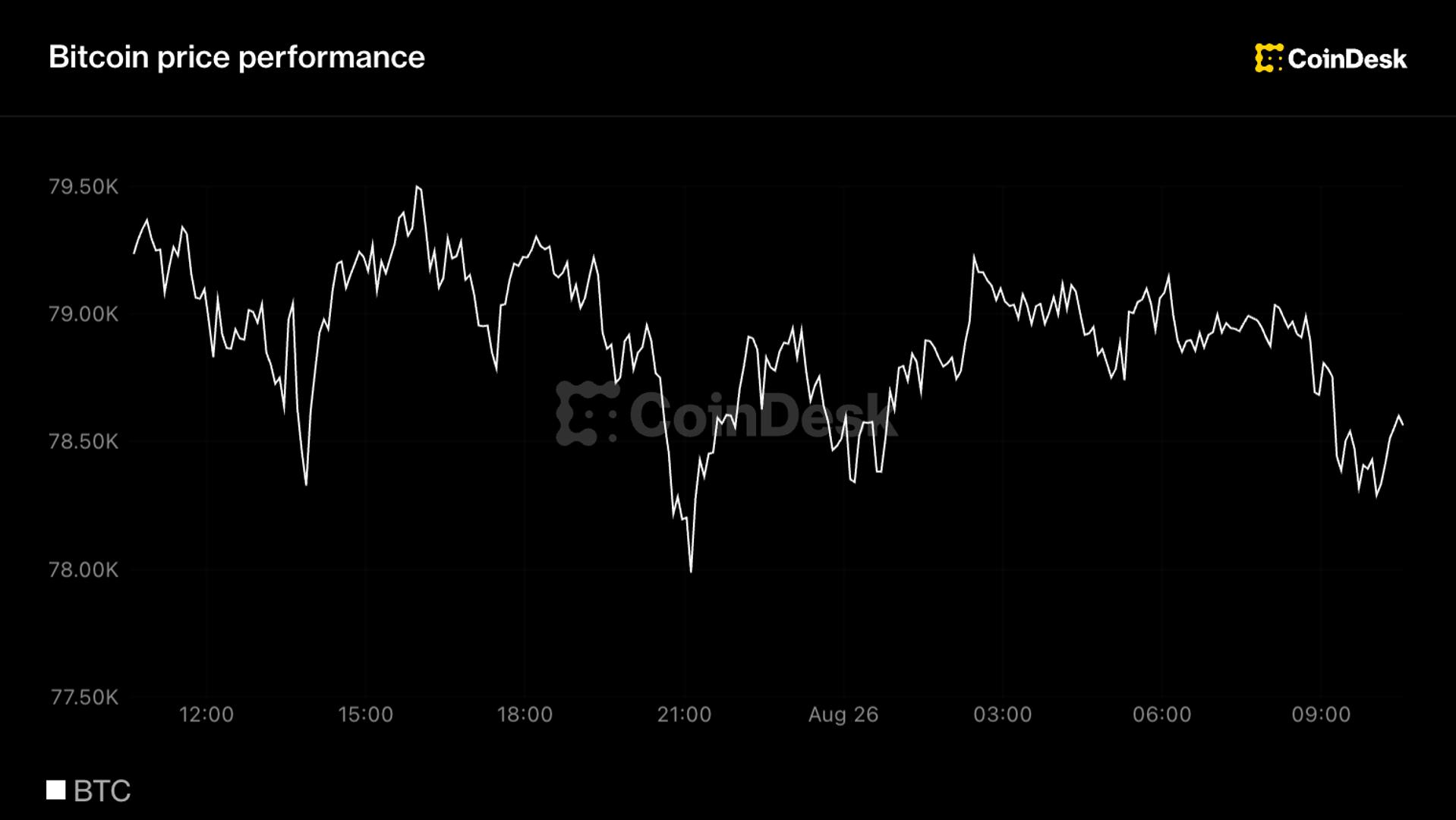
Bitcoin (BTC) experienced a price correction to the $79,000 mark on Wednesday, a move analysts are characterizing as a natural "breather" after the cryptocurrency surged 23% in just one week. This slight retracement follows a period of intense buying pressure that pushed the asset to recent highs, leading some short-term holders to lock in profits. Despite the dip, the underlying market structure remains supported by massive institutional demand, as inflows into US-based spot Bitcoin ETFs have officially crossed the $3 billion threshold during this recent period.
The current price action highlights a classic consolidation phase often seen after parabolic moves. While the 23% seven-day gain signaled a strong bullish breakout, the retreat to $79,000 allows the market to rebase and liquidate over-leveraged long positions. The fact that price stability is occurring near these levels, rather than a sharp crash, suggests that the new floor for Bitcoin is significantly higher than it was at the start of the quarter, buoyed by consistent capital entry.
Institutional participation continues to be the primary driver of this market cycle. With over $3 billion flowing into ETFs, the constant buy-side pressure from asset managers helps absorb sell-side pressure from retail traders taking profits. This institutional absorption is a crucial metric for US investors to watch, as it shifts Bitcoin’s volatility profile from speculative retail swings to more sustained, inflow-driven trends that correlate with broader financial market cycles.
Moving forward, investors should monitor whether Bitcoin can maintain the $79,000 support level or if it will test lower liquidity zones before its next leg up. Key factors to watch include the pace of daily net inflows into major ETFs and any shifts in US macroeconomic sentiment, particularly regarding interest rate expectations. As long as ETF demand holds steady, the mid-to-long-term outlook remains constructive despite this temporary pause in price appreciation.