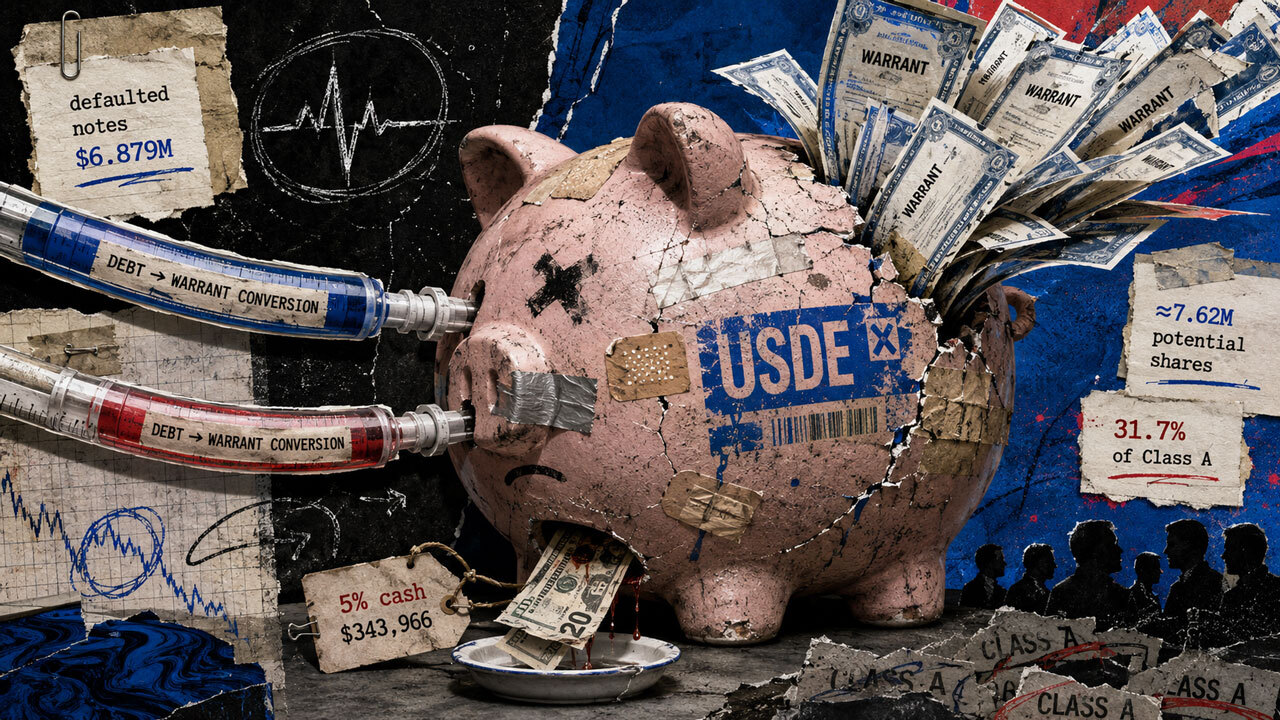
Bakkt Holdings has successfully mitigated a potential liquidity crisis by reaching a settlement to convert its defaulted SPAC (Special Purpose Acquisition Company) debt into future equity. By issuing approximately 7.62 million Class A shares, the company has managed to satisfy the majority of its obligations while limiting its immediate cash payment to roughly $344,000. This move allows the Nasdaq-listed crypto treasury to avoid a massive cash drain that could have threatened its ongoing operations and market position.
The settlement stems from obligations related to Bakkt's initial public offering via a SPAC merger, a common route for crypto firms during the 2021 market boom. Many of these firms have since faced significant financial hurdles as market conditions shifted and the cost of capital increased. By pushing the debt onto future equity, Bakkt is essentially betting that its future growth will offset the dilutive impact of the new shares, providing the firm with much-needed breathing room to navigate the current regulatory and competitive environment.
For US investors, this development highlights the ongoing financial restructuring typical of the "SPAC era" crypto sector. While the deal is a win for Bakkt’s immediate survival and balance sheet stability, it introduces significant share dilution for existing stockholders. The move reflects a broader trend among crypto-native public companies that are prioritizing cash preservation at all costs to weather volatility and maintain their listing requirements on the Nasdaq.
Looking ahead, market participants should closely monitor Bakkt’s upcoming quarterly filings and its ability to generate organic revenue without further reliance on dilutive financing. The company’s success in scaling its institutional crypto custody and trading services will be critical in determining if this equity conversion was a sustainable solution or merely a temporary delay of broader fiscal challenges.