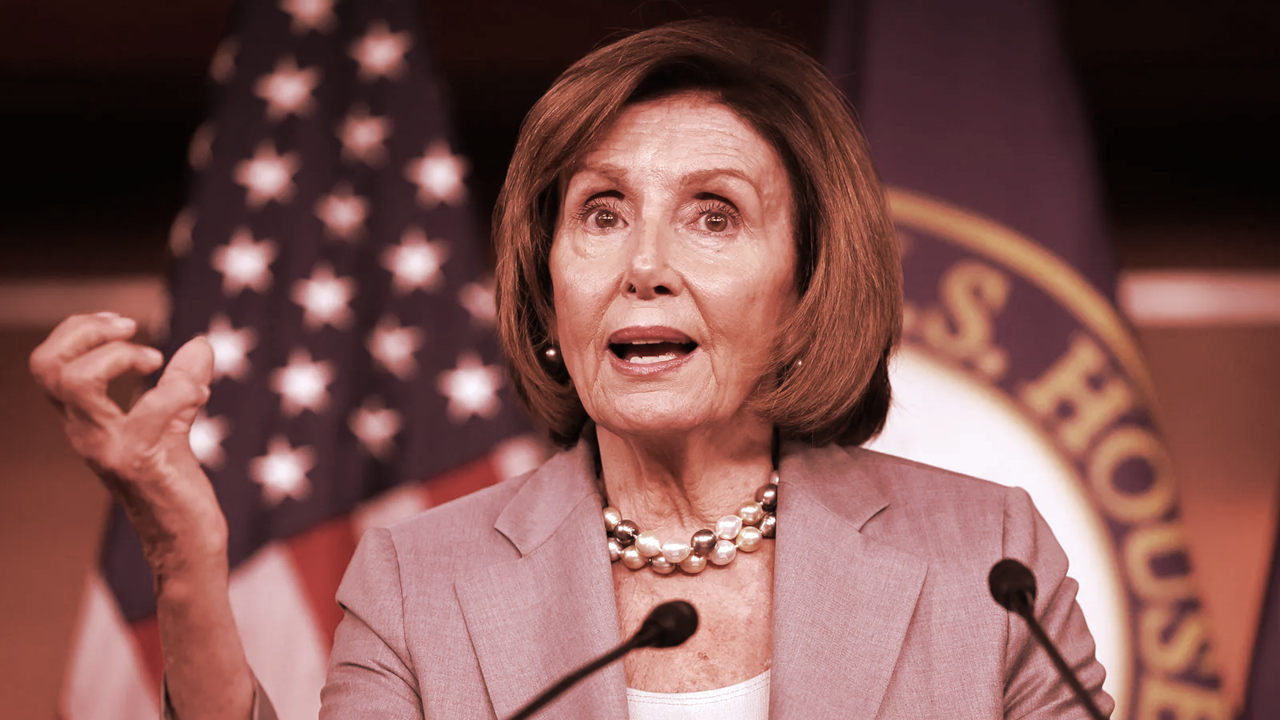
The recent surge in Bloom Energy stock is directly linked to disclosures showing that Nancy Pelosi’s husband, Paul Pelosi, purchased millions of dollars in shares and options shortly before the company announced record earnings. These disclosures, filed weeks after the actual transactions, reveal that the investments were strategically positioned to benefit from the subsequent price jump. This pattern of high-profile political figures making well-timed trades continues to be a focal point for market analysts and retail traders who track these moves for directional signals.
Technically, the trades involved both direct shares and call options, a move that leverages potential upside ahead of major corporate milestones. While Bloom Energy is a clean energy firm, the broader implication of these trades resonates with the crypto community, where 'whale watching' and tracking influential wallets are standard practices. The disclosure highlights a persistent lag between transaction dates and public awareness, a transparency gap that often leaves retail investors at a disadvantage compared to well-connected insiders.
From a regulatory standpoint, these trades occur amidst ongoing debates regarding the STOCK Act and proposed legislation to ban members of Congress from trading individual stocks. Critics argue that such trades create an appearance of impropriety, even if no laws are technically broken, as lawmakers often have access to non-public information regarding subsidies, regulations, and industry shifts. For crypto investors, this reinforces the narrative surrounding the need for decentralized finance and transparent, real-time ledgers where all participants have equal access to transaction data.
Moving forward, market participants should watch for potential legislative pushback or new ethics probes that could arise from this specific Bloom Energy trade. The 'Pelosi Tracker' phenomenon remains a potent force in social media trading circles, often driving significant retail volume into specific tickers. Investors should be cautious, as the 'copy-trade' effect can lead to increased volatility and potential 'buy the rumor, sell the news' events once the official disclosures are finally made public.