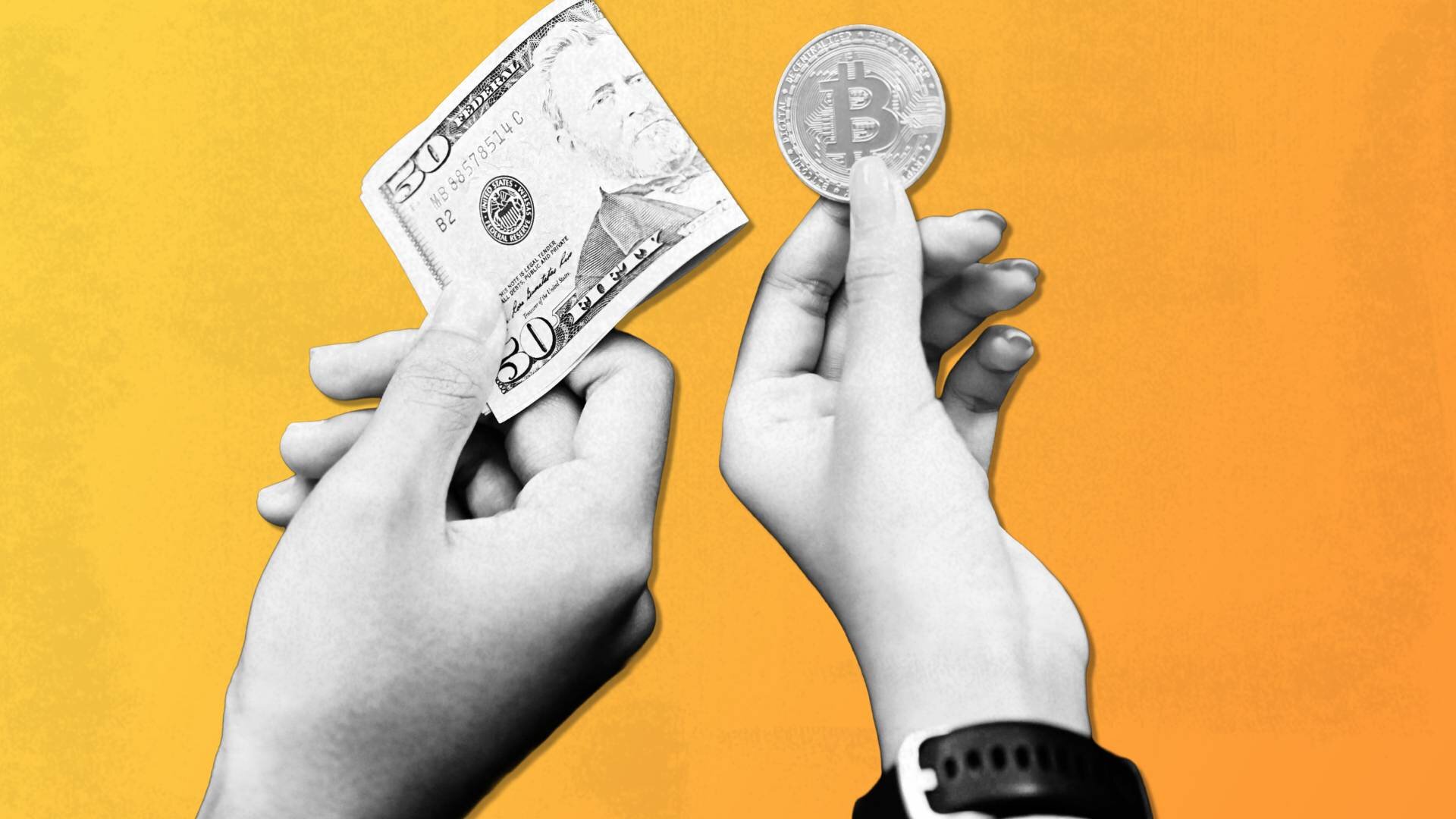
The drop in Bitcoin crypto-margined futures to just 12% of total open interest marks a fundamental shift in market structure, moving away from the high-risk dominance of previous cycles. In the past, the majority of traders used Bitcoin itself as collateral for their futures positions. By shifting toward cash-settled or stablecoin-margined products, the market has reduced the threat of 'margin spirals,' where a price drop simultaneously triggers liquidations and reduces the value of the remaining collateral, leading to further selling.
This transition reflects a maturing market and the growing influence of U.S. institutional participants who favor USD-denominated margins for better risk management. While the total dollar value of bets placed on Bitcoin remains high—indicating that bullish and bearish sentiment is still heavily leveraged—the underlying plumbing of the market has become more resilient. The move suggests that the 'wild west' era of crypto-collateralized dominance is being replaced by a more standardized financial framework similar to traditional commodities.
For active traders, this means that while short squeezes are still possible, they may be less explosive and more driven by spot price action rather than automated liquidation chains. When collateral is held in stablecoins like USDT or USDC, a 10% flash crash in Bitcoin doesn't automatically erode the trader's margin health in the same way it would if their collateral was also denominated in BTC. This creates a slightly more stable environment for price discovery, even during periods of high volatility.
Investors should watch for whether this 12% level represents a permanent floor or if a sudden return to crypto-margined products signals a return to high-risk retail speculation. Additionally, as U.S. regulators continue to scrutinize offshore exchanges where crypto-margined products are most common, the continued migration toward stablecoin-collateralized trading on regulated platforms is likely to persist, further insulating the market from systemic liquidation risks.