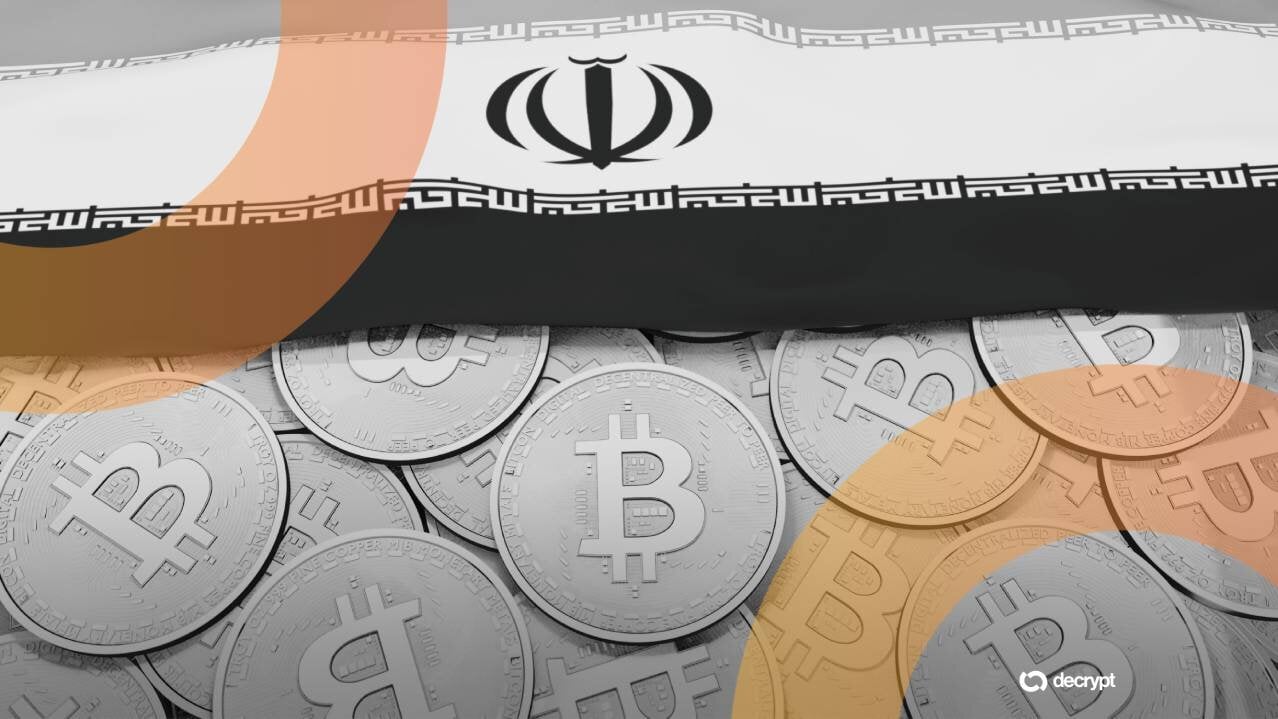
The US Treasury Department has expanded its sanctions authority to include anyone operating in Iran’s digital asset sector, effectively treating cryptocurrency as a primary target for economic pressure. Under a new initiative dubbed 'Economic D-Day,' the Treasury added digital assets to a list of critical industries—including aviation, gold, shipping, and technology—that are now subject to strict oversight. This allows the Office of Foreign Assets Control (OFAC) to designate and block the assets of any person or business facilitating crypto-related activities within the Iranian jurisdiction.
This escalation represents a significant shift in how the US views the intersection of national security and decentralized finance. By categorizing the entire crypto sector as a target, the US government is signaling that it will no longer focus solely on individual bad actors or specific wallets, but rather on the infrastructure of the Iranian crypto ecosystem itself. The Treasury’s goal is to prevent the Iranian government from utilizing mining operations and digital exchanges to generate revenue or move capital across borders outside of the reach of the US dollar-based financial system.
For the global crypto market, this move necessitates immediate compliance adjustments. International exchanges and service providers must now exercise extreme caution to ensure no Iranian entities are utilizing their platforms, as even indirect involvement could trigger secondary sanctions. The risk of being cut off from the US financial system serves as a powerful deterrent for global firms that might otherwise consider facilitating transactions for Iranian users or mining pools.
Looking ahead, investors and compliance officers should watch for specific OFAC designations of Iranian-based exchanges or large-scale mining operations. This regulatory development sets a clear precedent for how the US may handle other sanctioned nations that attempt to leverage blockchain technology for sanctions evasion. As the Treasury tightens its grip, the friction between geopolitical enforcement and the borderless nature of crypto will likely intensify.