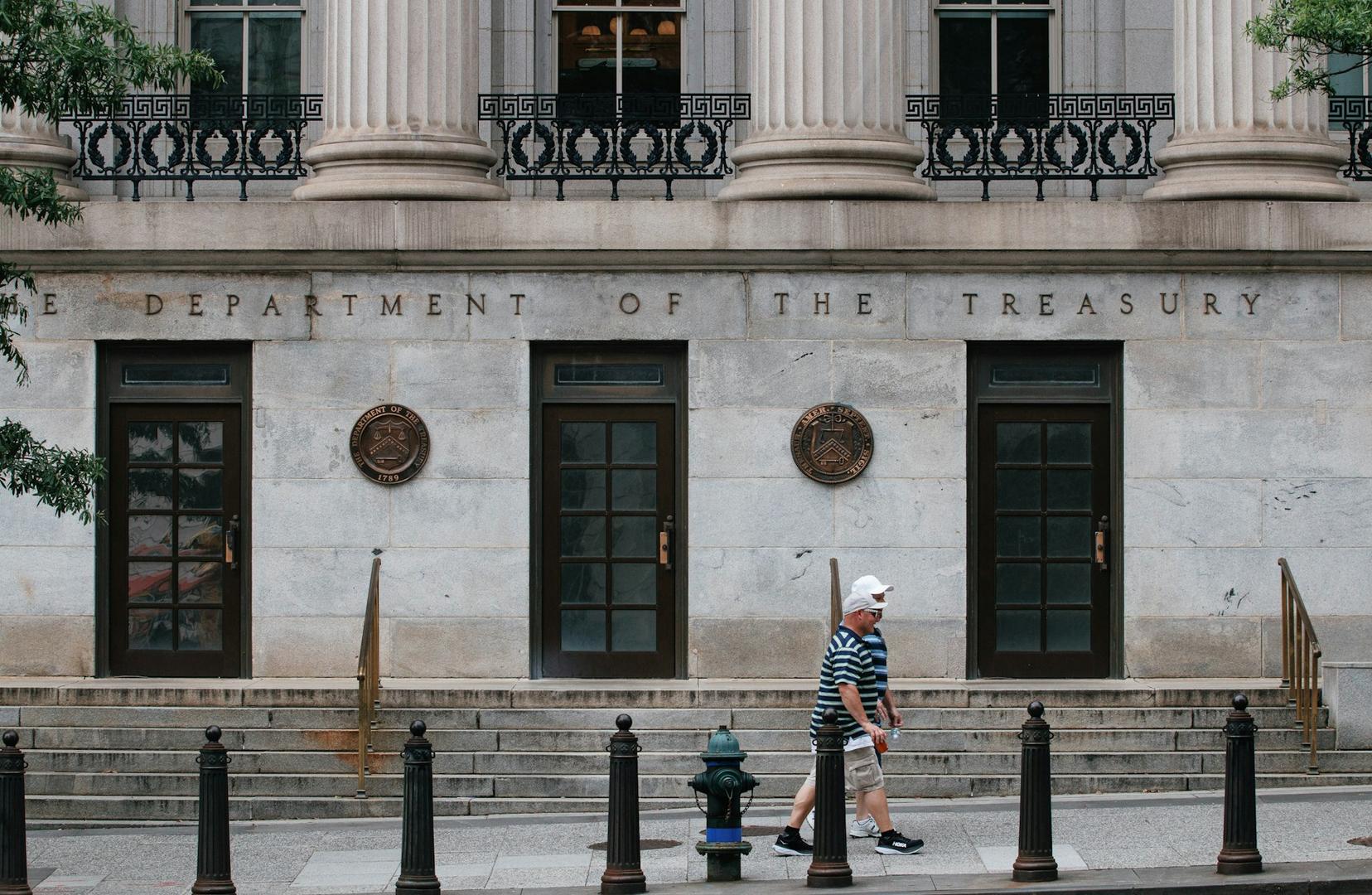
Ivan Obukhov facilitated the transfer of over $100 million in cryptocurrency to support oil sales for the IRGC-QF, a sanctioned Iranian military entity. By leveraging the pseudonymity of digital assets, Obukhov managed a sophisticated financial pipeline that converted illicit oil revenues into usable capital, allowing the Iranian regime to evade U.S. sanctions. The Treasury Department has now blacklisted Obukhov as part of a broader effort to cut off the IRGC-QF's access to international markets, including the gold, shipping, and technology sectors.
The Treasury Department’s Office of Foreign Assets Control (OFAC) identified that these transactions occurred primarily between 2023 and the present. This crackdown highlights the increasing sophistication of state-sponsored actors using decentralized and traditional financial hybrid models to move value across borders. By targeting specific facilitators like Obukhov, the U.S. government is signaling that cryptocurrency is no longer a blind spot in its sanctions enforcement strategy against the Iranian government.
This move is part of a wider U.S. initiative to dismantle the financial infrastructure supporting Iranian-backed militant groups. Beyond crypto, the Treasury has expanded its scope to include entities involved in the trade of gold and the procurement of advanced electronics. For the crypto industry, this underscores the intensifying pressure on exchanges and over-the-counter (OTC) desks to enhance their Know Your Customer (KYC) and Anti-Money Laundering (AML) protocols to detect state-linked illicit flows.
Looking ahead, investors and compliance officers should monitor for further OFAC designations targeting third-party facilitators in Russia or the Middle East who assist Iran. The inclusion of shipping and technology sectors suggests that the U.S. will continue to use a multi-pronged approach to isolate the IRGC-QF. As regulatory scrutiny tightens, we may see more stringent monitoring of cross-border stablecoin transfers and high-volume crypto wallets associated with high-risk jurisdictions.