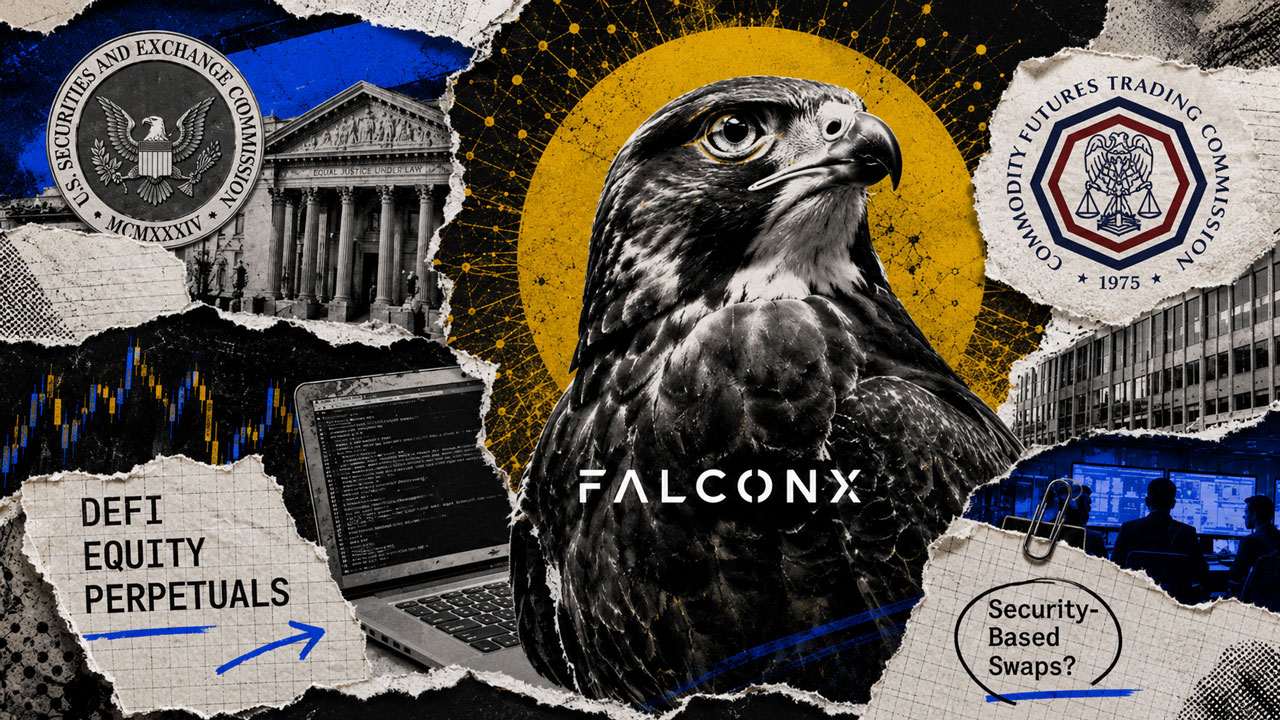
FalconX’s proposal to the SEC seeks to bring DeFi-based single-stock perpetual contracts under the agency's swap rules, effectively subjecting these synthetic assets to the same oversight as traditional equity derivatives. By classifying these products as security-based swaps, the SEC would gain the authority to regulate how they are issued, traded, and reported, ensuring they align with the protections mandated for the broader U.S. financial markets. The move specifically targets contracts that currently exist outside the joint listing regime shared by the SEC and CFTC.
The push for regulatory inclusion comes as DeFi protocols increasingly offer perpetual swaps—derivatives without an expiration date—that track the price movements of major U.S. equities like Apple or Tesla. FalconX, a major crypto prime broker, argues that these assets are functional equivalents to traditional securities and should not bypass federal oversight simply because they trade on a blockchain. This request highlights the growing tension between the permissionless nature of DeFi and the U.S. government's goal of maintaining market integrity.
From a regulatory standpoint, this proposal aligns with SEC Chair Gary Gensler’s frequent assertions that most synthetic crypto assets are securities. If the SEC adopts FalconX’s recommendation, it would likely force decentralized platforms to register their products or face enforcement actions. For institutional players, however, this clarity is a necessary step to provide their clients with compliant access to crypto-native derivative markets, which currently carry high legal risks.
Market participants should watch for a formal response or a notice of proposed rulemaking from the SEC, as this could signal a major shift in how the U.S. handles decentralized derivatives. If successful, this could lead to a "regulated DeFi" model where only KYC-compliant protocols are allowed to offer stock-based perpetuals to U.S. residents. Traders should also monitor for potential delistings of these products on offshore or unregulated platforms as the SEC intensifies its scrutiny of synthetic equity trading.