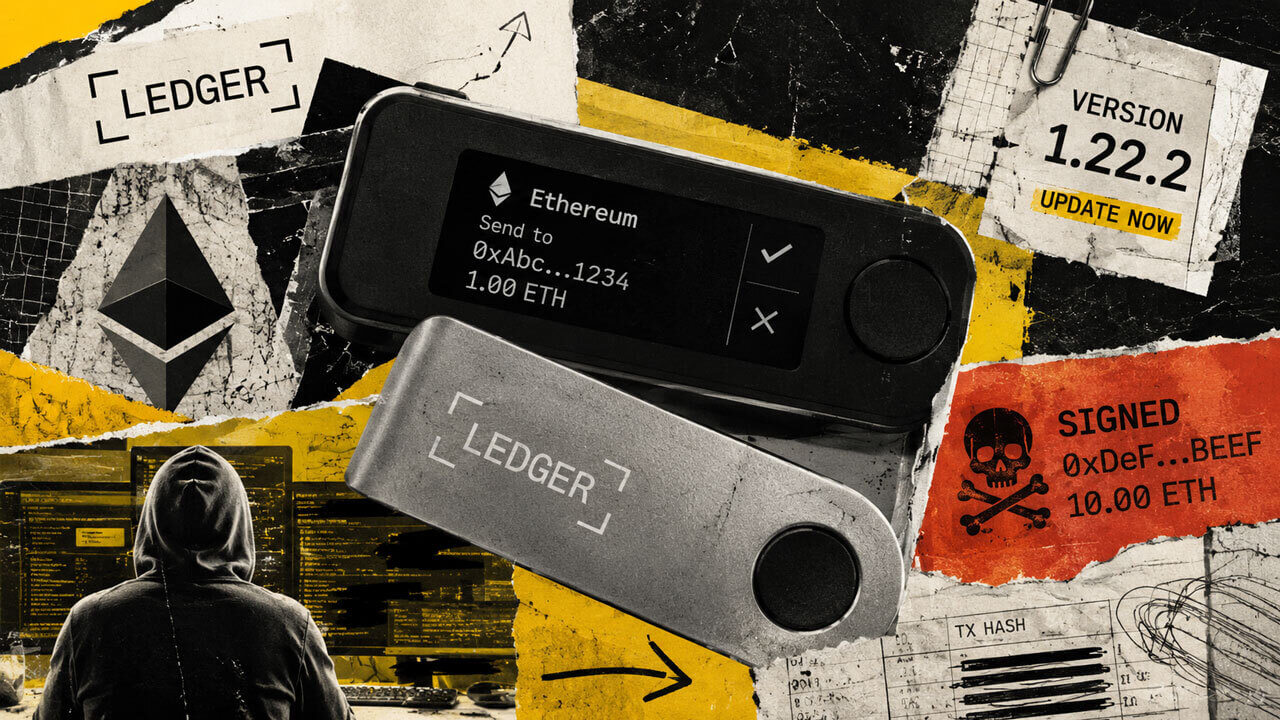
Ledger has addressed a critical security vulnerability in its Ethereum application by releasing version 1.22.2, which implements two new signing-state safeguards. This update directly prevents a 'transaction substitution' exploit where a user might see legitimate transaction details on their device screen but unknowingly sign a fraudulent transaction. By hardening the communication between the wallet's secure element and the display, Ledger aims to uphold the 'What You See Is What You Sign' (WYSIWYG) standard that hardware wallet users rely on for cold storage security.
The vulnerability centered on the risk that the data path could be manipulated, leading to a discrepancy between the user's intent and the actual cryptographic signature produced. While Ledger has integrated these safeguards across the app's architecture, the company noted that public physical validation of the specific substitution path fix is currently limited to the Ledger Flex device. This indicates a phased approach to hardware-level verification for this particular security enhancement.
For U.S. crypto investors and DeFi participants, this patch is a vital reminder of the ongoing arms race between hardware manufacturers and potential exploits. Security researchers have long warned about the risks of 'blind signing,' and this patch represents a proactive step to prevent sophisticated man-in-the-middle attacks that could drain Ethereum-based assets. It highlights the importance of keeping hardware wallet firmware and individual blockchain applications updated to the latest versions.
Moving forward, Ledger users should immediately update their Ethereum application via Ledger Live to ensure these new protections are active. The industry will likely watch for similar updates across other EVM-compatible apps on the platform. As hardware wallets remain the gold standard for U.S. retail and institutional self-custody, maintaining the integrity of the device display is paramount to preventing high-value theft in the increasingly complex DeFi ecosystem.