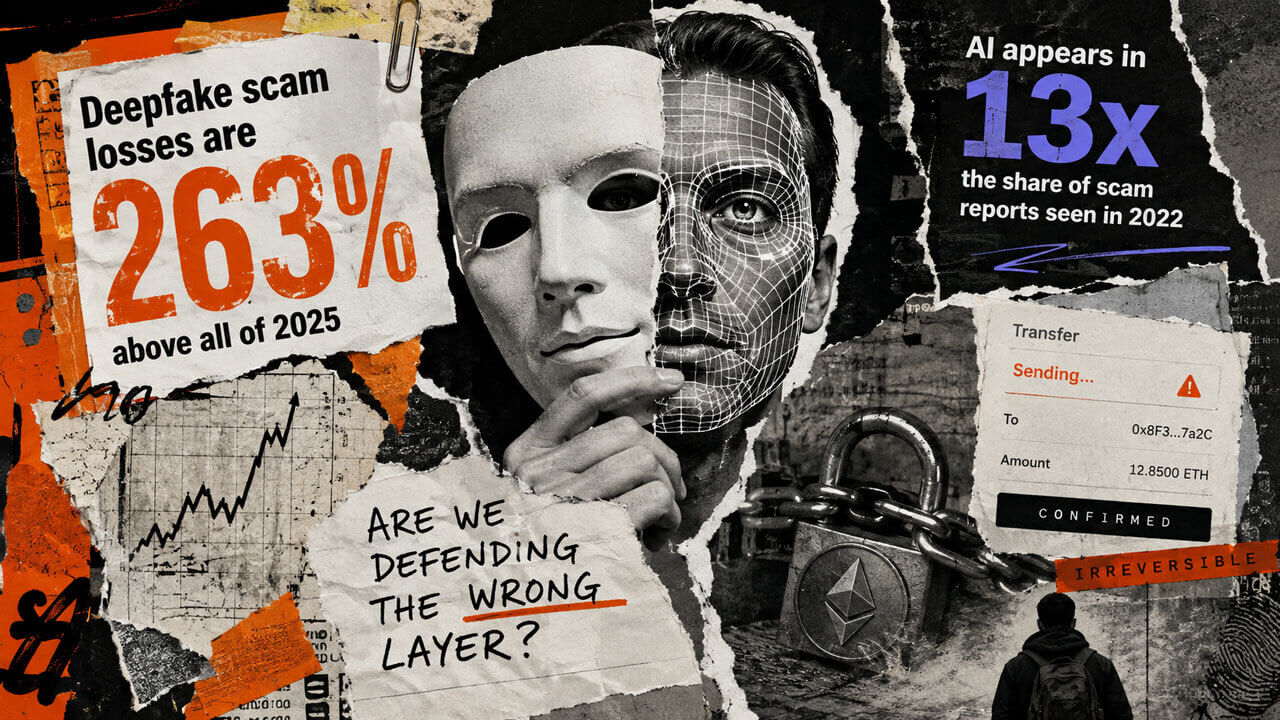
AI scammers are increasingly targeting crypto transaction signing and recovery processes because it is significantly easier to manipulate a human than to crack modern wallet encryption. By utilizing generative AI to create high-fidelity phishing scripts, deepfake voices, or convincing support personas, attackers persuade users to voluntarily approve smart contract interactions or send payments. This approach effectively turns the user's own authorization into the tool for the theft, rendering traditional technical safeguards like multi-sig or hardware storage less effective if the user is convinced the transaction is legitimate.
This evolution in cybercrime highlights a maturing security landscape where software and hardware wallets have become harder to 'hack' in the traditional sense. Consequently, the pressure point for security has landed squarely on the user's interaction with the blockchain. Scammers are now focusing on the moment of signing, recovery phrase management, and payment confirmation. AI allows these bad actors to scale personalized attacks at a fraction of the previous cost, making social engineering the most potent threat to retail crypto holders in the United States.
From a regulatory and market perspective, this trend may accelerate the demand for 'smart' wallet features that provide clearer transaction previews and AI-driven risk scores. As the human layer becomes the primary attack vector, US regulators like the CFPB and SEC may increase scrutiny on how wallet providers protect users from fraudulent intent, even when a transaction is technically authorized. This shift could lead to new standards for decentralized application (dApp) interfaces and recovery services to mitigate the impact of AI-generated deception.
Moving forward, investors should watch for the implementation of intent-based security protocols that flag suspicious contract signatures before a user confirms them. As AI technology continues to advance, the crypto industry must pivot from simply protecting private keys to verifying the legitimacy of the user's intent. The upcoming months will likely see an arms race between AI-driven phishing bots and AI-powered security filters within popular browser extension wallets and mobile platforms.