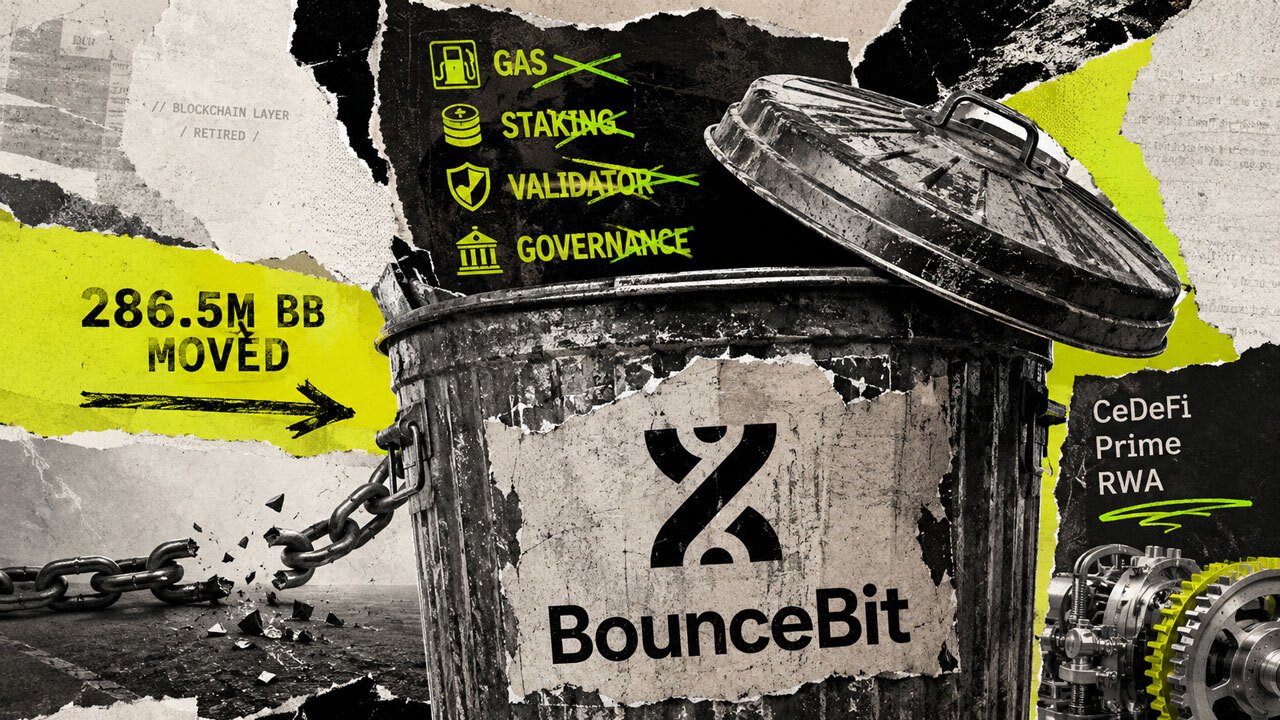
The BounceBit 1:1 token reissue will preserve the number of units held by users but effectively resets the token’s functional ecosystem. Currently, the BB token’s core utilities—including its use for gas fees, staking, earning rewards, and participating in governance—are on hold until the project establishes a new economic role for the reissued assets. This drastic measure was taken to protect the integrity of the network after a critical authorization vulnerability allowed the unauthorized exposure of 286 million tokens, which could have led to a catastrophic market collapse if liquidated.
The incident began when developers identified a flaw in the protocol's authorization logic, prompting an immediate shutdown of the BounceBit chain to prevent the movement of the exposed tokens. By opting for a 1:1 reissue rather than a simple patch, the team aims to completely migrate the community to a secure, untainted ledger. This move is designed to ensure that the 286 million tokens identified in the flaw are excluded from the new circulating supply, effectively neutralizing the exploit’s impact on long-term holders.
For US-based investors and the broader crypto market, this event highlights the persistent risks within the 'CeDeFi' (Centralized-Decentralized Finance) niche, where complex bridge and staking mechanisms often create unique attack vectors. While the proactive shutdown prevented a direct theft of user funds, the resulting 'utility vacuum' poses a challenge for the project’s reputation. Regulatory bodies in the US often scrutinize such technical failures as evidence of the need for stricter custodial and smart contract standards in the digital asset space.
Moving forward, stakeholders should closely monitor the project’s timeline for re-enabling network services. The transition to the new economic model will be the ultimate test of investor confidence, as the team must redefine how staking yields and governance rights will be distributed. Until the chain resumes full operations and the new token contract is fully integrated into exchanges and DeFi protocols, the BB token remains a high-risk asset with limited immediate functionality.