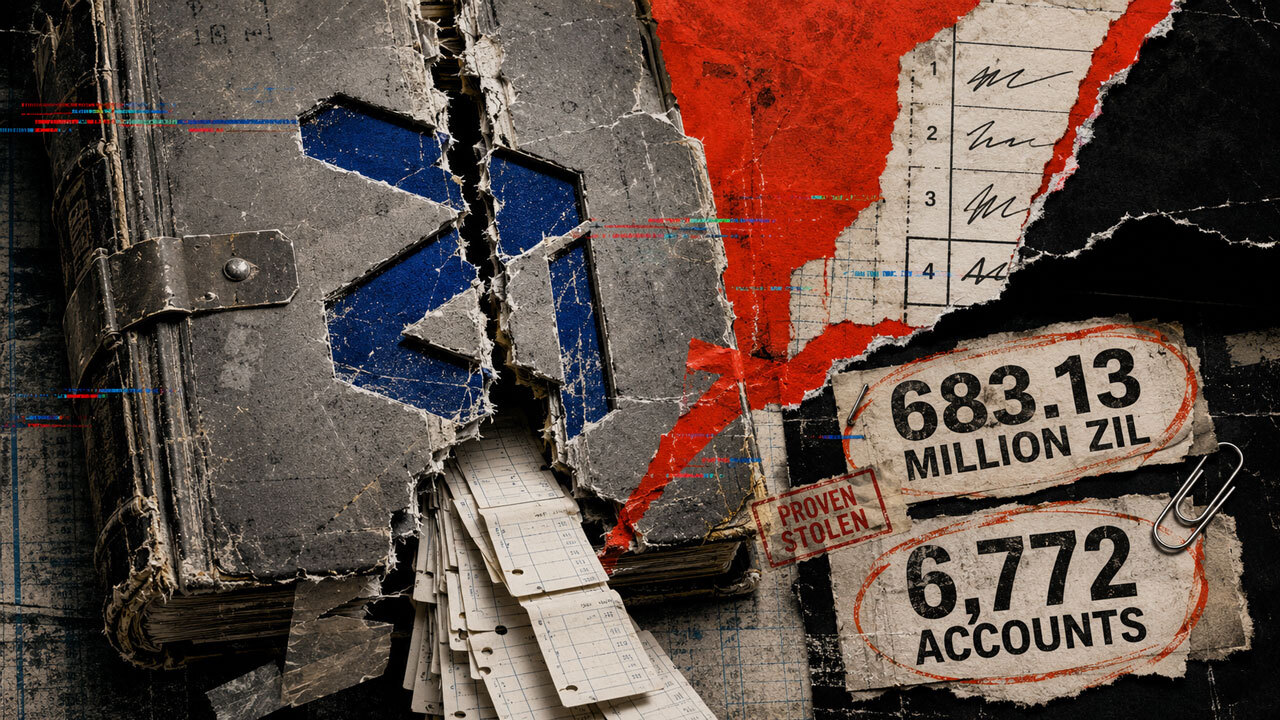
A fundamental flaw in how certain hardware wallets generate cryptographic entropy led directly to the theft of 683.13 million ZIL. By discarding essential randomness during the private key generation process, the affected hardware devices produced weakened keys that attackers could eventually expose and compromise. This allowed unauthorized access to funds that users believed were securely stored in cold storage, bypassing the traditional security expectations of air-gapped hardware.
Zilliqa’s detailed post-mortem revealed that the exploit was exacerbated by a bulk scan that omitted the 'four-signature floor,' a specific technical threshold that might have otherwise flagged the anomalous activity. The investigation confirms that 683.13 million ZIL were stolen, marking one of the most significant losses tied to a hardware-level entropy issue in recent years. The vulnerability underscores the fact that even physical wallets are susceptible to firmware-level defects that can compromise the entire derivation path of a user's assets.
For US-based crypto investors and self-custody advocates, this event serves as a stark reminder that the 'not your keys, not your crypto' mantra assumes the keys were generated correctly in the first place. As US regulators like the SEC continue to scrutinize the safety of digital asset custody, incidents involving hardware failures may lead to increased pressure for standardized audits of hardware wallet firmware and Random Number Generators (RNG). This shift could change how manufacturers market 'unhackable' devices to American consumers.
Moving forward, Zilliqa stakeholders and the broader crypto community should monitor for firmware updates from major hardware wallet providers to ensure their devices are not using the flawed entropy logic. The market impact on ZIL remains bearish as the ecosystem processes the loss of funds, though Zilliqa’s transparency in the post-mortem is intended to restore long-term trust. Investors should also watch for any coordination between Zilliqa and major exchanges to blacklist the stolen funds and prevent their liquidation.