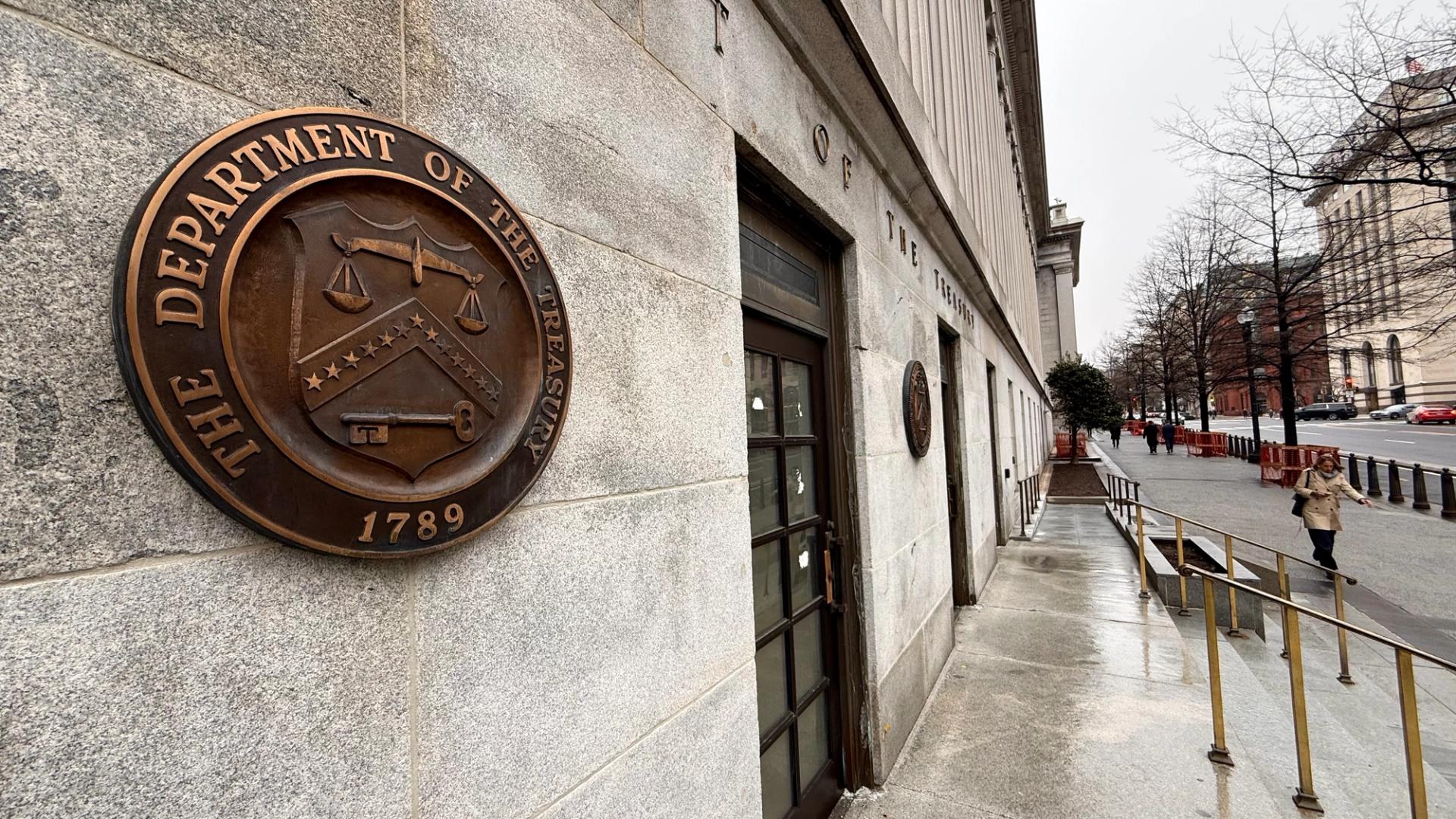
As of August 24, 2026, Bitcoin bulls are increasingly pointing to 'financial repression' as the most significant macro catalyst for a sustained BTC price rally. Financial repression occurs when governments implement policies, such as capping interest rates below the rate of inflation or enforcing capital controls, to reduce the real value of their debt at the expense of savers. In this environment, investors are seeking 'hard assets' that exist outside the traditional banking system, positioning Bitcoin as a primary beneficiary of capital flight from devaluing fiat currencies.
The current focus on this narrative follows a period of mounting global debt and persistent fiscal deficits that have left central banks with limited tools. By keeping nominal yields low while inflation remains elevated, the real purchasing power of cash and government bonds is eroded. Crypto analysts argue that this creates a 'forced' demand for Bitcoin, as it remains one of the few liquid, globally accessible assets with a transparent, non-discretionary monetary policy that cannot be altered by central bank intervention.
From a market perspective, this shift in sentiment indicates a transition for Bitcoin from a high-risk speculative asset to a defensive necessity for wealth preservation. If inflation data continues to outpace bond yields through the remainder of 2026, the 'bull case' for Bitcoin is likely to strengthen as institutional portfolios rebalance away from negative-yielding real assets. This trend reflects a broader geopolitical move toward decentralization as a response to centralized economic mismanagement.
Investors should closely monitor the upcoming Federal Reserve and European Central Bank meetings for signals regarding interest rate trajectories for late 2026. Any indication that real interest rates will remain deeply negative for the foreseeable future will likely serve as further validation for the Bitcoin bulls' thesis. Watch for potential regulatory pushback as governments may attempt to limit the exit of capital into the digital asset ecosystem to maintain control over their domestic monetary policy.