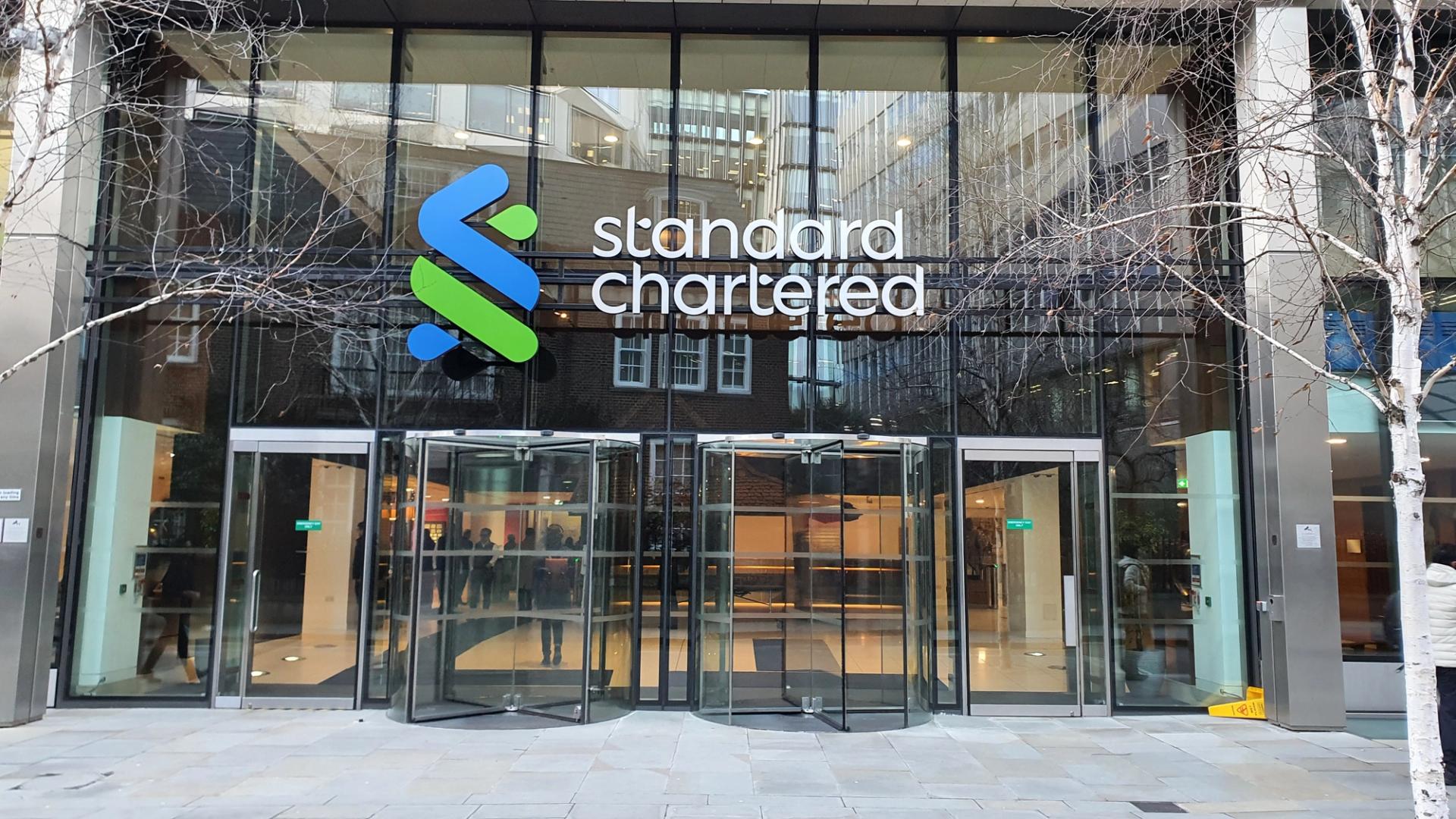
Standard Chartered is facilitating the distribution of Anchorpoint’s HKDAP stablecoin by offering the digital asset directly to its eligible institutional clients and strategic partners. As a London-based banking giant with approximately $850 billion in assets, Standard Chartered is utilizing its extensive financial network to act as a primary gateway for this Hong Kong dollar-pegged token. This initiative positions the bank as a pioneer in the regulated stablecoin space, providing a compliant pathway for users to interact with blockchain-based fiat representations.
The distribution of HKDAP occurs amid a concerted effort by Hong Kong regulators to establish the city as a global hub for virtual assets. By partnering with Anchorpoint, Standard Chartered is navigating the region's stringent stablecoin sandbox and licensing requirements, ensuring that the distribution meets local compliance standards. This development is a clear indicator that traditional financial institutions are moving beyond experimental phases and into the active deployment of digital currency solutions for settlement and liquidity management.
From a market perspective, the entry of a major bank into the stablecoin distribution chain reduces the perceived risk for institutional investors who have been hesitant to engage with unregulated digital assets. The HKDAP stablecoin provides a localized alternative to USD-pegged tokens, potentially lowering transaction costs and currency conversion friction for trade finance within the Asia-Pacific region. This could trigger a shift in how regional liquidity is managed, moving away from traditional wire transfers toward near-instantaneous blockchain settlements.
Moving forward, market participants should watch the adoption rates of HKDAP among Standard Chartered’s corporate clients to see if it gains meaningful traction against dominant stablecoins like USDT or USDC. Additionally, the industry should look for similar moves from other global banks, as Standard Chartered’s success could serve as a blueprint for how multinational lenders integrate non-USD stablecoins into their global product offerings.