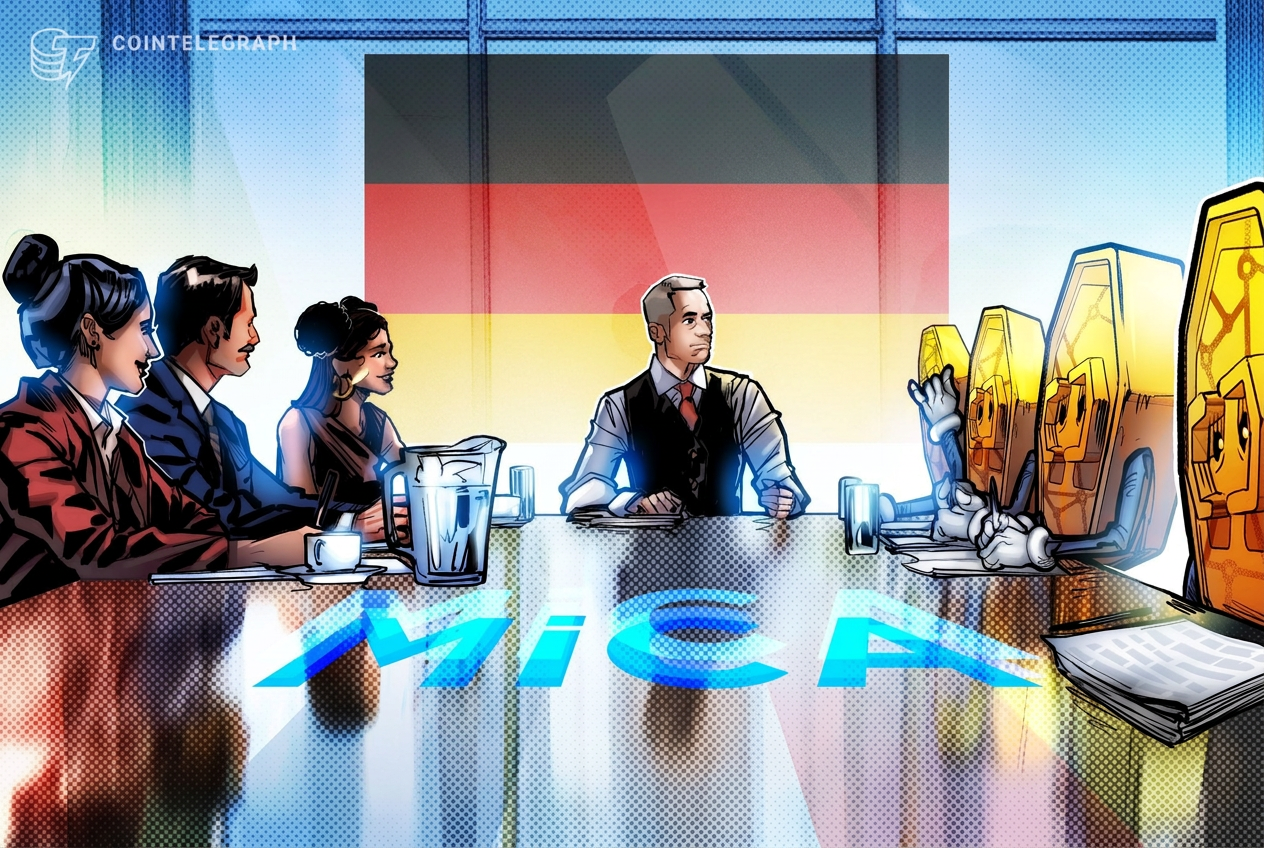
Germany is currently the leading jurisdiction for crypto asset service providers within the European Union under the Markets in Crypto-Assets (MiCA) framework. With the recent addition of six banks to the national register, Germany now boasts 79 authorized entities. This puts the country significantly ahead of neighboring crypto hubs like France and the Netherlands, establishing a dominant regulatory foothold as the EU transitions into the full implementation of MiCA guidelines.
The expansion comes as the European Securities and Markets Authority (ESMA) continues to update its unified register to ensure cross-border compliance. The inclusion of traditional banking institutions reflects Germany’s long-standing proactive stance on digital asset legislation, which predates the broader EU-wide mandate. By allowing established banks to integrate crypto services into their existing portfolios, German regulators are bridging the gap between legacy finance and the burgeoning digital asset economy.
For US-based investors and firms, Germany’s lead serves as a vital signal for institutional adoption trends. The fact that the growth is being driven by commercial banks—rather than just crypto-native startups—suggests that institutional-grade custody and brokerage are becoming standardized in Europe. This provides a stable environment for capital entry, potentially drawing liquidity toward German-regulated platforms and away from slower-moving jurisdictions within the Eurozone.
Moving forward, market participants should watch how France and the Netherlands respond to Germany’s regulatory momentum. While Germany currently holds the lead, the passporting rights granted under MiCA mean that these 79 providers will soon be able to offer services across the entire 27-member bloc. Investors should also monitor whether US regulators look to the German model of bank-integrated crypto services as a blueprint for domestic institutional oversight.