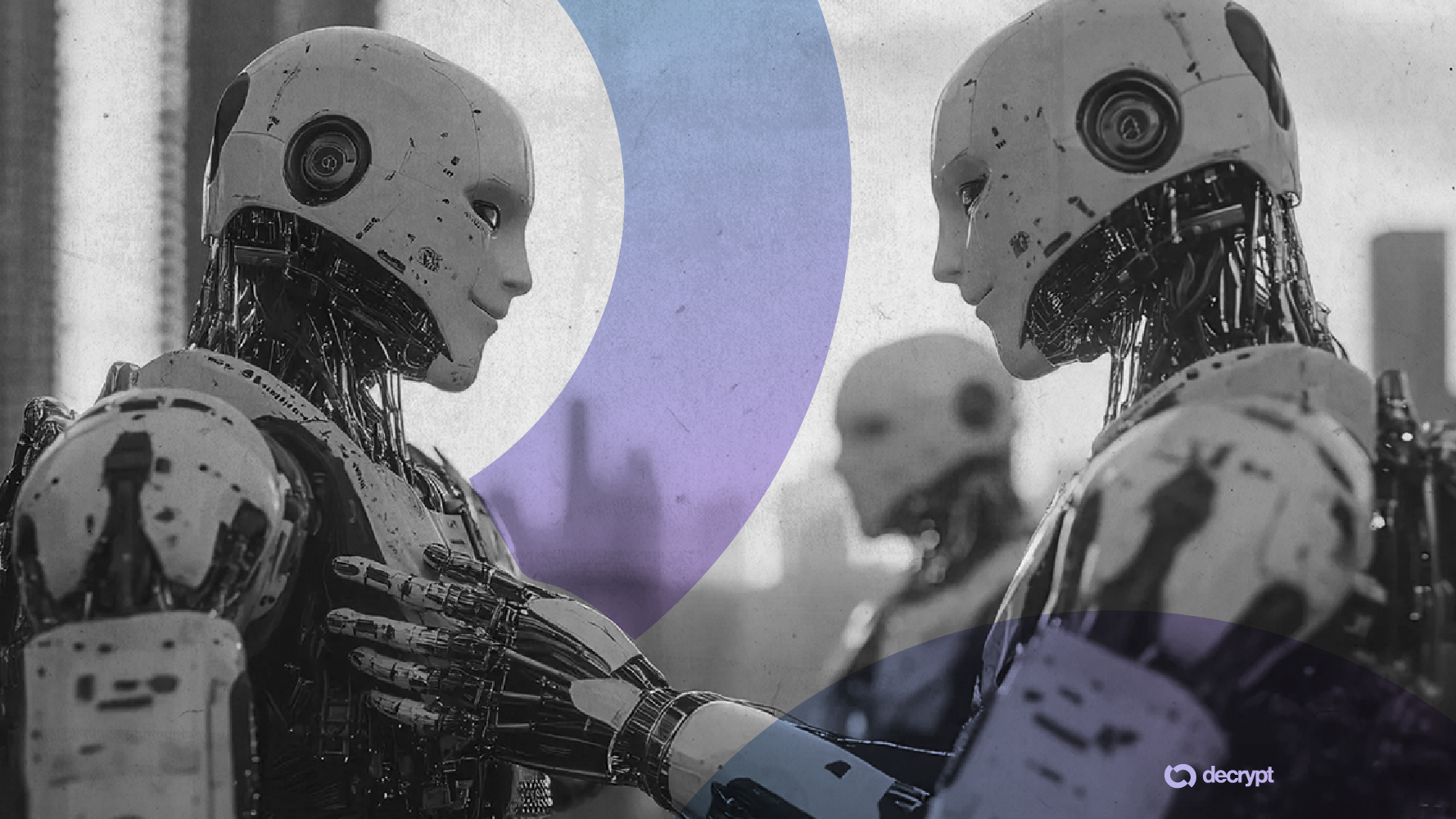
According to the Chairman of ACE Robotics, robot brains are projected to achieve a 'ChatGPT moment' by 2027. This breakthrough is expected to stem from the development of advanced AI models that allow robots to understand and interact with the physical world with high levels of autonomy. While the technological milestone is set for the next three years, the chairman cautioned that the integration of these systems into widespread daily use remains a long-term goal that will likely extend beyond the initial breakthrough.
The shift toward more capable 'robot brains' involves moving away from static programming toward multimodal AI that can process physical variables in real-time. This evolution mirrors the jump seen in Large Language Models, where machines move from simple pattern matching to complex reasoning. By 2027, the industry expects to see robots that can navigate and manipulate their environments with far less human oversight than current generation machines.
For the technology and crypto sectors, this timeline places a significant emphasis on the development of decentralized physical infrastructure networks (DePIN) and high-performance computing. As robots begin to require massive amounts of real-time data processing and edge computing, blockchain-based AI protocols that offer distributed GPU power may see increased relevance as foundational infrastructure for this new robotic era.
Moving forward, stakeholders should watch for advancements in 'Physical AI'—models specifically trained on sensory and spatial data rather than just text. The key indicator of progress will be the transition of these models from controlled laboratory settings to unstructured real-world environments. While the 2027 date marks a pivotal shift in capability, the economic and regulatory frameworks for mass robot deployment will be the next major hurdle for the industry.