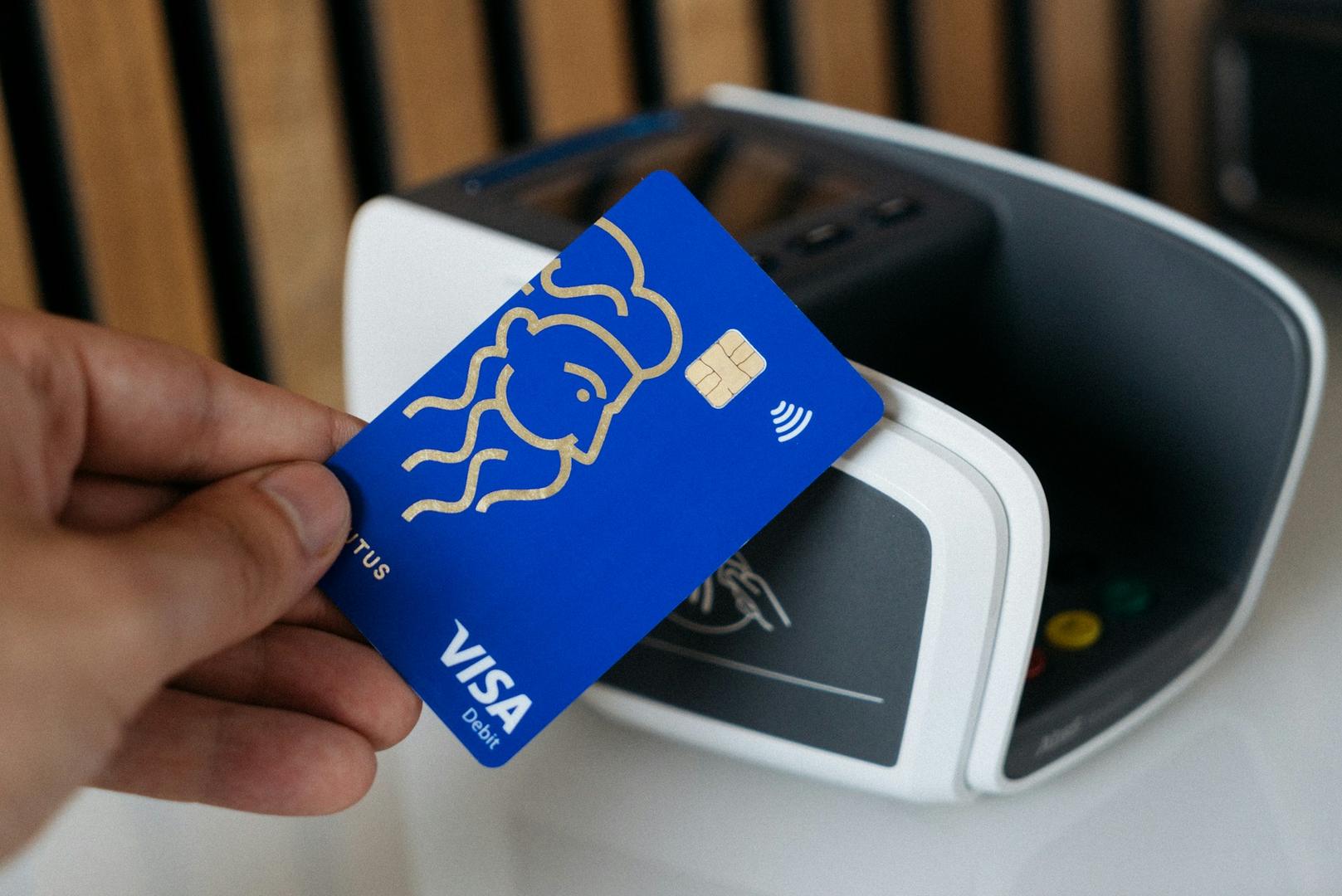
Crypto card spending has officially surpassed $1 billion in annual volume, a milestone driven primarily by the rising utility of stablecoins for daily transactions. Data shows that tracked card volume has more than tripled over the past year, with stablecoins like USDC and USDT now accounting for more than 70% of all spending. This indicates a significant behavioral shift among crypto holders, who are now using their digital assets to pay for routine expenses such as rideshares, grocery bills, and monthly digital subscriptions rather than just holding them for speculative gains.
The dominance of stablecoins in the payment sector highlights the market's preference for price stability when interacting with the traditional economy. Unlike Bitcoin or Ethereum, which are subject to high volatility, stablecoins allow users to maintain a predictable budget while benefiting from the speed and borderless nature of blockchain technology. This trend is particularly relevant for US consumers who are increasingly looking for ways to integrate their digital portfolios into their existing financial workflows without the friction of manual off-ramps to fiat.
From a regulatory and market perspective, this surge in spending volume reflects the successful integration of crypto-linked debit cards by major payment networks like Visa and Mastercard. As these legacy financial giants continue to partner with crypto exchanges and fintech firms, the barrier between decentralized finance and retail commerce is thinning. The growth in volume suggests that the infrastructure for a 'crypto-circular economy' is maturing, even as broader market volatility fluctuates.
Moving forward, investors and industry observers should watch for potential legislative developments regarding stablecoin regulation in the US. Clearer guidelines could further accelerate this adoption by providing banks and payment processors with the legal certainty needed to expand crypto card offerings. Additionally, as more merchants begin to accept stablecoin-backed cards, the total addressable market for everyday crypto payments is expected to continue its upward trajectory throughout the coming year.