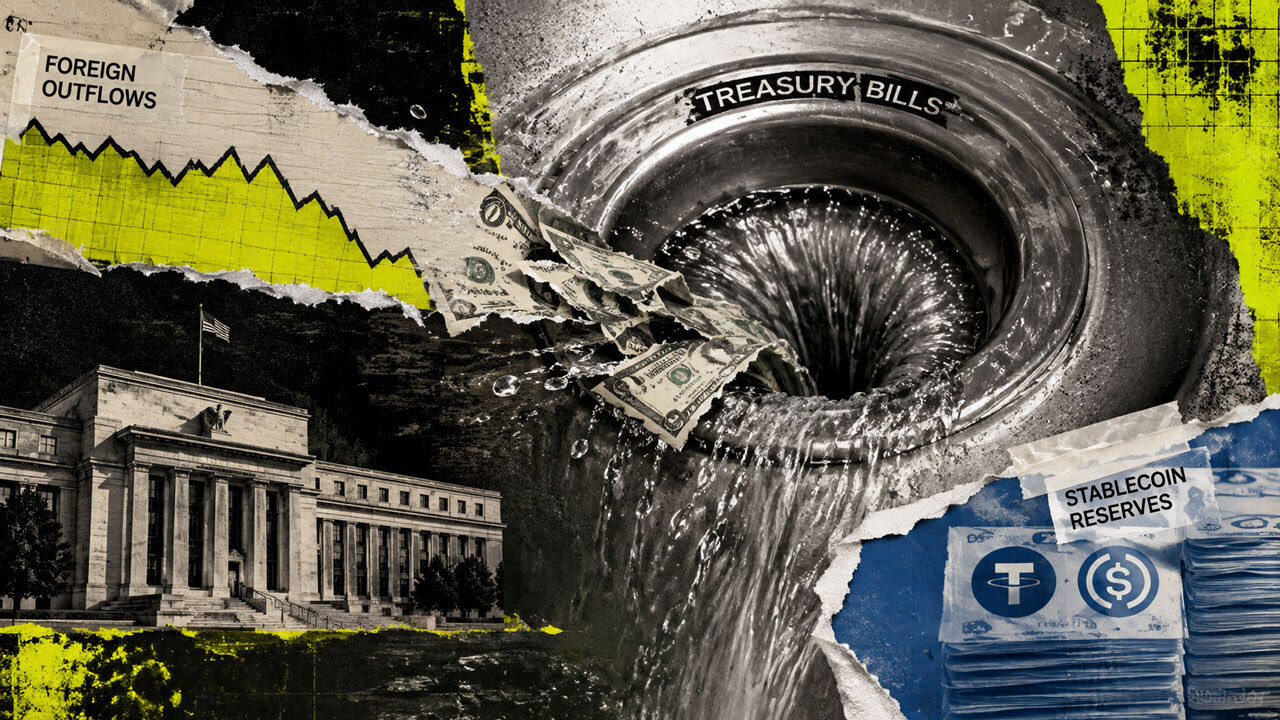
Washington is exploring stablecoin issuers as a new pillar of support for US Treasury bills to offset declining demand from traditional foreign investors. Recent data shows a net outflow of $29 billion in Treasury bills from foreign sources in June, even as overall investment in US stocks rose. Stablecoin providers like Tether (USDT) and Circle (USDC) already hold billions in Treasuries to back their digital tokens, making them natural candidates to fill the liquidity gap left by international central banks and private investors.
The pivot comes at a time when traditional buyers are diversifying away from US sovereign debt. While foreign investors pumped $133.5 billion into US financial markets overall in June, their appetite for government debt weakened significantly. By contrast, the combined holdings of major stablecoin issuers already rank them among the top holders of US Treasuries globally. US policymakers are recognizing that these firms provide a reliable, domestic-adjacent source of demand that helps maintain the dollar’s dominance in a shifting geopolitical landscape.
This trend could have profound implications for the crypto market, specifically regarding the legislative path for the "Clarity for Payment Stablecoins Act." If the US government begins to rely on stablecoin issuers to fund its deficit, it creates a powerful incentive for Congress to pass clear regulatory frameworks that legitimize these assets. For investors, this adds a layer of systemic importance to stablecoins, potentially reducing the risk of a heavy-handed regulatory crackdown that would inadvertently destabilize the Treasury market.
Moving forward, market participants should watch for upcoming Treasury Department reports and statements from the House Financial Services Committee regarding stablecoin backing requirements. Any legislative move to formalize the role of stablecoin reserves in the Treasury market would be a major signal of institutional adoption. Additionally, the monthly Treasury International Capital (TIC) data will be a key indicator of whether foreign divestment continues, further increasing the US government's reliance on the crypto sector to support its debt obligations.