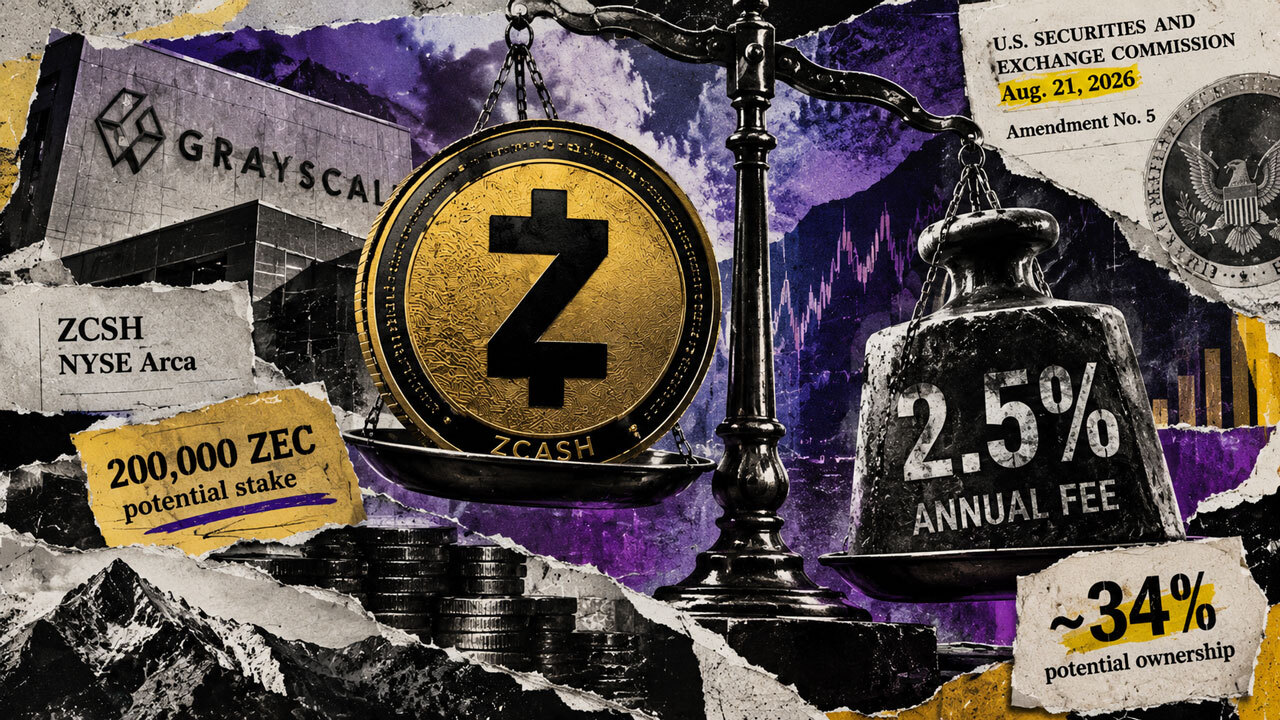
Grayscale has proposed a 2.5% annual sponsor fee and a potential 34% ownership stake for Digital Currency Group (DCG) International in its latest Zcash ETF filing. Based on a June 30 snapshot, a nonbinding contribution of 200,000 ZEC from DCG would result in the parent company controlling more than a third of the enlarged fund. This direct answer highlights the unique cost and ownership dynamics that distinguish this filing from more traditional crypto ETFs.
The 2.5% management fee is significantly higher than the fees associated with recently approved spot Bitcoin and Ethereum ETFs, which often range between 0.15% and 0.30%. This premium pricing suggests that Grayscale is positioning the Zcash ETF as a specialized institutional product rather than a mass-market retail offering. The high fee also reflects the complexities of managing a privacy-preserving digital asset within a regulated US framework.
From a regulatory perspective, the SEC may take a closer look at the concentrated ownership stake held by DCG. Having a single entity control 34% of the fund’s assets could raise questions regarding market manipulation risks and liquidity. For US-based investors, this level of concentration is atypical for exchange-traded products and could influence the fund's volatility and institutional appeal if the filing moves toward approval.
Market participants should watch for further amendments to the filing, specifically regarding how Grayscale addresses privacy coin concerns with US regulators. The success of this ETF would provide a major boost to Zcash (ZEC) visibility, but the combination of high fees and DCG’s heavy involvement remains a point of contention. Investors should monitor whether other issuers enter the privacy coin space with more competitive fee structures.