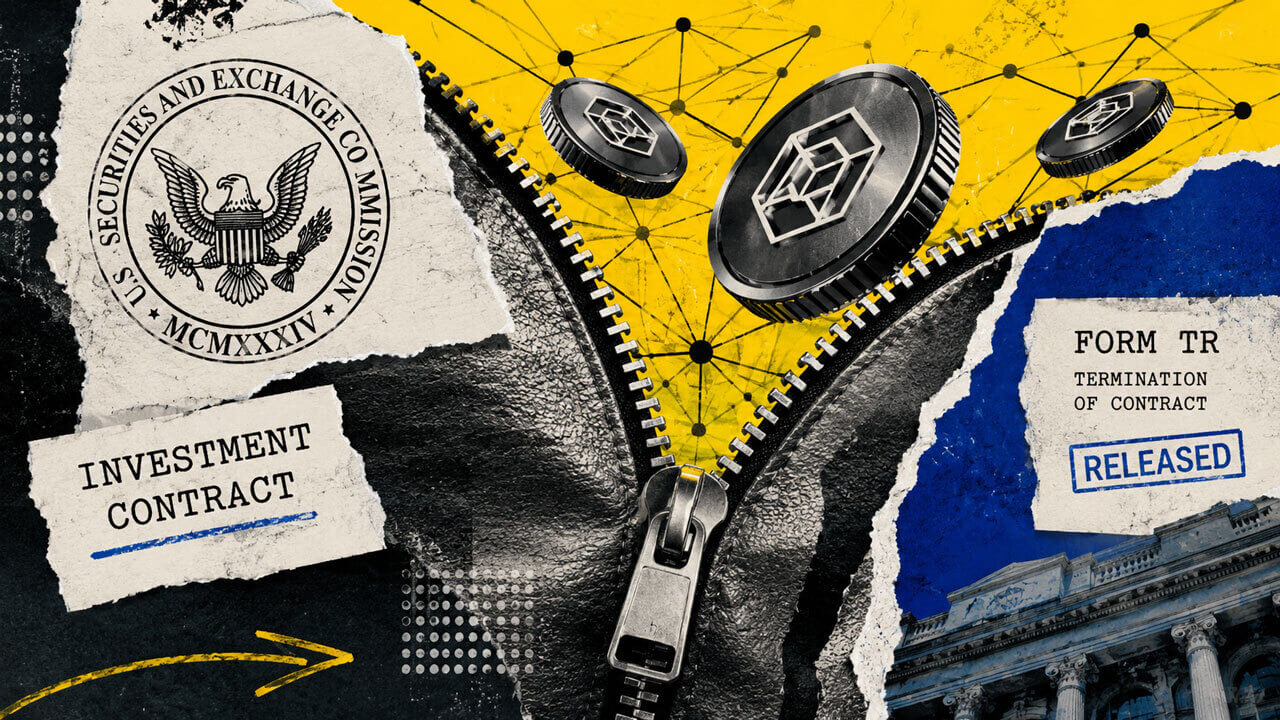
The SEC is proposing a specific regulatory pathway that allows crypto projects to raise up to $75 million for network development, with the eventual goal of ending the token’s status as a securities contract. By establishing this framework, the commission seeks to provide a legal bridge for teams to solicit capital when a token lacks immediate utility, while defining the conditions under which that token can transition into a non-security asset. This directly addresses the long-standing 'regulatory trap' where initial fundraising permanently labels a digital asset as a security regardless of its future decentralization.
This move appears to be an effort by the SEC to formalize the 'incubation' phase of blockchain protocols, drawing inspiration from existing Regulation A+ frameworks used in traditional finance. While the CFTC has already integrated established assets like Bitcoin perpetuals into its exchange framework, the SEC is now focusing on the earlier lifecycle of a project—specifically how a team can legally pay to build a network before the token is fully functional. The $75 million cap suggests a structured approach to small-scale capital formation tailored for the crypto industry.
For the US crypto market, this shift is significant as it moves away from 'regulation by enforcement' toward a proactive compliance model. Historically, the SEC has used the Howey Test to argue that most tokens are securities, leaving developers in a state of perpetual legal limbo. A clear exit ramp from a securities contract would allow US-based startups to attract domestic venture capital without the fear that their token will be restricted from secondary markets indefinitely.
Moving forward, market participants should watch for the specific metrics the SEC will use to determine when a securities contract ends. The criteria for 'sufficient decentralization' and 'functional utility' remain the most contentious points in crypto law. Furthermore, the industry will be looking for clarity on how these tokens will be handled by the CFTC once they graduate from their SEC-regulated fundraising phase, as this will determine the long-term trading environment for emerging altcoins.