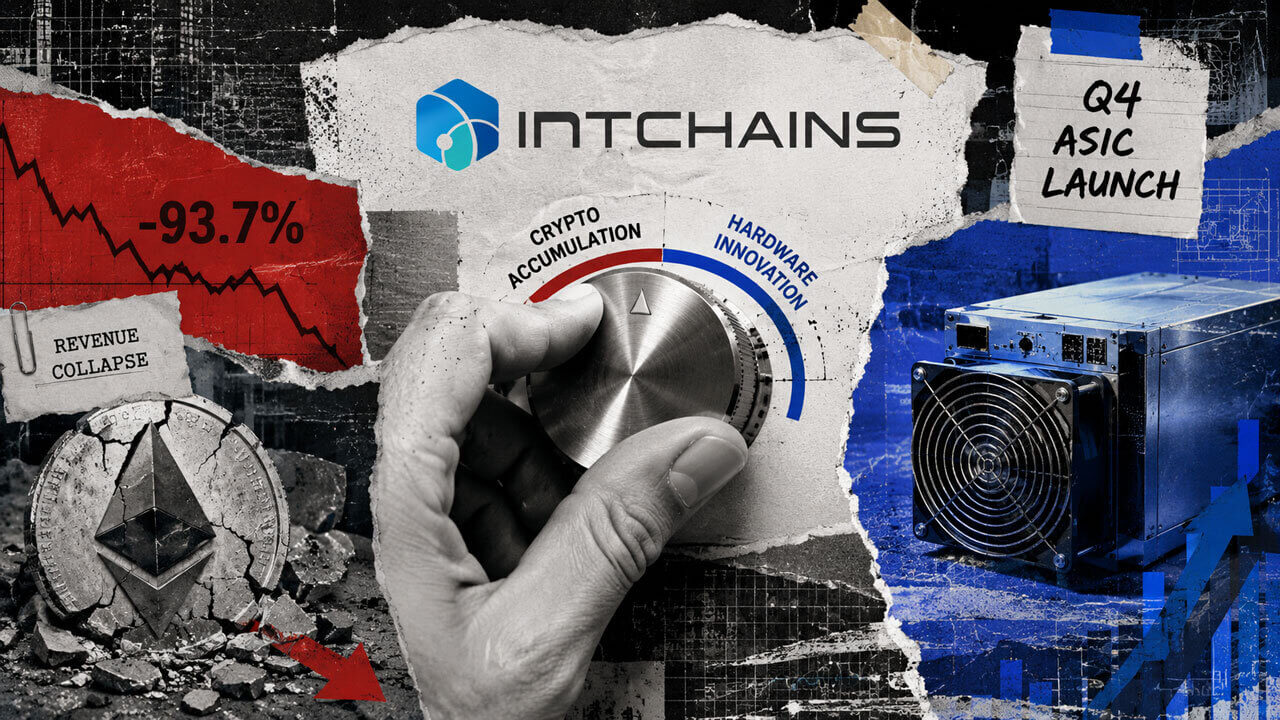
A prominent Nasdaq-listed cryptocurrency mining entity is signaling a fundamental shift in its corporate strategy, opting to halt its Ethereum acquisition program to focus on high-performance computing (HPC) and AI. The company reported that its H1 revenue was almost entirely driven by related-party inventory sales, suggesting a lack of organic market demand as it redirects its balance sheet toward the burgeoning AI sector.
This transition reflects a broader trend among North American miners who are seeking to hedge against crypto volatility by repurposing their energy-intensive infrastructure for AI data centers. However, the firm's capital position is currently strained by a still-unproven ASIC hardware launch, which has absorbed significant liquidity. This puts the company in a precarious position where its AI ambitions are dependent on the success of its proprietary mining tech.
From a market perspective, this pivot highlights the increasing 'compute war' between decentralized assets and centralized AI services. While the move aims to stabilize long-term cash flow, it reduces the number of public entities acting as 'HODLers' of Ethereum. For investors, this serves as a reminder of the operational risks inherent in the mining sector, particularly regarding hardware development cycles and inventory management.
Moving forward, traders should closely monitor the performance metrics of the new ASIC hardware and the company's ability to secure non-related-party contracts. Any further delays in the ASIC rollout could jeopardize the AI expansion, while successful integration of AI workloads could provide a blueprint for other struggling miners to follow in a post-Merge regulatory environment.