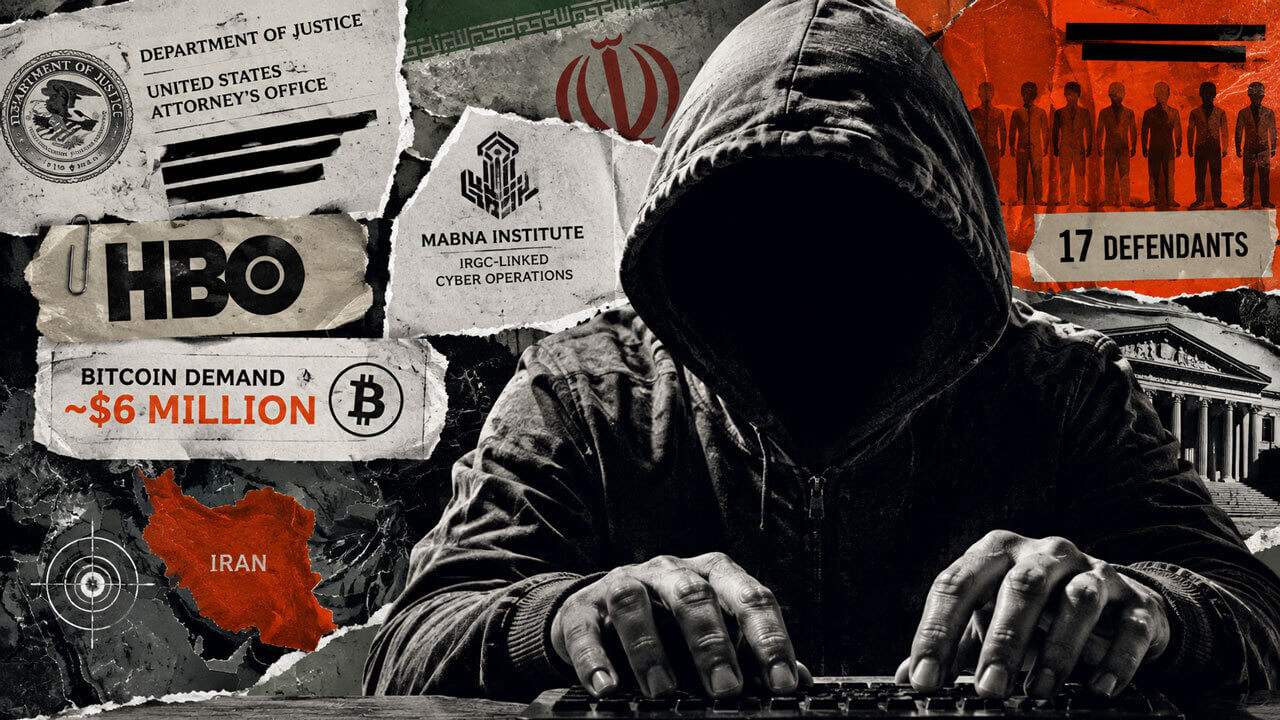
The U.S. Department of Justice has significantly expanded its prosecution against an Iranian hacking syndicate, now naming 17 defendants in a case stemming from a 2017 cyber-extortion plot against HBO. The group allegedly breached the premium network's infrastructure, stealing sensitive data and unaired content while demanding a $6 million ransom payable in Bitcoin. Although HBO reportedly refused to pay, the case remains a landmark example of state-linked actors targeting Western corporations via digital assets.
This development highlights the intensifying geopolitical clash between Washington and Tehran, particularly in the realm of cyber warfare. The expansion of this case signals that U.S. intelligence and law enforcement are becoming increasingly proficient at de-anonymizing legacy transactions to identify foreign operatives. It underscores a broader shift toward treating crypto-linked extortion as a matter of national security rather than mere financial crime.
From a market perspective, this enforcement action adds to the regulatory pressure on privacy and the perceived 'anonymity' of Bitcoin. While the removal of bad actors is fundamentally positive for the industry's maturation, the focus on Iranian-linked entities may lead to new OFAC sanctions on specific wallet clusters. Investors should monitor for increased compliance requirements on exchanges as the U.S. government tightens its grip on cross-border crypto flows involving sanctioned nations.